Choosing a Roof From Thousands of Miles Away Without Getting It Wrong
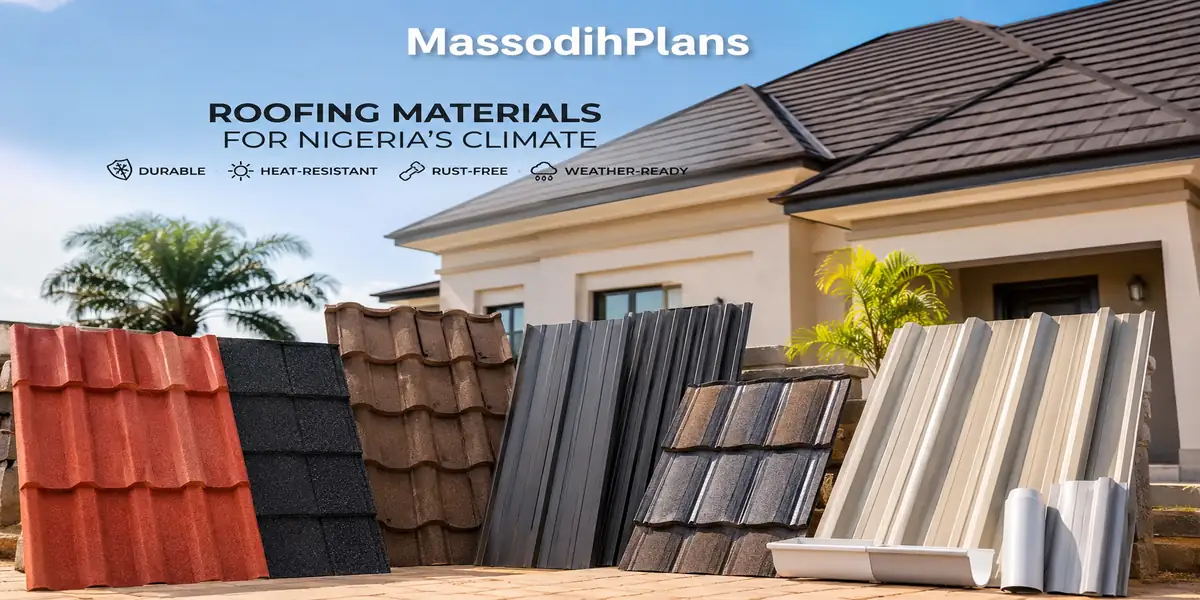
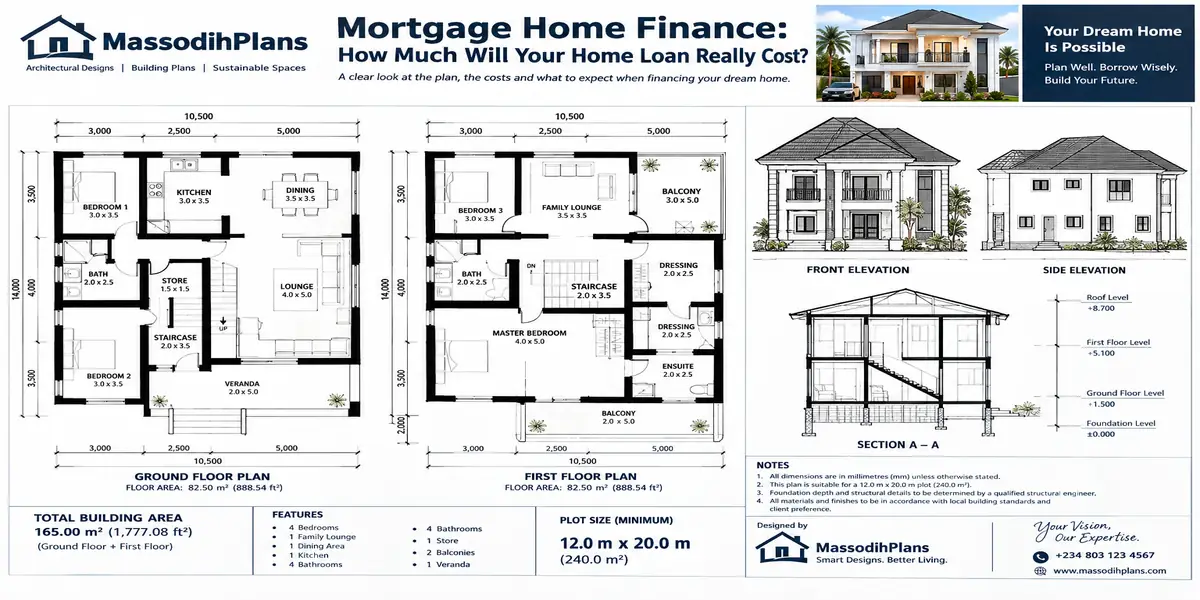
A steep-pitch hip roof design with generous overhang, suited to Nigeria’s humid coastal climate zones with heavy seasonal rainfall
If you are choosing roofing materials for a house in Nigeria while living abroad, here is the direct answer: your decision should start with your specific climate zone, not with whichever roofing sheet looks nicest in a photo. A roof that performs well in the drier north of Nigeria can underperform badly in the humid coastal south, and choosing correctly from a distance requires knowing your zone’s rainfall pattern, humidity level, and heat exposure before you ever discuss gauge or brand with a contractor.
I trained at the University of Uyo, with over 15 years working across Akwa Ibom and Rivers States, two of Nigeria’s most humid, rain-heavy regions. I have guided many overseas clients through exactly this decision, and I have also seen what happens when roofing choices are made without proper climate consideration. Just read this this article line by line I will take you through it properly.
Why Climate Zone Should Drive Your Roofing Decision
In my professional experience, most homeowners choose roofing based on appearance or what a contractor recommends, without asking whether that material genuinely suits their specific region. This is one of the most common misconceptions I encounter: assuming “roofing sheet” is a one-size-fits-all decision across Nigeria. The reality on the ground is often different. Nigeria’s climate varies significantly by region, coastal areas like Lagos, Calabar, and Port Harcourt experience consistently high humidity, especially during the rainy season, while northern regions face a drier, hotter climate with much lower humidity for most of the year.
Quick Truth Box:
The Nigerian Meteorological Agency’s 2026 Seasonal Climate Prediction warns of variable rainfall patterns, prolonged dry spells in some regions, and generally warmer temperatures across the country this year. This kind of shifting climate pattern makes it even more important to choose roofing materials based on your specific zone’s realistic conditions, not outdated assumptions.
Understanding Nigeria’s Climate Zones Before You Choose
During my undergraduate studies in Town Planning, one thing our lecturers constantly emphasized was that architectural decisions must respond to the specific climate of the site, not a generalized idea of “Nigerian weather.” Here is a simplified breakdown that overseas clients find genuinely useful:
Region, Climate Character, Roofing Priority
- Coastal South (Lagos, Port Harcourt, Uyo, Calabar): Very humid, heavy rainfall, salt air exposure. Strong corrosion resistance, steep pitch, robust gutters
- Central Nigeria (Abuja, Jos, Benue): Moderate humidity, more temperate, occasional heavy rain. Balanced durability and heat reflection
- Northern Nigeria (Kano, Kaduna, Sokoto): Very hot, dry for most of the year, lower humidity. Heat reflection and insulation prioritized over corrosion resistance
I have worked with clients who specified the same roofing material their cousin used in Abuja, without realizing their own property in Port Harcourt faced far higher humidity and rainfall intensity. The material performed noticeably worse within a few years. Confirm your specific zone before finalizing any roofing decision.
A Realistic Roof Design for Coastal, High-Rainfall Zones
Since many overseas clients build in coastal cities, here is a roof design I commonly recommend for Nigeria’s wettest regions, on a 3-bedroom bungalow on a standard 50ft by 100ft plot.
Roof Element Coastal/High-Rainfall Recommendation
Roof Pitch: 30 – 35 degrees, steeper to shed heavy rain quickly
Overhang: Minimum 600-750mm, protecting walls from wind-driven rain
Gutters: Oversized, properly sloped, with reinforced downpipes
You can review house designs already matched to specific climate conditions in our Plans Library
Matching Roofing Materials to Climate Zone
For Humid Coastal Zones
Aluminium roofing sheets: naturally corrosion-resistant, an important advantage in salt-air, high-humidity environments.
Stone coated sheets: perform well against heavy rainfall while offering a premium finish, though verify the steel core has proper protective coating for coastal humidity.
Avoid uncoated galvanized sheets, which corrode faster in salt-air coastal environments without regular maintenance.
For Hot, Drier Northern Zones
Reflective aluminium sheets: help bounce back intense solar heat, reducing indoor temperatures.
Proper ceiling insulation: becomes even more critical here than gutter capacity, given the lower rainfall but higher heat load.
Lighter gauge options can sometimes be appropriate given lower rainfall intensity, though wind exposure should still be assessed.
For Central, More Temperate Zones
A balanced approach works well here, standard aluminium or stone coated options in moderate gauge, without the extreme corrosion or heat-reflection priorities of the coastal or northern zones.
The Remote Verification Problem (And How to Solve It)
Having seen the consequences of poor supervision, I want to be direct about a specific diaspora challenge: verifying that the roofing gauge and material actually delivered on-site matches what you paid for. This is something I have encountered many times, clients pay for a specific gauge, but a thinner, cheaper alternative gets installed, and the difference is nearly impossible to detect from a photograph.
Diaspora Verification Tip:
Request that your independent supervising consultant physically measure sheet thickness with a caliper tool on delivery, before installation begins, and send you photographic proof of the measurement alongside the invoice. This single step closes the most common gap in remote roofing verification.
Cost Estimate: Climate-Appropriate Roofing by Zone
Based on projects I have worked on, here is a realistic cost comparison for roofing a standard 150 square meter roof area, adjusted for climate-appropriate specifications:
Recommended Spec Estimated Cost (₦)
Coastal/High-Rainfall: Aluminium 0.50-0.55mm + reinforced gutters 1,050,000 – 1,650,000
Central/Temperate: Aluminium 0.45-0.50mm, standard gutters 850,000 – 1,250,000
Northern/Hot-Dry: Reflective aluminium 0.45mm + ceiling insulation upgrade 900,000 – 1,350,000
I did not learn this from a textbook alone. Roofing material prices in Nigeria fluctuate meaningfully due to naira depreciation and global aluminium coil costs, so always request a written quote valid for a specific period rather than relying on a figure from months earlier.
Nigerian Reality Layer: Climate-Specific Practical Considerations
Unstable Material Prices
Regardless of zone, budget a contingency of at least 10-15% for roofing materials, since prices can shift meaningfully between planning and actual purchase.
Flooding and Drainage
In coastal, high-rainfall zones especially, ensure your roof drainage design connects properly to ground-level drainage that has been assessed for the site’s natural water flow, not just an attractive gutter system with nowhere effective to send the water.
Heat Management
In northern zones, pairing reflective roofing with proper ceiling height and insulation matters more than roofing material choice alone. From what I have seen in practice, clients who invest only in roofing material while ignoring ceiling insulation are often disappointed with indoor heat levels regardless of how premium the roof looks.
Compound Security and Generator Space
These considerations apply regardless of climate zone: ensure generator space is positioned away from bedroom windows, and gatehouse positioning offers a clear sightline to the entrance, in your overall building plan.
Small Plot Optimization: Climate-Smart Roofing on Compact Homes
If I were advising a client today with a smaller plot in a high-rainfall zone, I would recommend:
- Prioritizing a steeper roof pitch over roof complexity, since simple, steep hip roofs shed water more effectively than elaborate multi-level designs on compact structures.
- Investing in slightly better gauge aluminium over decorative roofing profiles, since durability matters more than appearance on a modest first home.
- Ensuring gutters are sized appropriately for the roof area, even on a smaller structure, since undersized gutters overflow regardless of building size.
Human Lifestyle Layer: Roofing Choices That Affect Daily Life
Based on projects I have worked on, climate-appropriate roofing affects real family comfort:
Children’s comfort: proper heat management in bedrooms directly beneath the roof matters most in hot northern zones.
Balcony usefulness: adequate overhang keeps balconies usable during Nigeria’s frequent rain showers, particularly valuable in coastal zones.
Elderly comfort: excessive indoor heat affects elderly family members disproportionately, making insulation and reflective roofing genuinely important, not just a technical detail.
Construction Experience Layer: Where Climate-Roofing Mismatches Happen
During my internship, I observed that climate-inappropriate roofing choices often trace back to a single root cause: contractors defaulting to whatever material they typically use, regardless of the specific site’s climate demands. Common mistakes include:
- Installing standard galvanized sheets in coastal zones without proper corrosion protection, leading to premature rust
- Ignoring ceiling insulation in hot northern builds, relying on roofing material alone to manage heat
- Undersized gutters that cannot handle actual regional rainfall intensity
- Substituting a lower gauge than specified, a difference nearly impossible to detect without physical verification
Expert Note:
Always specify your roofing material with your exact regional climate in mind, and confirm your contractor understands why. A contractor experienced in drier northern construction may not automatically apply coastal-appropriate specifications without being explicitly told. Our design and remote supervision services can help you specify and verify the right roofing choice for your exact location.
Investment Layer: Why Climate-Appropriate Roofing Protects Value
Many people assume any roofing sheet performs similarly regardless of location, but experience has taught me otherwise. Climate-matched roofing decisions directly protect long-term property value:
- Resale potential: premature roof deterioration due to climate mismatch is a red flag serious buyers notice during inspection.
- Rental profitability: tenants in humid coastal cities specifically ask about roof condition given how quickly poor material choices deteriorate there.
- Long-term practicality: avoiding early roof replacement, driven by an initial wrong material choice, protects your overall return on a project you cannot easily oversee day-to-day.
Frequently Asked Questions
Does roofing material really need to differ by region in Nigeria?
Yes. Coastal, humid regions demand stronger corrosion resistance and steeper roof pitch, while hotter, drier northern regions prioritize heat reflection and insulation. A one-size-fits-all approach often underperforms.
How can I verify roofing gauge quality without being physically present?
Instruct your independent supervising consultant to measure sheet thickness with a caliper tool upon delivery and provide photographic proof alongside your invoice before installation begins.
Is aluminium roofing suitable for all Nigerian climate zones?
Generally yes, aluminium performs well across most zones due to its corrosion resistance and light weight, though gauge and additional measures like insulation should still be adjusted for your specific region.
What roofing mistake do overseas homeowners make most often?
Choosing a roofing material based on what a relative or friend used in a different Nigerian city, without confirming whether that choice suits their own specific climate zone.
Should I budget extra for roofing given Nigeria’s changing climate patterns?
Yes. With variable rainfall patterns and warmer temperatures forecast for 2026, building in a materials contingency of at least 10-15% is a reasonable, practical safeguard.
Final Word From Me to You
Choosing roofing materials from abroad does not have to be a guessing game. What has worked consistently for my clients over 15 years is simple: confirm your exact climate zone first, match your material and roof design to that zone’s real conditions, and put a physical verification step in place rather than relying on photos alone.
Take the next step by exploring house designs already matched to regional climate considerations in our house plans library, or visit our Plan School to understand roof and climate design principles in more depth. If you need direct guidance choosing and verifying the right roofing solution for your specific location, our services page outlines how we support Nigerians abroad through this exact process. You can also start from our homepage to see everything we offer.
Your roof will face Nigeria’s climate every single day, whether you are there to see it or not. Choose it with your actual region in mind, and reach out before the wrong material choice becomes a leaking, costly lesson years down the line.
Related Articles to Guide you the more:
- Cheap Nigerian House Plans That Still Look Modern
- Best 2 Bedroom House Plans for Small Plots
- Land Use Act and Building Development in Nigeria: What Every Landowner Should Know
- Step-by-Step Guide to Preparing an Estate Layout Plan in Nigeria
- How Many Blocks Are Needed to Build a 3-Bedroom House? Complete Block Calculator & Quantity Guide
- Landscape Design Cost Calculator for Residential Projects: Estimate Your Landscaping Budget Accurately
- Estate Layout Planning Standards in Nigeria: Roads, Drainage, Open Spaces and Plot Sizes
- How to Verify Land Ownership Using GIS and Survey Records
- How to Invest in Nigerian Real Estate from Abroad: Complete Guide for Diaspora Investors
- Building Regulations Every Nigerian Property Developer Must Know
- GIS Applications in Urban Planning: Real-World Examples That Work
- How to Read a Survey Plan in Nigeria Without Hiring an Expert
- Why Building Plans Get Rejected in Nigeria and How to Get Approval Fast
- National Building Code of Nigeria Explained for Beginners
- Step-by-Step Tutorial for Drawing a Bungalow Plan
- Step-by-Step Tutorial for Drawing a Bungalow Plan
- Luxury 5 Bedroom Duplex Plan With Penthouse in Nigeria
- What Makes a Good Estate Layout Plan? A Practical Guide for Nigeria and Beyond
- Architectural Engineering and Architectural Design Courses for House Building Plans
- Cost of Master Plan Preparation for Communities and Institutions
- Master Plan Preparation Process Explained Step by Step
- Cost of Building a House in Uyo: Honest Budget Guide for Property Owners
- Housing Estate Layout Plan: Why Every Estate Needs One in Nigeria and Beyond
- 2 Bedroom Flat Plan for Narrow Plots in Nigeria: Complete Layout, Dimensions, and Building Guide
- Commercial Development Planning Costs: What Every Investor Must Know Before Spending a Kobo
- Why District Planning Is Important for Urban Development
- Site Development Plan Cost: What Every Property Owner Must Know Before Building
- Environmental Management Plan Cost Guide for Developers in Nigeria and Beyond
- Survey Plan Cost in Nigeria: Fees, Process and Hidden Expenses
- Layout Plan Cost in Nigeria and Abroad: What Every Landowner Must Budget Before Building
- Smart Ways to Reduce Building Costs in Nigeria Without Reducing Quality
- Cost of Blocks, Cement, Iron Rod and Roofing Sheets in Uyo: Real Prices From the Field Now
- Estate Development Cost Breakdown: What Developers Should Budget For
- Estate Layout Design Services for Property Developers in Nigeria
- What Is a Master Plan and Why Does Every Growing Community Need One?
- How to Design an Estate Layout Plan That Works in Nigeria and Abroad
- How Much Does It Cost to Develop an Estate in Nigeria? A Town Planner’s Honest Breakdown
- Why Local Development Plans Matter for Communities
- Modern 3 Bedroom Bungalow Plan for Small Nigerian Families
- What Is a Structure Plan and Why Does It Matter for Nigerian Towns?
- What Is a Survey Plan and Why Do Property Owners in Nigeria Need One?
- 10 Problems Border Communities Face Without Proper Planning
- What Happens When a City Develops Without a Master Plan
- How to Build Cities That People Actually Want to Live In: The 2050 Urban Growth Blueprint
- Modern Small House Designs That Feel Surprisingly Spacious
- Building Approval in Nigeria: Costs, Requirements, Process and How to Get Your House Plan Approved Fast
- Full Cost Breakdown for Building a Duplex on a Small Plot in Kano Nigeria
- Cost of Roofing a House in Uyo: Current Prices Explained
- 7 Small Plot Design Mistakes Nigerians Make (And How to Fix Them)
- Modern Duplex House Plan for 50×100 Plot in Lagos
- Bungalow vs Duplex: Which is Better to build in Nigeria Today?
- Cost of Building a 4 Bedroom Duplex in Lagos (Complete Guide)
- Best Roofing Sheets for Nigerian Weather: Complete Guide