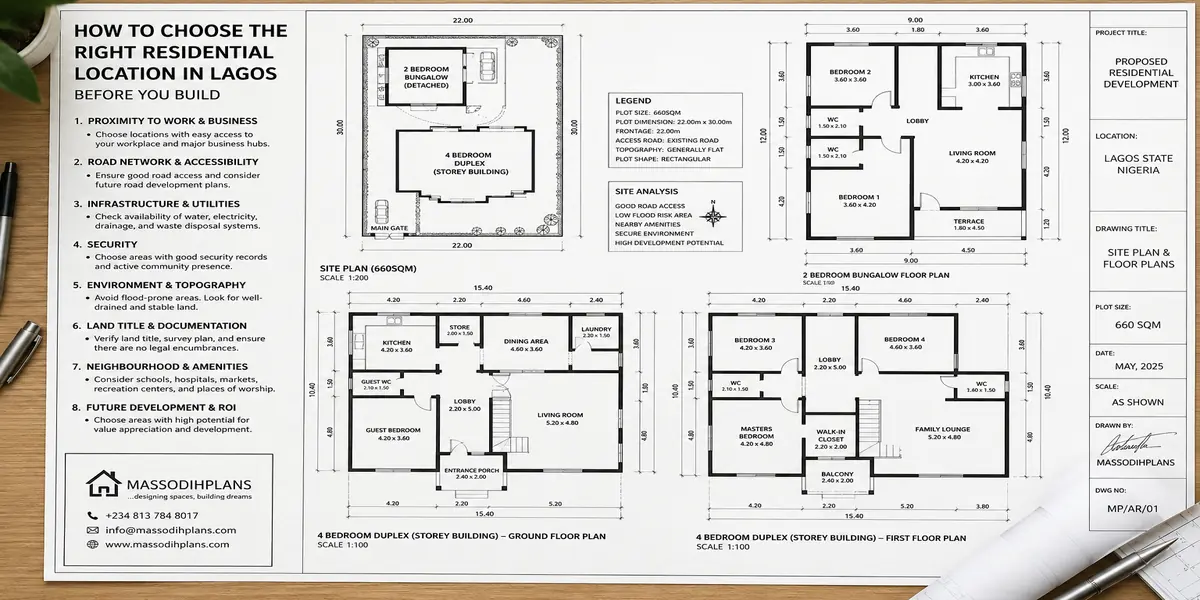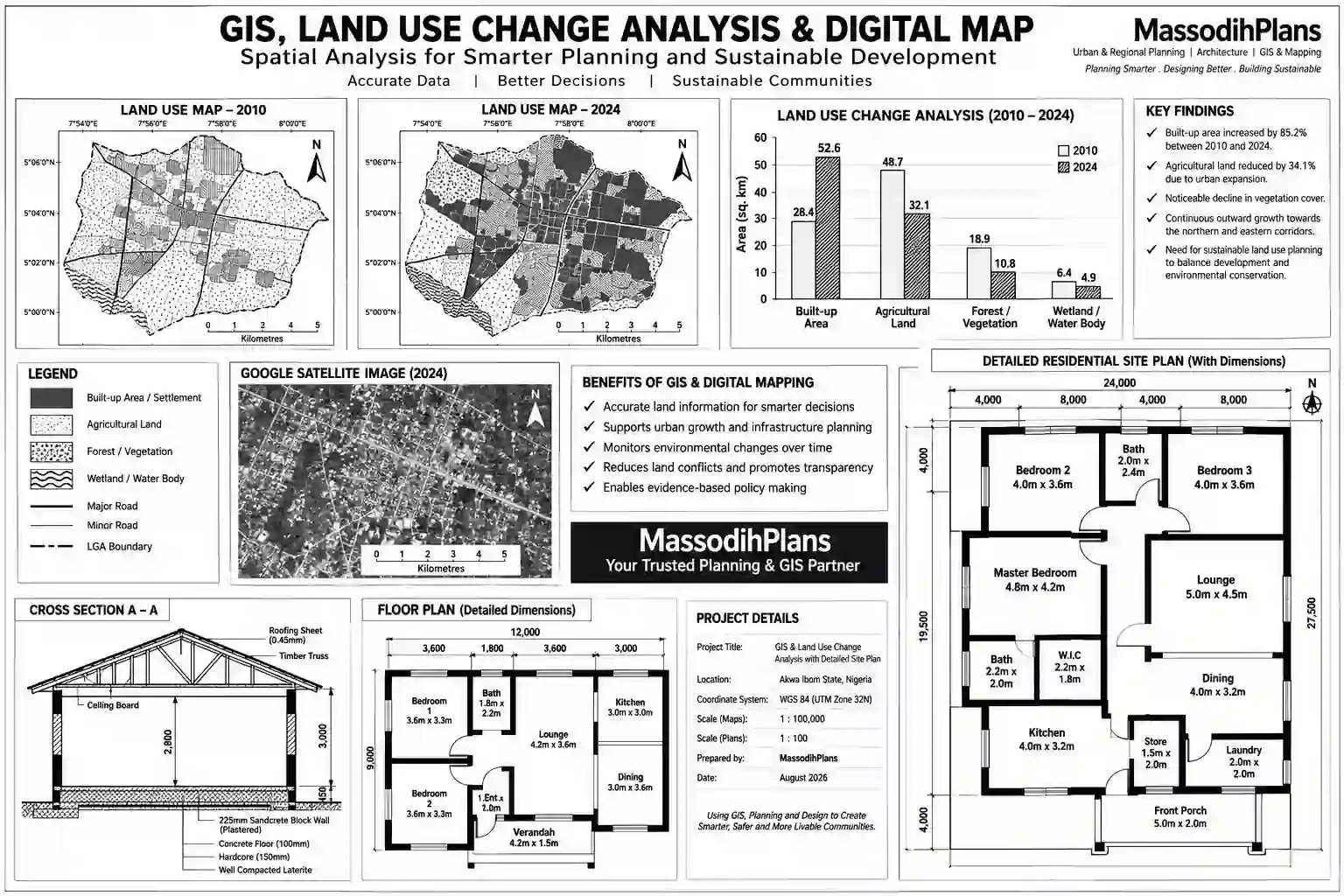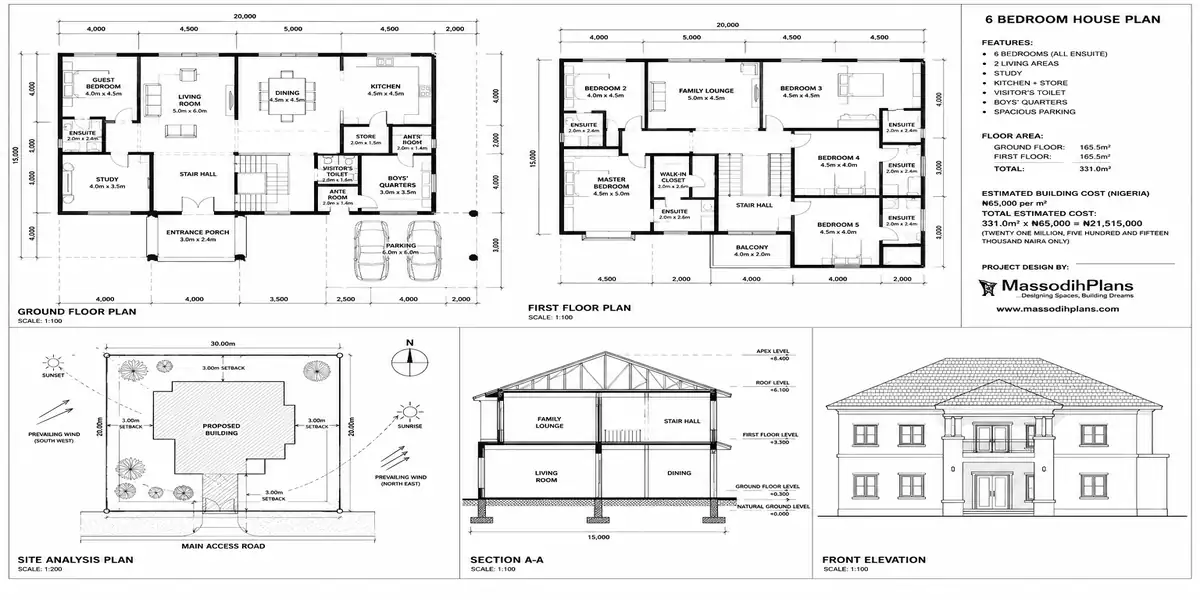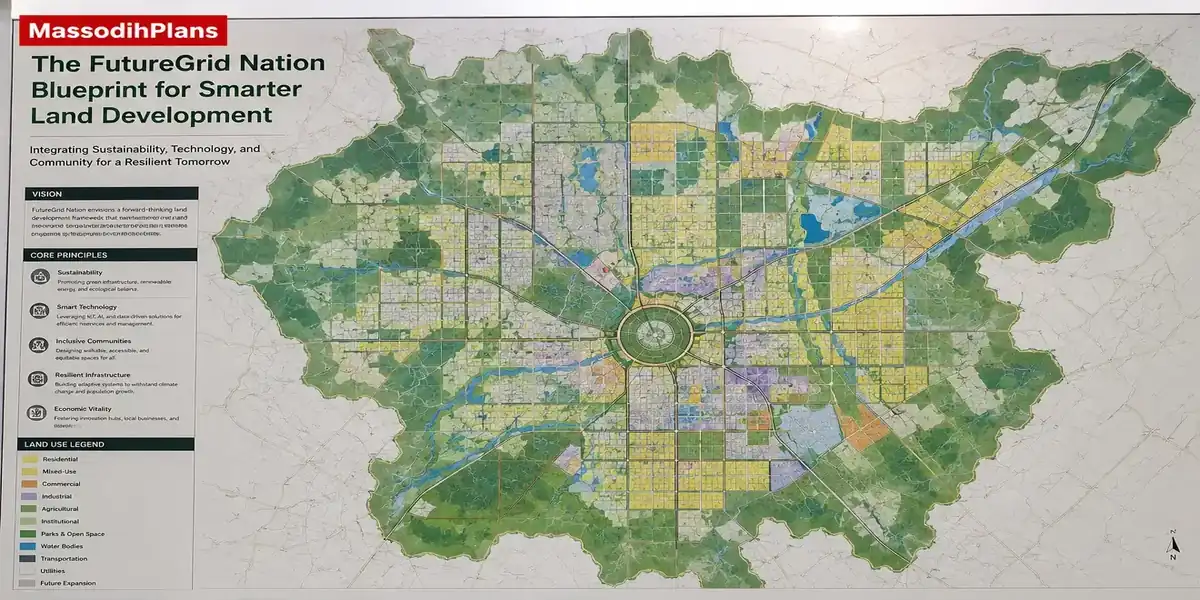
house building cost
If you are asking, “How much does it cost to build a house in Nigeria?”, you probably do not want a vague answer. You want to know what your money can build, where the money goes, and how to avoid starting a project that you cannot finish.
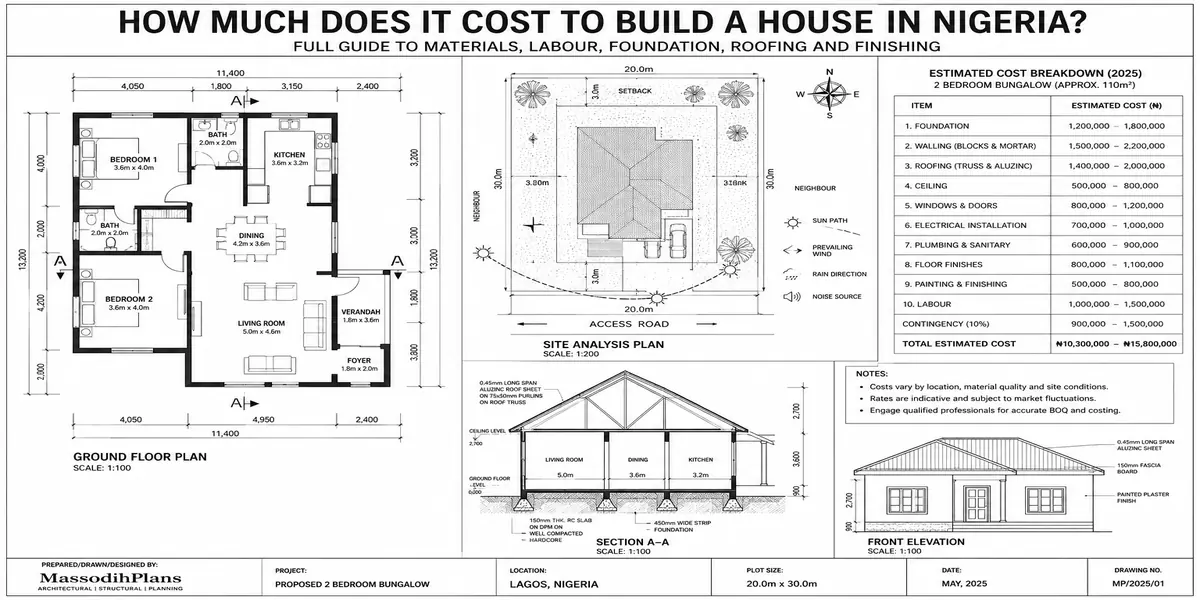
In 2026, there is no single price for building a house in Nigeria. Estimates vary widely because location, floor area, soil conditions, design complexity, material quality, labour, exchange-rate pressure and finishing choices can move the budget significantly. Recent estimates put a standard 3-bedroom bungalow anywhere from ₦25 million to ₦70 million or more, depending on specification and location. The range becomes easier to understand when the project is priced stage-by-stage.
That is exactly what this guide does.
I will take you from the site and foundation to blockwork, reinforcement, roofing, ceilings, doors and windows, electrical and plumbing installations, tiling, painting and final finishing. You will also see how materials and labour affect each stage, why two builders can give different quotations for the same house, and which decisions can quietly add millions of naira to your budget. Roofing alone, for example, can vary with sheet type, roof design, location and labour.
Importantly, I will show you how to think about your building budget before you buy the bag of cement: cost per square metre, construction stage, finish level, contingency, professional fees, site conditions and hidden costs.
Whether you are planning a bungalow, duplex, home or property, use this guide as your budgeting roadmap not as a fixed quotation. Market prices change, so your budget should be checked against supplier rates and a measured BOQ before construction begins carefully with care and discipline.
Why Building Cost Estimates in Nigeria Vary So Widely
Before any numbers, it’s worth understanding the five variables that create the confusing spread of figures you’ll see online. Once you know these, you can mentally adjust any quoted figure to your actual situation.
1. Location within Nigeria. Labour and, to a lesser extent, material costs differ meaningfully between Lagos/Abuja and secondary cities like Enugu, Kano, or Uyo often by 20-40%.
2. Finish level. The difference between locally sourced tiles and standard paint versus imported finishes and premium sanitary ware can double the total cost of an otherwise identical structure.
3. Foundation and soil condition. A standard strip foundation on firm ground and a raft or pile foundation on waterlogged or sandy soil can differ by millions of naira before a single block is laid.
4. Build type and floor area. “A house” could mean a 100 sqm 2-bedroom bungalow or a 350 sqm 5-bedroom duplex — comparing their total costs directly is meaningless without normalizing for size.
5. Timing. Cement, steel, and roofing material prices move with inflation and exchange rates. A figure that was accurate eight months ago may already be stale.
Whenever you see a building cost figure anywhere including in this article check it against these five variables before applying it to your own project. A number without a stated location, finish level, and floor area isn’t really a usable estimate; it’s a headline.
National Cost Per Square Metre: The Three Finish Tiers
The most reliable way to estimate any building’s cost in Nigeria is per square metre, multiplied by your actual floor area. Based on current 2026 market data across multiple regions, here are realistic national ranges:
Economy/basic finish: ₦100,000 – ₦180,000 per sqm local blocks, standard roofing sheets, local tiles, louvre or basic aluminium windows, standard paint
Standard/mid-range finish: ₦180,000 – ₦320,000 per sqm better block/plaster finish, quality aluminium roofing or entry-level stone-coated tiles, mid-range floor tiles, quality sanitary fittings, POP ceiling
High-end/luxury finish: ₦350,000 – ₦600,000+ per sqm imported finishes, premium roofing (stone-coated tiles or higher-grade aluminium), large-format porcelain tiles, smart home wiring, higher-spec doors and windows
For a 200 sqm house a realistic size for a standard 3-4 bedroom home this translates to roughly ₦20 million to ₦36 million at standard finish, before land, professional fees, and approvals.
Per-square-metre rates already assume a reasonably straightforward rectangular design on normal soil. Complex architectural features (large cantilevers, extensive glazing, curved walls) or difficult soil conditions can push actual cost 15-30% above the standard range for your chosen finish tier always ask your quantity surveyor whether your specific design falls inside or outside the “standard” assumption.
Regional Cost Variance Across Nigeria
Because location is one of the biggest swing factors, here’s how the same standard-finish 200 sqm house tends to compare across regions, based on current labour and logistics differences:
| Region | Relative Cost Index | Notes |
|---|---|---|
| Lagos | Highest baseline | Land dominates total cost; labour and logistics also highest |
| Abuja (FCT) | 5-15% below Lagos | Similar labour rates to Lagos; land cost varies hugely by district |
| Port Harcourt / Rivers | 10-20% below Lagos | Soil condition in low-lying areas can add foundation cost |
| South-South (Uyo, Calabar, Warri) | 20-30% below Lagos | Lower land and labour cost; import-dependent finishes still similar in price |
| South-East (Enugu, Owerri, Aba) | 20-30% below Lagos | Strong local artisan availability keeps labour competitive |
| North (Kano, Kaduna, Abuja outskirts) | 25-35% below Lagos | Generally lowest labour cost; material transport can offset some savings |
These are directional, not exact always get a current local quote but they explain why a “cost of building a house in Nigeria” figure quoted for Lagos can look wildly different from the same build in a secondary city.
Materials Cost Breakdown
Materials typically account for 60-70% of total construction cost, with labour making up the remainder. Here’s what’s driving the materials side in 2026.
Cement
A 50kg bag of cement currently ranges from roughly ₦8,500 to ₦12,500 depending on brand, location, and season. A standard 200 sqm house typically consumes 400-700 bags across foundation, block work, plastering, and screeding, meaning cement alone can represent ₦4 million to ₦8.5 million of the budget.
Blocks
Whether you buy pre-made sandcrete blocks or mould on-site, block cost depends heavily on cement price (above) and local sand/labour cost. Block work for a 200 sqm two-storey structure typically runs ₦3.5 million to ₦7 million including labour.
Iron Rods / Reinforcement
Steel reinforcement for columns, beams, and slabs is one of the more exchange-rate-sensitive materials. Budget ₦4 million to ₦9 million for a standard 200 sqm two-storey structure, more if soil conditions demand a heavier structural design.
Roofing Materials
Roofing materials range from ₦4,500 to ₦18,000 per square metre depending on the sheet type standard aluminium long-span sits at the lower end, while stone-coated tiles and premium aluminium profiles sit toward the top. For an average roof area, this typically translates to ₦2 million to ₦8 million in materials alone, before labour.
Doors, Windows, and Glazing
Aluminium sliding windows and doors typically cost ₦25,000 to ₦60,000 per square metre of opening, depending on profile quality and glass specification. A standard house might carry ₦4 million to ₦9 million across all openings.
Tiles and Flooring
Locally sourced ceramic tiles start around ₦2,500-₦4,500 per square metre, while imported porcelain can run ₦8,000-₦20,000+ per square metre. Flooring for a standard 200 sqm home typically costs ₦4 million to ₦10 million including installation.
Paint, Electrical Fittings, and Sanitary Ware
These finishing-stage materials are where budgets swing most between basic and luxury tiers combined, they typically range from ₦4 million at basic finish to ₦15 million or more at high-end finish for a standard-sized home.
Lock in your cement, iron rod, and roofing material quantities and prices as early as possible once your structural drawings are ready these three materials are the most exposed to price movement over a multi-month build, and buying in phases as prices rise is a common, avoidable source of budget overrun.
Labour Cost Breakdown by Trade
Labour typically represents 25-35% of total building cost in Nigeria, and it’s charged either as a lump sum per stage or a daily/piece rate per trade. Realistic 2026 benchmarks per square metre of construction, labour only:
| Trade | Cost Range (per sqm, labour only) |
|---|---|
| Block laying (masonry) | ₦3,000 – ₦7,000 |
| Carpentry (roof structure, formwork) | ₦2,500 – ₦6,000 |
| Roofing installation | ₦1,500 – ₦3,500 |
| Tiling | ₦2,500 – ₦6,000 |
| Electrical installation | ₦2,000 – ₦5,000 |
| Plumbing installation | ₦2,000 – ₦5,000 |
| Painting | ₦800 – ₦2,000 |
Beyond per-sqm trade rates, a site foreman or supervisor typically commands ₦150,000 to ₦400,000 per month, and rates in Lagos and Abuja run 20-40% higher than in secondary cities for equivalent skill levels.
Rushing a project to meet a deadline almost always means paying overtime or weekend premium rates across every trade this is one of the most common, entirely avoidable ways a construction budget grows beyond its original estimate.
Cost by Construction Stage
Beyond materials and labour separately, it helps to see how cost distributes across the actual build sequence, since this determines how you should release funds if you’re building in phases (which most Nigerians do).
Pre-Construction (Design, Soil Test, Survey, Approval)
Typically 3-6% of total project cost architectural and structural drawings, soil test, survey documentation, and building plan approval fees.
Substructure (Foundation)
Typically 12-18% of total cost excavation, foundation work, and damp-proofing. This is where soil condition creates the biggest variance: a standard strip foundation sits at the low end, while a raft or pile foundation for poor soil can push this stage significantly higher.
Superstructure (Block Work and Concrete Frame)
Typically 25-30% of total cost walls, columns, beams, and slabs. This is usually the single largest stage in the entire build.
Roofing
Typically 10-14% of total cost roof structure, covering materials, and ceiling.
Doors, Windows, and Rough-In Services
Typically 12-16% of total cost openings, electrical wiring, and plumbing pipework before finishing begins.
Finishing
Typically 22-30% of total cost plastering, tiling, painting, fittings, and fixtures. This stage has the widest cost range of any stage, because it’s almost entirely determined by finish-tier choice.
External Works
Typically 5-8% of total cost fencing, gate, compound paving, and landscaping. Frequently underbudgeted because it’s left out of early estimates entirely.
Structure your funding release around these stages, not around a monthly budget. A building is weatherproof and safe to pause at once roofing is complete pausing mid-foundation or mid-block-work carries far more risk of deterioration and cost escalation when you resume.
Professional Fees and Approval Costs
These sit outside the construction cost itself but are not optional if you want a legally sound, structurally safe building.
Architectural design: typically 5-10% of construction cost, or a fixed fee of ₦500,000-₦2,500,000 depending on complexity
Structural engineering: typically 1.5-3% of construction cost
Quantity surveying (Bill of Quantities): typically 1-2.5% of construction cost
Building plan approval: varies significantly by state and plot size, typically ₦800,000-₦5,000,000+, with Lagos and Abuja at the higher end
Site supervision (if separate from the architect): ₦150,000-₦400,000 per month
Skipping professional fees to save money upfront is one of the most expensive false economies in Nigerian construction the cost of correcting a structural or approval problem after the fact almost always exceeds what the fees would have cost.
Red Flags to Watch for in a Contractor’s Quote
A single lump-sum figure with no stage or trade breakdown you cannot verify what you’re paying for, and you cannot track whether the project is actually on budget as it progresses
A quote significantly below every other quote you’ve received usually means substandard materials, undocumented labour, or corners that will surface as defects later
No named brand or specification for cement, roofing sheets, or reinforcement size this is how a contractor quotes premium pricing and delivers cheaper materials; always request the specific brand and ask to see purchase receipts
No mention of soil test results in the foundation costing foundation cost should be tied to your actual soil condition, not a generic assumption
Verbal-only agreements with no Bill of Quantities always insist on a written, itemized BoQ before releasing funds for any stage
How to Reduce Building Cost in Nigeria Without Cutting Corners
Get a proper Bill of Quantities before construction starts, not a verbal estimate this alone prevents most cost overruns.
Buy cement, iron rods, and roofing materials in bulk during price dips, since these three materials are the most exposed to inflation over a multi-month build.
Choose a compact, rectangular design over one with cantilevers, curves, or extensive glazing architectural complexity adds cost without adding usable space.
Use a fixed-price or itemized-stage contract rather than open-ended “cost-plus” arrangements that can grow without oversight.
Avoid design changes after block work has started this is one of the most common and expensive causes of budget overruns.
Build in phases matched to actual funding, pausing at safe stage boundaries (post-roofing is ideal) rather than running out of money mid-structure.
Common Mistakes That Inflate Nigerian Building Costs
- Skipping the soil test and discovering mid-construction that a more expensive foundation type is needed
- Starting construction before building plan approval is secured, risking stop-work orders and fines
- Underestimating external works fencing, paving, drainage which are frequently left out of the initial budget entirely
- Choosing the lowest quote without verifying the contractor’s track record, leading to rework costs later
- Not adjusting the budget for inflation between the planning stage and the actual purchase of materials months later
Frequently Asked Questions
What is the average cost of building a house in Nigeria in 2026?
For a standard-finish 200 sqm home, expect roughly ₦20 million to ₦36 million in construction cost alone, before land, professional fees, and approvals though this varies significantly by region and finish level, as detailed above.
Is it cheaper to build in phases or all at once in Nigeria?
Phased building is more common and financially safer for most people, since it avoids taking on debt, but it can expose the project to rising material prices between phases. Building all at once with secured funding is generally cheaper overall if the funding is genuinely available upfront.
What percentage of my building budget should go to labour versus materials?
Materials typically account for 60-70% of total cost, with labour making up the remaining 25-35%, though this shifts somewhat with finish level and project complexity.
How much does foundation type affect overall building cost in Nigeria?
Significantly. A standard strip foundation on firm soil might cost ₦4-7 million for a mid-sized home, while a raft or pile foundation for waterlogged or sandy soil can push foundation costs to ₦10 million or more.
Is building cost per square metre the most reliable way to estimate a project?
Yes, it’s the most reliable starting point, but it must be paired with your actual floor area, chosen finish tier, region, and soil condition a per-sqm rate alone, without those details, is not a usable estimate.
Conclusion
There is no single honest answer to “how much does it cost to build a house in Nigeria” there’s only an honest way to arrive at your own answer, which is exactly what the breakdown above is built to give you: real per-sqm ranges by finish tier, real regional variance, real material and labour figures by category, and the stage-by-stage distribution that lets you plan and fund your build responsibly. If you’re building in Lagos specifically, our dedicated [cost of building a 4 bedroom duplex in Lagos] guide goes deeper into Lagos land pricing and a full stage-by-stage cost table for that market.
Browse our Plans Library for building plans with realistic floor areas you can cost against the figures above, or visit Plan School to understand the design and approval process before you get quotes. For direct support with your specific project from design through to a proper Bill of Quantities our Services page outlines how we can help. You can also explore more cost and building guides on our Homepage.
Author
Massodih Okon is a Nigerian built-environment professional with academic and professional experience in urban and regional planning, geography, architectural design, Landscape Design, GIS and land development.
He holds a Master’s degree in Urban and Regional Planning from the University of Uyo and a first degree in Geography and Regional Planning.
Through MassodihPlans, he publishes practical guides on Nigerian house plans, building design, physical planning, site planning, development approval and residential construction. Read the full author profile →
Related Articles
- Roofing Quantity Calculator: Calculate Roofing Sheets, Timber, Nails, Ridge Caps and Accessories From Your House Plan
- Labour Cost to Build a House in Nigeria: Complete Mason, Carpenter, Plumber, Electrician and Finishing Cost Guide
- How to Draw a Neighbourhood Plan (SPAR): Step-by-Step Guide to Roads, Plots, Land Use, Setbacks and Layout Design
- How to Draw a House Layout Plan: 10 Step-by-Step Guide From Plot Dimensions to Rooms, Doors, Windows and Setback
- Semi-Detached House Plans: Modern Duplex and Bungalow Designs With Shared Walls, Dimensions, Costs and Layout Ideas
- Courtyard House Plans: Beautiful 2–6 Bedroom Designs With Private Outdoor Spaces, Floor Plans and Dimensions
- Contemporary House Plans: Modern 2–6 Bedroom Designs With Open Layouts, Large Windows, Dimensions and Costs
- House Finishing Cost in Nigeria: Complete Breakdown of Tiles, Painting, Ceiling, Doors, Plumbing and Electrical Work
- Foundation Cost Calculator: Estimate House Foundation Cost From Soil Type, Dimensions, Materials and Labour
- Block Quantity Calculator: How to Calculate the Number of Blocks Needed for Any House From Your Floor Plan
- Cement Quantity Calculator for Building: Calculate Bags Needed for Foundation, Blockwork, Slab, Plastering and Screeding
- Self-Contained House Plans: 15 Efficient Designs With Room Dimensions, Floor Plans, Building Costs and Ideas
- 1 Bedroom House Plan: Affordable Self-Contained Floor Plans With Dimensions, Materials, Cost and Space-Saving Ideas
- 6 Bedroom House Plans: Modern Nigerian Floor Plans With Dimensions, Ensuite Rooms, Parking and Cost Estimates
- 60×100 Plot House Plans: Luxury 4–8 Bedroom Designs, Site Layouts, Dimensions, Setbacks and Cost Estimates
- 40×80 Plot House Plans: Spacious 4–6 Bedroom Designs With Floor Plans, Parking, Setbacks and Cost Guide
- 40×60 Plot House Plans: Best 3–6 Bedroom Layouts, Floor Plans, Dimensions and Estimated Building Cost
- 30×60 Plot House Plans: 15 Smart 2–6 Bedroom Designs, Dimensions, Setbacks and Building Costs
- Modern House Design: Architecture, Building Plans, Architectural Design and Ideas for Beautiful Homes
- Urban Design & Modern Architecture: Principles, Building Design and the Role of Architects
- How to Fast-Track Building Approval in Lagos Without Breaking the Rules: Legal Ways to Avoid Costly Delays
- Building Legally in Lagos: Complete Guide to Planning Approval, Permits, Inspections, and Construction Rules