Build a Cooler, More Comfortable Home in Sokoto’s Hot Climate
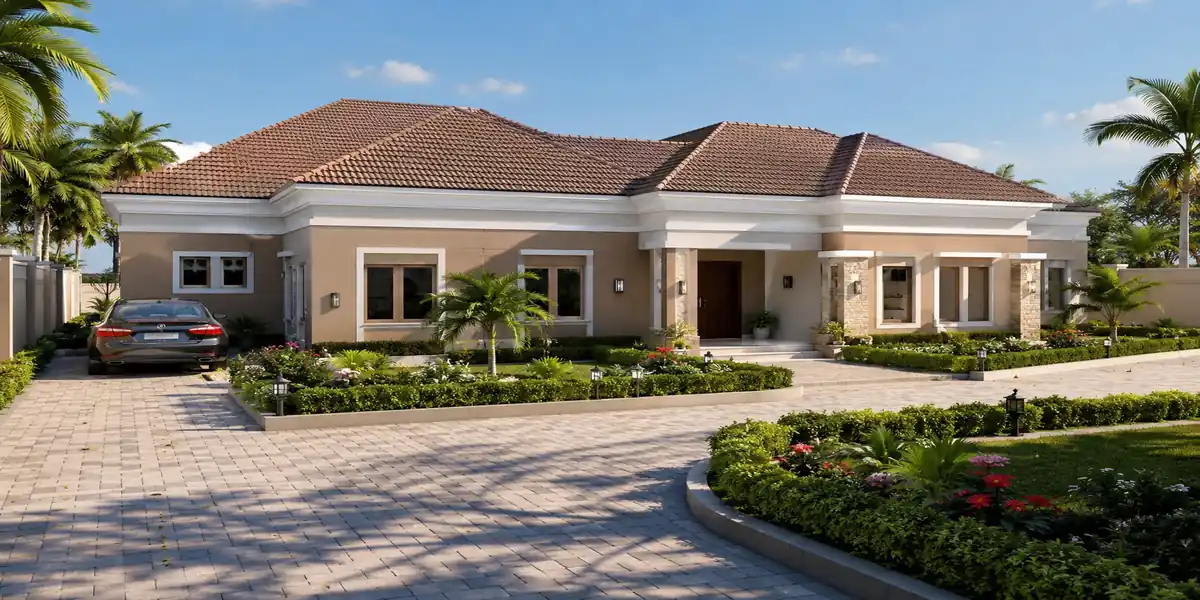
Nigerian House Plans Suitable for Hot Weather in Sokoto
The best house plan is not simply the most attractive, it is the one that responds intelligently to its environment.
When planning to build a house in Sokoto, many homeowners focus on the number of bedrooms, the exterior appearance, or the overall construction budget. While these are important considerations, one factor that is often overlooked is climate.
Sokoto is one of the hottest cities in Nigeria. During the dry season, daytime temperatures frequently exceed 40°C, and in some periods, they can rise even higher. Combined with intense sunshine, low humidity, and seasonal dusty Harmattan winds, these conditions place significant demands on residential buildings.
A house that performs well in Lagos, Uyo, or Port Harcourt may not provide the same level of comfort in Sokoto. Without proper climate-responsive design, indoor spaces can become excessively hot, forcing occupants to rely heavily on air conditioners and fans. This increases electricity costs, reduces comfort during power outages, and may shorten the lifespan of some building materials.
Fortunately, modern architectural planning offers practical solutions.
With the right house plan, proper orientation, good ventilation, suitable roofing materials, adequate insulation, and thoughtful landscaping, it is possible to build a home that remains significantly cooler, more energy-efficient, and comfortable throughout the year.
This comprehensive guide explains the best Nigerian house plans suitable for hot weather in Sokoto. Whether you are building a bungalow, duplex, retirement home, family residence, or investment property, you will learn how to select a design that responds effectively to the local climate while maintaining functionality, durability, and aesthetic appeal.
Why Climate Should Influence Your House Plan
Every successful building begins with understanding its environment. Architecture is not only about appearance; it is about creating buildings that respond to local conditions and support comfortable living. A climate-responsive house offers several important advantages:
- improved indoor comfort
- lower electricity consumption
- reduced reliance on air conditioning
- longer-lasting building materials
- better indoor air quality
- improved energy efficiency
- lower maintenance costs
- healthier living conditions
Ignoring climatic conditions during the design stage often results in houses that remain uncomfortably hot regardless of expensive cooling equipment.
Understanding Sokoto’s Climate
Sokoto is located in northwestern Nigeria within the Sudan Savannah ecological zone. The city experiences a hot semi-arid climate, characterised by long dry seasons, high temperatures, and relatively low annual rainfall compared with southern Nigeria. Some of the major climatic characteristics include:
- extremely hot afternoons during the dry season
- prolonged sunshine throughout the year
- low relative humidity for much of the year
- Harmattan winds carrying dust between November and February
- short rainy season
- high solar radiation
- significant daytime heat gain
These environmental conditions influence every aspect of residential building design.
Why Standard House Plans May Not Perform Well in Sokoto
Many house plans available online are designed without considering Nigeria’s different climatic regions. Some plans are copied from cooler climates or from southern Nigerian cities where temperatures and humidity differ considerably from those experienced in Sokoto. Such designs may include:
- insufficient window placement
- low ceiling heights
- poor building orientation
- minimal roof overhangs
- inadequate ventilation
- excessive west-facing glazing
- dark exterior finishes
- unsuitable roofing materials
These design choices can cause buildings to absorb and retain excessive heat throughout the day.
What Makes a House Suitable for Hot Weather?
A climate-responsive house is designed to minimise heat gain while encouraging natural cooling. Rather than relying solely on mechanical cooling systems, it works with the surrounding environment to improve comfort. Important design principles include:
- proper site orientation
- cross ventilation
- shaded windows
- high ceilings
- insulated roofs
- deep roof overhangs
- appropriate building materials
- strategic landscaping
- efficient room arrangement
Together, these features significantly improve indoor comfort even during the hottest months.
Benefits of Climate-Responsive House Plans
Choosing a house plan specifically designed for Sokoto’s climate provides numerous long-term benefits.
Improved Indoor Comfort
Well-designed homes remain cooler throughout the day because they reduce direct heat gain and encourage continuous airflow. Occupants experience a more comfortable indoor environment without relying entirely on mechanical cooling.
Lower Electricity Bills
Reducing dependence on air conditioners can significantly lower monthly electricity costs. Natural ventilation and passive cooling strategies reduce energy consumption while improving comfort.
Better Indoor Air Quality
Good ventilation allows fresh air to circulate throughout the building. This helps reduce:
- stale indoor air
- excessive indoor heat
- unpleasant odours
- moisture accumulation in enclosed spaces
Increased Building Durability
Properly selected materials perform better under Sokoto’s intense sunlight and high temperatures. Suitable roofing, exterior finishes, and wall systems generally require less maintenance over time.
Higher Property Value
Modern buyers increasingly appreciate homes that are energy-efficient and climate-responsive. Properties designed with environmental performance in mind often enjoy stronger long-term market appeal.
Common Housing Types Suitable for Sokoto
Several residential building types can perform well in Sokoto when properly designed. These include:
- 2-bedroom bungalows
- 3-bedroom bungalows
- 4-bedroom bungalows
- duplexes
- courtyard houses
- semi-detached houses
- detached family homes
The choice depends on:
- plot size
- family size
- budget
- future expansion plans
- lifestyle preferences
Popular Residential Areas in Sokoto
Different parts of Sokoto offer opportunities for residential development. Some notable neighbourhoods include:
- GRA Sokoto
- Arkilla
- Dambua
- Runjin Sambo
- Mabera
- Tudun Wada
- Mana
- Gagi
- Kofar Rini
- Wamakko
Each area differs in terms of accessibility, infrastructure, land values, and surrounding development. Selecting the right location should complement the chosen house design.
Common Building Mistakes in Hot Climates
Many homeowners unknowingly make design decisions that increase indoor temperatures. Some common mistakes include:
- placing large windows directly toward the west
- using dark roofing materials that absorb more heat
- constructing very low ceilings
- providing inadequate natural ventilation
- eliminating verandas and shaded outdoor spaces
- neglecting roof insulation
- paving the entire compound without landscaping
- ignoring building orientation during site planning
Avoiding these mistakes from the beginning is usually far less expensive than correcting them after construction.
Planning Before Construction
Before choosing a house plan, it is important to evaluate several factors. These include:
- plot dimensions
- direction of prevailing winds
- path of the sun
- family requirements
- future expansion
- budget
- local planning regulations
- available infrastructure
Good planning ensures that the final design is both functional and environmentally responsive.
The Role of Professional Design
A professionally prepared house plan does much more than satisfy planning approval requirements. It helps achieve:
- efficient space utilisation
- structural safety
- thermal comfort
- proper ventilation
- energy efficiency
- construction cost control
- long-term durability
Professional design should always consider the unique climatic conditions of the building site rather than relying on generic plans.
From My Experience
One of the most common misconceptions I encounter is that installing larger air conditioners is the best solution to hot weather. In reality, no air conditioner can fully compensate for a poorly designed house. Homes with improper orientation, inadequate ventilation, low ceilings, and heat-absorbing roofs often remain uncomfortable despite expensive cooling equipment. By contrast, a thoughtfully designed house that works with Sokoto’s climate can remain noticeably cooler while consuming far less electricity. The most cost-effective cooling system is often good architectural design implemented from the very beginning.
Best Nigerian House Plans for Sokoto’s Hot Climate
Not every house plan performs equally well in hot climates. A house that is comfortable in a humid coastal city may become excessively hot in Sokoto if it does not respond to the local climate. Fortunately, several architectural layouts have consistently proven effective in reducing heat gain while improving natural ventilation. The ideal house plan should balance:
- thermal comfort
- energy efficiency
- functionality
- affordability
- aesthetics
- future expansion
- ease of maintenance
Below are some of the most suitable house plans for Sokoto.
2-Bedroom Bungalow
A two-bedroom bungalow is an excellent option for:
- young families
- newly married couples
- retirees
- civil servants
- small landowners
- rental investment
Because the building occupies a relatively compact footprint, it is easier to ventilate naturally.
Recommended Features
A climate-responsive two-bedroom bungalow should include:
- wide front veranda
- high ceilings
- cross ventilation
- shaded windows
- insulated roof
- spacious living room
- well-ventilated kitchen
Proper orientation can significantly reduce indoor temperatures.
Advantages
- Lower construction cost
- Lower maintenance cost
- Excellent airflow
- Easier future expansion
- Lower cooling expenses
3-Bedroom Bungalow
The three-bedroom bungalow remains Nigeria’s most popular residential house type. When properly designed for Sokoto, it provides an excellent balance between comfort and affordability.
Recommended Layout
A typical layout should include:
- entrance porch
- spacious living room
- dining area
- visitor’s toilet
- three bedrooms
- kitchen
- pantry
- laundry
- rear veranda
The arrangement should encourage continuous airflow from one side of the building to the other.
Climate Design Features
Recommended features include:
- roof overhangs of at least 900 mm
- ceiling height of approximately 3.3–3.6 metres
- large operable windows
- ventilated roof space
- shaded outdoor seating
These features reduce heat accumulation throughout the day.
4-Bedroom Bungalow
Families requiring additional accommodation often choose four-bedroom bungalows. Despite the larger floor area, thermal comfort can still be maintained through thoughtful planning.
Design Recommendations
The building should avoid excessively long internal corridors. Instead, rooms should be arranged to encourage:
- natural airflow
- daylight penetration
- cross ventilation
Service areas should be positioned to minimise afternoon heat gain.
Advantages
- Comfortable family living
- Excellent accessibility
- Suitable for elderly occupants
- Lower maintenance than duplexes
- Flexible future modifications
Duplex House Plans
Many people assume duplexes are unsuitable for hot climates. This is not true. A well-designed duplex can perform exceptionally well in Sokoto. The key lies in architectural planning rather than the number of floors.
Climate-Responsive Duplex Features
A properly designed duplex should include:
- naturally ventilated staircase
- double-height entrance lobby
- shaded balconies
- roof insulation
- strategically positioned windows
- wide roof overhangs
Upper-floor bedrooms should receive adequate cross ventilation.
Benefits
- Efficient land utilisation
- Greater privacy
- Better separation of living spaces
- Attractive modern appearance
- Higher investment value
Courtyard House Designs
Courtyard houses have been successfully used for centuries in hot climates across northern Nigeria. They remain one of the most effective passive cooling solutions.
How Courtyards Improve Comfort
A central courtyard helps:
- improve air circulation
- create shaded outdoor space
- reduce indoor temperatures
- admit natural daylight
- encourage family interaction
Courtyards also provide secure outdoor recreational areas.
Modern Courtyard Designs
Today’s courtyard houses may include:
- landscaped gardens
- decorative paving
- water features
- shaded sitting areas
- outdoor dining spaces
These elements improve both comfort and aesthetics.
Houses with Deep Verandas
Traditional northern Nigerian architecture often incorporates generous verandas. This remains one of the simplest and most effective ways to reduce solar heat gain.
Advantages of Wide Verandas
Wide verandas:
- shade external walls
- reduce window heat gain
- create outdoor living space
- protect entrances from rain
- improve building appearance
A veranda acts as a thermal buffer between outdoor heat and indoor spaces.
Open-Plan Living Areas
Modern Nigerian homes increasingly favour open-plan layouts. For Sokoto, these layouts should still prioritise ventilation. Properly designed open spaces allow air to move more freely throughout the house.
Recommended Arrangement
The living room, dining area, and circulation spaces should be arranged to encourage uninterrupted airflow. Avoid creating enclosed spaces where hot air becomes trapped.
Best Roof Designs for Hot Weather
Roof design has one of the greatest influences on indoor temperature. A poorly designed roof absorbs enormous amounts of solar radiation.
Recommended Roof Types
Suitable options include:
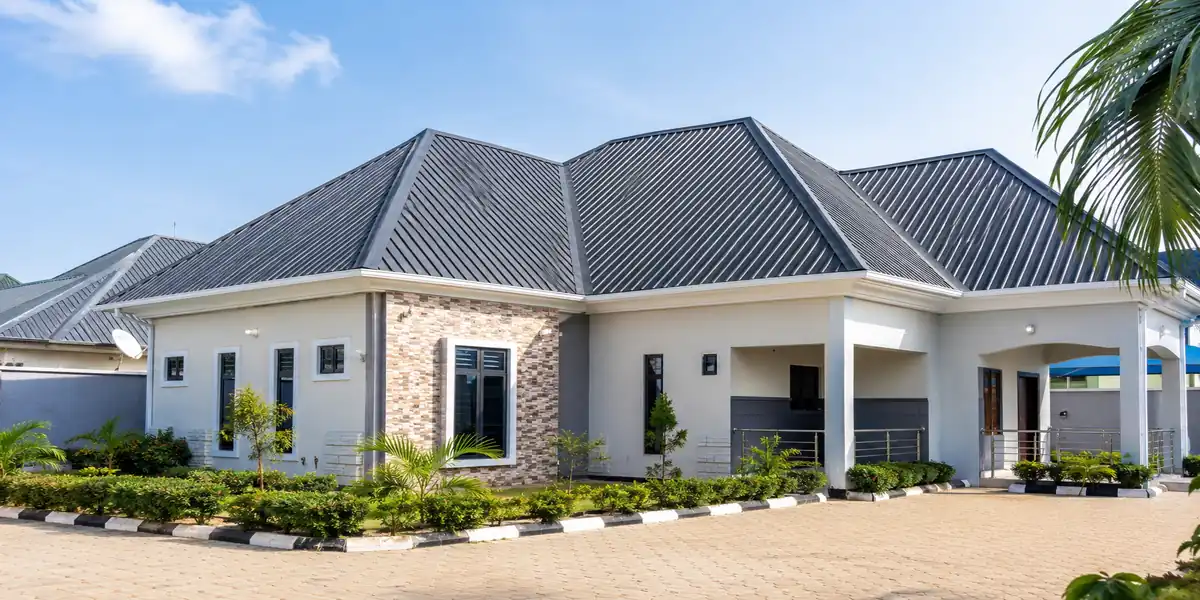
- hip roofs
- gable roofs
- combination roofs
These roof forms provide:
- effective rainwater drainage
- ventilation opportunities
- durable structural performance
Roof Pitch
Moderately pitched roofs generally perform better than extremely flat roofs. The roof space should allow hot air to escape rather than accumulate.
Roof Overhangs
Roof overhangs provide essential protection against direct sunlight. Recommended overhangs typically range from: 900 mm to 1,200 mm depending on the building design. Benefits include:
- shaded walls
- shaded windows
- reduced indoor temperatures
- protection from rainfall
Recommended Ceiling Heights
Ceiling height has a direct impact on indoor comfort. Low ceilings trap heat close to occupants. Higher ceilings allow warm air to rise above occupied spaces.
Recommended Heights
For Sokoto, ceiling heights of approximately: 3.3 to 3.6 metres generally provide better thermal comfort than lower ceilings. Very high ceilings may also improve comfort but should be balanced against construction costs.
Window Placement
Window placement is just as important as window size. Incorrect positioning may increase heat gain. Proper placement improves:
- airflow
- daylight
- indoor comfort
Cross Ventilation
Every major room should ideally have windows on opposing or adjacent walls. This encourages natural air movement across occupied spaces. Cross ventilation is one of the most effective passive cooling strategies.
Window Shading
Windows should be protected using:
- roof overhangs
- sunshades
- vertical fins
- verandas
- pergolas
Shading dramatically reduces direct solar heat entering the building.
Building Orientation
Perhaps no single design decision influences thermal comfort more than proper orientation. The building should respond to:
- the sun’s daily movement
- prevailing winds
- surrounding development
- neighbouring buildings
Ideal Orientation
Where site conditions permit:
- minimise large west-facing walls
- reduce afternoon solar exposure
- maximise natural ventilation
- protect frequently occupied rooms from intense afternoon heat
Professional site planning is essential because every plot differs.
Garage Placement
Garages can also influence indoor temperatures. Where possible:
- avoid attaching garages directly to bedrooms
- provide adequate ventilation
- shade paved areas
- separate heat-generating spaces from living areas
Outdoor Living Areas
Many homeowners enjoy spending time outdoors during cooler mornings and evenings. Providing shaded outdoor spaces increases overall comfort. Examples include:
- covered terraces
- gazebos
- pergolas
- landscaped courtyards
- outdoor family lounges
These spaces extend usable living areas while remaining comfortable throughout much of the year.
Future Expansion
Good house plans should accommodate future needs. Provision can be made for:
- additional bedrooms
- guest accommodation
- home offices
- boys’ quarters
- garages
- solar installations
Planning for expansion during the design stage often saves substantial costs later.
From My Experience
One of the biggest mistakes I see is homeowners choosing house plans based solely on attractive exterior elevations found online. A beautiful façade cannot compensate for poor climatic performance.
Some homes look impressive but become extremely hot because the design ignores window orientation, roof shading, ceiling height, and natural ventilation.
By contrast, a carefully planned bungalow or duplex with proper orientation, generous roof overhangs, cross ventilation, and shaded outdoor spaces often remains noticeably cooler while requiring much less electricity for cooling. The best house plan is one that performs well every day not just one that looks attractive in photographs.
Choosing the Right Building Materials for Sokoto’s Climate
A well-designed house plan alone cannot guarantee a comfortable home. The choice of building materials is equally important.
In Sokoto, where temperatures can remain extremely high for long periods, every major building component influences indoor comfort. Roofing materials, wall construction, insulation, windows, landscaping, and external finishes all determine how much heat enters the building and how quickly it escapes.
When carefully selected, these materials help reduce indoor temperatures, lower electricity bills, improve durability, and create healthier living spaces.
Best Roofing Materials for Houses in Sokoto
The roof receives more direct sunlight than any other part of the building. During peak afternoon temperatures, poorly selected roofing materials can absorb enormous amounts of heat, making indoor spaces uncomfortable long after sunset. Choosing the right roofing system is therefore one of the most important decisions for homeowners in Sokoto.
Aluminium Roofing Sheets
Aluminium roofing remains one of the most suitable roofing materials for northern Nigeria.
Advantages
- lightweight
- corrosion-resistant
- long lifespan
- reflects more heat than some alternatives
- low maintenance
- widely available
For improved thermal performance, choose lighter colours instead of dark finishes.
Stone-Coated Roofing
Stone-coated roofing combines durability with attractive aesthetics. Advantages include:
- excellent weather resistance
- reduced heat transmission
- long service life
- premium appearance
- low maintenance
Although more expensive than aluminium sheets, it performs well in hot climates when properly installed.
Avoid Poor-Quality Roofing Sheets
Very thin roofing sheets may:
- deteriorate quickly
- produce excessive indoor heat
- become noisy during rainfall
- require frequent replacement
Investing in high-quality roofing materials often reduces long-term maintenance costs.
Roof Insulation
One of the most effective ways to reduce indoor heat is roof insulation. Insulation slows the transfer of heat from the roof into occupied rooms. Without insulation, roof spaces may become extremely hot during sunny afternoons.
Common Roof Insulation Materials
Suitable options include:
- aluminium foil insulation
- glass wool
- rock wool
- polyurethane insulation
- reflective radiant barriers
Each system offers different levels of thermal performance.
Benefits of Roof Insulation
Proper insulation helps:
- reduce indoor temperatures
- lower electricity consumption
- improve comfort
- reduce air-conditioning demand
- extend roof lifespan
It is one of the most cost-effective long-term investments for homes in Sokoto.
Ventilated Roof Spaces
Roof insulation works even better when combined with proper ventilation. A ventilated roof allows trapped hot air to escape before it enters living spaces. Recommended features include:
- ridge vents
- soffit vents
- ventilated roof cavities
- roof turbines where appropriate
Good roof ventilation significantly improves indoor comfort.
Best Wall Materials for Hot Weather
Walls also absorb large amounts of solar heat. The thermal performance of wall materials directly affects indoor temperatures.
Sandcrete Blocks
Sandcrete blocks remain the most widely used walling material in Nigeria. When manufactured to proper standards, they provide:
- good structural performance
- durability
- affordability
However, wall thickness also influences thermal comfort.
Stabilised Earth Blocks
In some situations, stabilised earth blocks provide excellent thermal performance because of their high thermal mass. Advantages include:
- improved temperature regulation
- environmentally friendly construction
- reduced heat transfer
- attractive natural appearance
Where suitable and professionally designed, they can perform exceptionally well in northern Nigeria.
Interlocking Blocks
Interlocking blocks continue to gain popularity because they offer:
- reduced mortar usage
- faster construction
- improved dimensional accuracy
- attractive finishes
Their suitability depends on proper engineering design and local availability.
Exterior Wall Colours
Colour selection affects heat absorption. Dark colours absorb more solar radiation than light colours.
Recommended Colours
Suitable exterior colours include:
- white
- cream
- light grey
- beige
- light sand
- off-white
These colours reflect more sunlight and reduce wall temperatures.
Best Window Types
Windows perform two important functions:
- admitting natural light
- providing ventilation
However, poorly selected windows may also allow excessive heat into the building.
Aluminium Windows
Aluminium windows remain one of Nigeria’s most popular choices. Advantages include:
- durability
- low maintenance
- corrosion resistance
- modern appearance
For Sokoto, large operable windows improve ventilation.
Window Glass Options
Glass selection significantly affects indoor comfort. Recommended options include:
- tinted glass
- reflective glass
- low-emissivity (Low-E) glass
- double glazing (where budgets permit)
These options reduce solar heat gain while maintaining natural lighting.
Window Shading Devices
Glass performs much better when protected from direct sunlight. Suitable shading systems include:
- roof overhangs
- horizontal canopies
- vertical fins
- pergolas
- verandas
- adjustable louvres
Shading can reduce indoor temperatures considerably.
Natural Ventilation Strategies
Natural ventilation remains one of the most effective passive cooling methods. Instead of relying solely on electricity, buildings should encourage continuous air movement.
Cross Ventilation
Every major room should have at least two ventilation paths. Air should enter from one side and exit through another. Cross ventilation:
- removes warm air
- improves comfort
- reduces humidity
- lowers reliance on air conditioning
Stack Ventilation
Warm air naturally rises. Buildings can take advantage of this principle by providing:
- higher ceiling spaces
- ventilation openings
- roof vents
As warm air escapes upward, cooler air enters lower openings.
Ceiling Fans
Even in naturally ventilated houses, ceiling fans remain valuable. Benefits include:
- improved air movement
- reduced perceived temperature
- lower electricity consumption than air conditioners
- improved occupant comfort
Fans complement passive cooling strategies.
Solar Energy Integration
Sokoto enjoys abundant sunshine throughout most of the year. This makes solar energy an excellent long-term investment.
Solar Systems Can Power
- lighting
- ceiling fans
- refrigerators
- televisions
- water pumps
- air conditioners (depending on system size)
Solar installations improve energy independence while reducing electricity costs.
Rainwater Harvesting
Although rainfall is seasonal, harvesting rainwater remains beneficial. Collected water may be used for:
- irrigation
- landscape maintenance
- cleaning
- external washing
- non-potable domestic uses
Proper storage tanks improve water security.
Landscaping for Natural Cooling
Landscaping is often overlooked during residential planning. However, vegetation significantly improves outdoor comfort.
Trees
Properly positioned trees provide:
- shade
- reduced ground temperatures
- improved air quality
- lower reflected heat
Large shade trees should be located where they protect buildings without damaging foundations.
Lawns
Grass surfaces remain considerably cooler than paved surfaces. Maintaining green areas helps reduce heat surrounding the house.
Shrubs and Gardens
Shrubs help:
- reduce dust
- soften reflected heat
- improve privacy
- beautify the compound
Native drought-tolerant plants often perform best in Sokoto.
Compound Planning
The design of the compound also affects indoor comfort. Avoid paving every available space. Instead, combine:
- lawns
- planting beds
- shaded seating
- walkways
- permeable paving
This reduces heat build-up around the building.
Outdoor Living Areas
Many families enjoy outdoor activities during cooler mornings and evenings. Comfortable outdoor spaces may include:
- covered terraces
- gazebos
- pergolas
- shaded courtyards
- outdoor dining areas
These spaces increase the usable living area while reducing dependence on enclosed rooms.
Water Features
Where appropriate, carefully designed water features can contribute to a cooler outdoor environment. Examples include:
- decorative fountains
- reflecting pools
- small garden ponds
These should be designed with proper maintenance and water conservation in mind.
Sustainable Design Principles
Climate-responsive houses should also embrace sustainability. Examples include:
- energy-efficient appliances
- LED lighting
- solar water heating
- water-saving plumbing fixtures
- locally sourced building materials
- environmentally responsible construction methods
Sustainable homes generally cost less to operate over their lifetime.
From My Experience
One of the biggest misconceptions I encounter is that expensive air-conditioning systems alone will solve the problem of heat. In reality, cooling equipment should complement good architectural design not replace it.
I have seen modest homes with insulated roofs, wide verandas, cross ventilation, light-coloured roofs, and proper landscaping remain noticeably cooler than much larger luxury homes that ignored these principles.
The most comfortable house in Sokoto is not necessarily the one with the most air conditioners. It is the one that was designed from the beginning to work with the climate rather than against it.
Common Building Materials to Avoid in Sokoto’s Hot Climate
Choosing the wrong materials can make even the best house plan uncomfortable. Some materials absorb excessive heat, deteriorate quickly under intense sunlight, or require frequent maintenance. Before construction begins, homeowners should understand which materials may perform poorly in Sokoto’s climate.
Thin Roofing Sheets
Very thin roofing sheets are usually cheaper initially but often become expensive over time. Common problems include:
- excessive heat transmission
- loud noise during rainfall
- premature corrosion
- warping
- shorter lifespan
Investing in thicker, high-quality roofing sheets usually provides better long-term value.
Dark-Coloured Roofing Materials
Dark roofing colours absorb significantly more solar radiation than lighter colours. This causes roof spaces to become much hotter during the day. Whenever possible, choose:
- light grey
- cream
- white
- sand
- silver
These colours reflect more sunlight and improve thermal performance.
Poor-Quality Ceiling Boards
Inferior ceiling materials may:
- sag over time
- crack
- trap heat
- deteriorate under high temperatures
Good-quality PVC, gypsum, or POP ceilings generally provide better durability and appearance.
Excessive Concrete Paving
Many homeowners pave the entire compound with concrete. Although this reduces maintenance, it also increases reflected heat around the house. Instead, combine hard surfaces with:
- lawns
- trees
- flower beds
- permeable paving
- landscaped gardens
This creates a cooler outdoor environment.
Best Exterior Colours for Hot Climates
Exterior colour selection is more than an aesthetic decision. It also affects how much solar heat the building absorbs.
Recommended Colours
Suitable colours include:
- white
- cream
- ivory
- beige
- light brown
- light grey
- sand colour
These finishes reflect sunlight and help keep external walls cooler.
Colours to Use Carefully
Very dark colours such as:
- black
- dark blue
- deep brown
- charcoal grey
should be used sparingly on large wall surfaces because they absorb more heat. They may still be appropriate as accent colours for architectural details.
Interior Design for Better Thermal Comfort
Interior planning also contributes to a cooler home. Furniture arrangement, colour selection, and room layout influence airflow and comfort.
Light Interior Colours
Light-coloured interiors help create brighter, cooler-looking spaces. Popular options include:
- white
- cream
- light beige
- pale grey
- soft earth tones
These colours also maximise natural daylight.
Furniture Placement
Avoid blocking windows with:
- large wardrobes
- oversized sofas
- tall cabinets
- heavy curtains
Unobstructed windows encourage continuous natural ventilation.
Curtains and Window Treatments
Curtains provide privacy while reducing solar heat gain. Suitable options include:
- light-coloured curtains
- thermal curtains
- blinds
- bamboo shades
- reflective window films
Heavy dark curtains may absorb heat if constantly exposed to direct sunlight.
Energy-Efficient Lighting
Lighting contributes to indoor heat. Traditional incandescent bulbs convert much of their energy into heat. LED lighting provides a better alternative.
Advantages of LED Lighting
LED lamps offer:
- lower electricity consumption
- longer lifespan
- reduced heat generation
- improved lighting quality
- lower maintenance costs
They are recommended for virtually every room in the house.
Passive Cooling vs Air Conditioning
Many people assume air conditioning alone is sufficient. However, passive cooling remains the foundation of climate-responsive architecture.
What Is Passive Cooling?
Passive cooling refers to design strategies that reduce indoor temperatures naturally without relying heavily on mechanical equipment. Examples include:
- cross ventilation
- roof insulation
- shading
- building orientation
- high ceilings
- landscaping
These methods reduce energy demand while improving comfort.
Advantages of Passive Cooling
Passive cooling offers several long-term benefits:
- lower electricity bills
- reduced carbon footprint
- improved comfort during power outages
- quieter indoor environments
- lower maintenance costs
When Air Conditioning Is Appropriate
Air conditioners remain useful, particularly during extremely hot periods. However, they perform much better when installed in houses that already incorporate passive cooling principles. This combination:
- improves comfort
- reduces electricity consumption
- extends equipment lifespan
Water Conservation
Water management should form part of every residential design. Although Sokoto experiences seasonal rainfall, efficient water use remains essential.
Practical Water-Saving Measures
Homeowners should consider:
- low-flow plumbing fixtures
- dual-flush toilets
- rainwater harvesting
- leak detection
- efficient irrigation
- water storage tanks
These measures reduce water wastage and operating costs.
Dust Control During Harmattan
One of Sokoto’s unique climatic challenges is Harmattan dust. Homes should be designed to minimise dust infiltration. Helpful measures include:
- properly sealed windows
- quality door seals
- landscaped compounds
- paved walkways
- vegetation barriers
Regular maintenance also improves indoor air quality.
Protecting Exterior Finishes
Strong sunlight gradually affects exterior finishes. Using premium weather-resistant paints helps:
- reduce fading
- minimise peeling
- improve durability
- reduce maintenance frequency
Proper wall preparation before painting is equally important.
Roof Maintenance
Regular roof inspection prolongs its lifespan. Routine checks should include:
- loose roofing sheets
- damaged flashing
- blocked gutters
- corrosion
- roof fasteners
Minor repairs performed early often prevent major structural damage.
Window Maintenance
Well-maintained windows improve ventilation. Regular maintenance should include:
- cleaning tracks
- lubricating hinges
- replacing damaged seals
- checking locks
- repairing insect screens
Good maintenance preserves both comfort and security.
Landscaping Maintenance
Healthy vegetation contributes to cooler surroundings. Routine maintenance includes:
- watering
- pruning
- fertilising
- replacing damaged plants
- controlling weeds
Native drought-resistant species generally require less maintenance.
Construction Cost Considerations
Many climate-responsive design features increase initial construction costs slightly. Examples include:
- roof insulation
- larger roof overhangs
- premium roofing materials
- quality windows
- improved landscaping
However, these investments often reduce operating costs throughout the building’s lifetime.
Life-Cycle Cost vs Initial Cost
A cheaper building is not always the most economical. Homes that require:
- constant repairs
- excessive electricity
- repeated repainting
- frequent roof replacement
often become more expensive over several decades. Considering life-cycle costs provides a more realistic measure of value.
Long-Term Investment Benefits
Climate-responsive homes offer several investment advantages. These include:
- improved market value
- lower maintenance costs
- reduced utility expenses
- greater buyer appeal
- longer building lifespan
As awareness of sustainable design grows, energy-efficient homes are becoming increasingly desirable.
Advice for Homeowners
Before selecting a house plan, ask yourself:
- Will this design remain comfortable in April and May?
- Does it maximise natural ventilation?
- Is the roof properly insulated?
- Are the windows correctly positioned?
- Does the design minimise afternoon heat?
- Can future solar panels be installed easily?
These questions help ensure the house performs well throughout its lifespan.
Advice for Nigerians in the Diaspora
Many Nigerians living abroad plan to retire or invest in Sokoto. Managing construction from another country requires careful planning. Successful projects usually depend on:
- experienced architects
- qualified engineers
- registered town planners
- quantity surveyors
- regular site reports
- milestone-based contractor payments
- independent project supervision
Avoid making construction decisions based solely on photographs or verbal updates. Professional supervision protects both quality and investment.
Building for Future Climate Conditions
Climate experts project that many parts of northern Nigeria may continue to experience higher average temperatures in the coming decades. Designing for future conditions is therefore a wise investment. Future-ready homes should accommodate:
- additional solar panels
- battery storage
- improved insulation
- electric vehicle charging
- water conservation systems
- future technological upgrades
Forward-thinking design reduces future renovation costs.
From My Experience
One lesson I have learned from residential design projects is that homeowners often concentrate on reducing construction costs while overlooking operating costs. Saving a relatively small amount during construction by eliminating roof insulation, reducing roof overhangs, installing poor-quality windows, or ignoring landscaping can result in decades of higher electricity bills and reduced comfort.
The most successful homes are not always the most expensive to build. They are the ones that make intelligent design decisions from the beginning. A climate-responsive house continues to reward its owner every single day through lower maintenance, improved comfort, and reduced energy consumption.
Frequently Asked Questions (FAQs)
Below are answers to some of the most common questions homeowners, landowners, architects, and property developers ask when selecting a house plan for Sokoto’s hot climate.
1. What type of house is best for hot weather in Sokoto?
There is no single “best” house type. A well-designed:
- 2-bedroom bungalow
- 3-bedroom bungalow
- 4-bedroom bungalow
- duplex
- courtyard house
can all perform exceptionally well if they are designed specifically for Sokoto’s climate. The most important factors are proper orientation, ventilation, roof insulation, shading, and material selection.
2. Are bungalows cooler than duplexes?
Generally, yes. Because bungalows have a smaller vertical profile and less exposed wall area, they often remain cooler. However, a properly designed duplex with roof insulation, high ceilings, and cross ventilation can also provide excellent thermal comfort.
3. Which roofing material is most suitable for Sokoto?
High-quality aluminium roofing and premium stone-coated roofing are among the best choices because they are:
- durable
- lightweight
- corrosion-resistant
- suitable for high temperatures
They perform even better when combined with roof insulation.
4. Is roof insulation really necessary?
Yes. Roof insulation significantly reduces heat transfer from the roof into living spaces. Although it increases the initial construction cost slightly, it usually reduces electricity bills throughout the life of the building.
5. What ceiling height is recommended?
For homes in Sokoto, ceiling heights of approximately: 3.3–3.6 metres generally provide better thermal comfort than lower ceilings. Higher ceilings allow hot air to rise above occupied areas.
6. Should windows be larger in hot climates?
Not necessarily. Window placement is more important than window size. Well-positioned windows improve ventilation while minimising unwanted heat gain.
7. What is cross ventilation?
Cross ventilation occurs when air enters through one opening and exits through another. This continuous airflow removes warm indoor air and improves comfort without relying solely on mechanical cooling.
8. Are courtyards suitable for modern houses?
Yes. Modern courtyard houses combine traditional climate-responsive design with contemporary architecture. They improve ventilation, admit natural daylight, and create pleasant outdoor living spaces.
9. Which exterior colours perform best?
Light colours generally reflect more sunlight. Recommended colours include:
- white
- cream
- beige
- light grey
- sand colour
These finishes help reduce heat absorption.
10. Can landscaping reduce indoor temperatures?
Yes. Trees, lawns, shrubs, and shaded outdoor spaces reduce surrounding temperatures and help cool buildings naturally.
11. Is air conditioning still necessary?
In many cases, yes. However, climate-responsive houses require less mechanical cooling because passive design reduces indoor heat gain.
12. What roofing colour is recommended?
Light-coloured roofs generally perform better than dark roofs because they reflect more solar radiation.
13. Is solar power a good investment in Sokoto?
Absolutely. Sokoto receives abundant sunshine throughout the year, making solar electricity an excellent long-term investment. Solar systems can power:
- lighting
- fans
- refrigerators
- water pumps
- household appliances
Depending on system size, they may also support air-conditioning systems.
14. Which wall materials perform best?
Properly constructed sandcrete blocks remain widely used. Where appropriate and professionally designed, stabilised earth blocks may also provide excellent thermal performance.
15. Can existing houses be improved?
Yes. Many existing homes can become significantly cooler through:
- roof insulation
- improved ventilation
- window shading
- landscaping
- lighter exterior colours
- better ceiling insulation
Major structural alterations are not always necessary.
16. Does orientation really matter?
Very much. Building orientation influences:
- heat gain
- daylight
- ventilation
- indoor comfort
It is one of the most important decisions made during the design stage.
17. Should I pave my entire compound?
No. Large paved areas absorb and radiate heat. Combining paving with vegetation produces a cooler outdoor environment.
18. Is a veranda still useful in modern architecture?
Absolutely. Wide verandas remain one of the simplest and most effective passive cooling features. They shade walls, protect windows, and create comfortable outdoor spaces.
19. Can I use the same house plan designed for Lagos?
Not without careful review. House plans should always respond to local climate, site conditions, and environmental factors. A design suitable for a humid coastal city may require important modifications before being built in Sokoto.
20. Is climate-responsive design expensive?
Not necessarily. Many passive cooling strategies cost very little when incorporated during the design stage. Correct orientation, proper window placement, roof overhangs, and cross ventilation often cost almost nothing compared to correcting mistakes after construction.
21. Which house plan offers the best long-term value?
The best investment is a house that combines:
- efficient planning
- durable materials
- low operating costs
- thermal comfort
- adaptability
- quality construction
Such homes remain valuable for decades.
22. Should Nigerians in the diaspora use standard online house plans?
It is advisable to have any online plan reviewed by qualified professionals before construction. Climate, planning regulations, site conditions, and family requirements should all be considered.
Case Study: Designing a Climate-Responsive Family Home in Sokoto
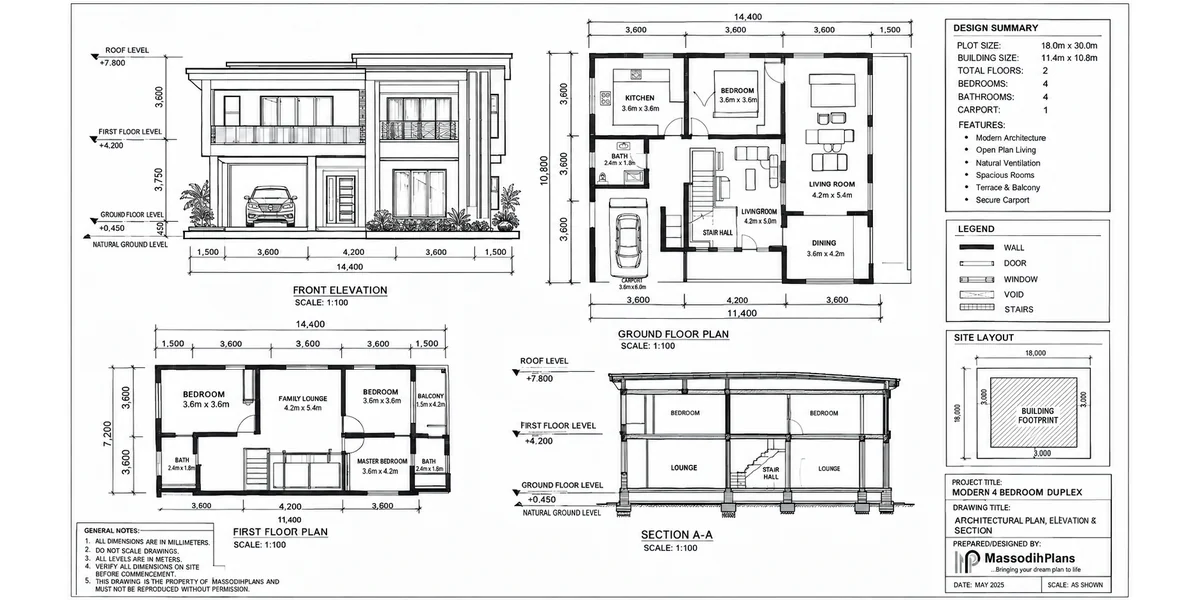
A family living abroad contacted MassodihPlans after purchasing a residential plot in Arkilla, Sokoto. Their initial intention was to construct a modern four-bedroom duplex using an overseas design they had downloaded online. Although the design was visually appealing, our review identified several features that were unsuitable for Sokoto’s climate, including:
- large west-facing glass windows
- limited cross ventilation
- shallow roof overhangs
- low ceiling heights
- minimal outdoor shading
Instead of discarding the concept entirely, we redesigned the house while preserving the family’s preferred architectural style. The revised design incorporated:
- improved building orientation
- larger shaded windows
- cross ventilation in every major room
- wider roof overhangs
- insulated roofing
- naturally ventilated stairwell
- covered terraces
- internal courtyard-inspired landscaping
- provision for future solar panels
The result was a home that maintained its modern appearance while providing significantly better thermal comfort and energy efficiency. The project demonstrated an important lesson:
Good architecture is not about copying attractive designs it is about adapting them intelligently to local environmental conditions.
Climate-Responsive House Planning Checklist
Before approving your final house plan, confirm that it includes:
- ✓ Proper building orientation
- ✓ Cross ventilation
- ✓ High ceilings
- ✓ Roof insulation
- ✓ Wide roof overhangs
- ✓ Shaded windows
- ✓ Light-coloured roofing
- ✓ Energy-efficient lighting
- ✓ Provision for solar panels
- ✓ Rainwater harvesting opportunities
- ✓ Landscaping plan
- ✓ Outdoor living spaces
- ✓ Adequate natural lighting
- ✓ Future expansion possibilities
- ✓ Proper drainage design
- ✓ Compliance with local planning regulations
This checklist helps ensure your house performs well in Sokoto’s challenging climate.
Related Articles You May Also Like
To continue learning about climate-responsive design and residential development in Nigeria, you may also find these guides useful:
- Best Roofing Options for Houses
- Cost of Building a House
- Cost of Building a Duplex
- Duplex vs Bungalow in Nigeria: Which Should You Build?
- House Plans for Small Plots in Nigeria
- Modern Nigerian Bungalow House Plans
- Survey Plan vs Deed of Assignment in Nigeria
- Building Approval Process
- Passive Cooling Techniques for Nigerian Homes
- Energy-Efficient House Design
These resources complement this guide by providing practical advice on planning, approvals, construction costs, and sustainable building practices.
Final Thoughts
Designing a house for Sokoto requires more than choosing an attractive floor plan. It requires understanding how architecture interacts with climate.
A climate-responsive house uses thoughtful planning, appropriate materials, natural ventilation, shading, insulation, and efficient site design to create a healthier and more comfortable living environment. These strategies not only improve day-to-day comfort but also reduce electricity costs, extend the lifespan of building materials, and increase the long-term value of the property.
Whether you are building a modest bungalow, a luxury duplex, or a retirement home, the principles discussed in this guide can help you make informed decisions that will benefit your family for many years.
Remember that the most successful homes are not simply the most beautiful they are the ones that perform exceptionally well under the environmental conditions in which they are built.
Why Choose MassodihPlans?
At MassodihPlans, we specialise in designing homes that are functional, comfortable, and suited to Nigeria’s diverse climates and planning requirements.
Our professional services include:
- Custom Nigerian House Plans
- Modern Bungalow Designs
- Luxury Duplex Designs
- Small Plot House Designs
- Climate-Responsive Residential Design
- Architectural Working Drawings
- Town Planning Consultancy
- Building Approval Assistance
- Site Planning and Layout Design
- Construction Cost Consultancy
- Project Supervision
- Landscape Design
- GIS and Mapping Services
Every design is prepared with careful consideration of climate, functionality, sustainability, structural safety, and long-term value.
Whether your project is located in Sokoto, Kano, Kaduna, Abuja, Maiduguri, Damaturu, Yola, Jos, Uyo, Port Harcourt, Lagos, or any other part of Nigeria, MassodihPlans is committed to helping you create a home that is architecturally sound, energy-efficient, and built to withstand local environmental conditions.
Conclusion
Thank you for reading this comprehensive guide on Nigerian House Plans Suitable for Hot Weather in Sokoto.
We hope this article has shown that the best house plans are those that respond intelligently to the environment in which they are built. By considering climate from the earliest planning stage, homeowners can enjoy cooler interiors, lower energy costs, greater comfort, and improved long-term property value.
As temperatures continue to rise and energy costs increase, climate-responsive design is no longer a luxury it is a practical necessity. Investing in professional planning, appropriate materials, and sustainable design strategies today will continue to deliver benefits throughout the life of your home.
Before you begin construction, consult qualified professionals, evaluate your site carefully, and choose a house plan that works with Sokoto’s climate rather than against it. A well-designed home is one of the best long-term investments you can make for your family, your comfort, and your future. Appropriate for general information about Sokoto State and local development.