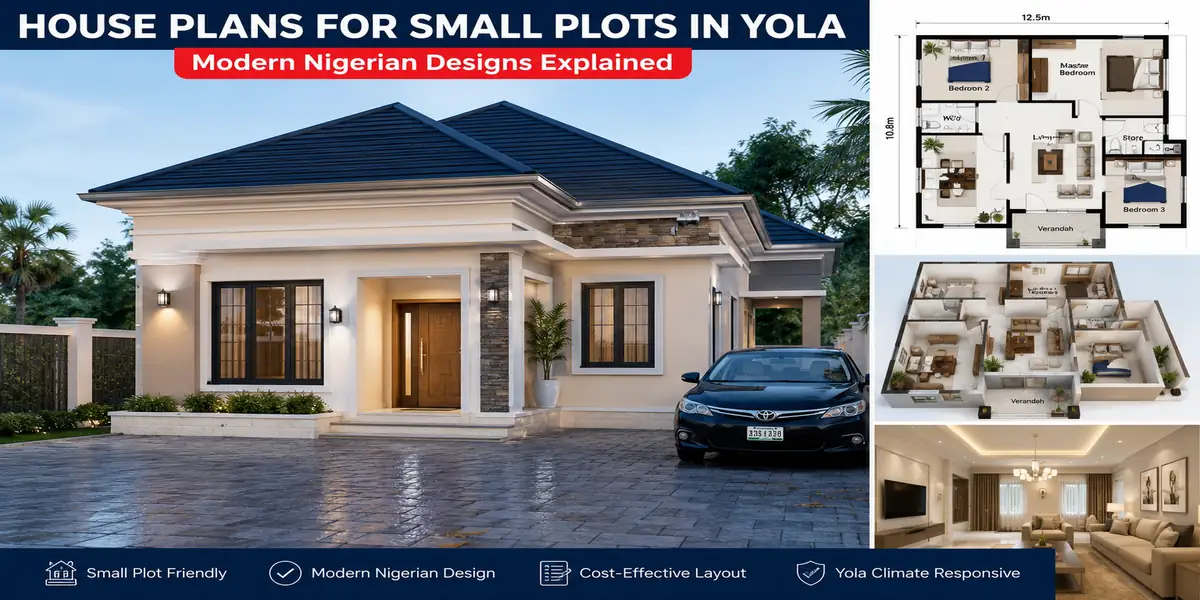
Before You Start Building in Damaturu, Read This First
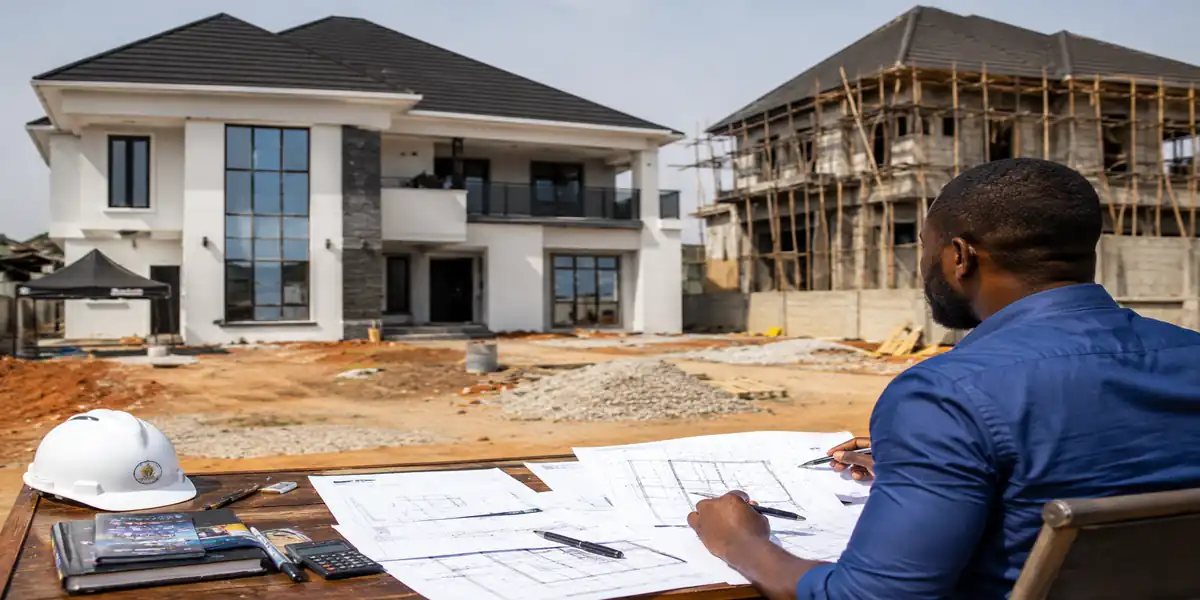
Cost of Building a House in Damaturu, Yobe State: Materials, Labour and Finishing
A modern, well-designed house begins long before the first block is laid. It starts with proper planning, realistic budgeting, and understanding the local construction environment.
Building a house is one of the most significant financial investments most people will ever make. Whether you are planning to build your first family home, a retirement residence, rental apartments, or an investment property, understanding the true cost of construction is essential before work begins.
Many homeowners in Damaturu make the mistake of budgeting only for visible expenses such as cement, blocks, roofing sheets, and labour. Unfortunately, construction involves far more than these obvious items.
Land documentation, building approval, professional design fees, foundation works, transportation of materials, finishing, utilities, fencing, borehole construction, inflation, and unexpected site conditions all contribute to the final cost of a building project.
Without proper planning, even well-funded projects can experience delays, budget overruns, or complete abandonment.
This comprehensive guide explains the cost of building a house in Damaturu, from land acquisition to finishing. It provides realistic cost estimates, explains the factors affecting construction costs, compares different house types, discusses labour and material prices, highlights hidden expenses, and offers practical advice to help you build successfully.
Whether you intend to build a bungalow, duplex, block of flats, or commercial property, this guide will help you make informed financial decisions before construction begins.
Why Building Costs in Damaturu Are Different
Construction costs are not the same across Nigeria. Although many building materials are available nationwide, local economic conditions, transportation distances, climate, labour availability, and infrastructure all influence the final cost of construction.
Damaturu, the capital of Yobe State, presents a construction environment that differs from cities such as Lagos, Abuja, Port Harcourt, Kano, or Uyo. Several factors influence building costs here, including:
- transportation of materials from manufacturing centres
- availability of skilled artisans
- seasonal weather conditions
- local demand for construction materials
- fuel prices
- infrastructure development
- security considerations
- market competition
These factors explain why the same building design may cost different amounts in different Nigerian cities. Understanding these local conditions allows homeowners to prepare more accurate budgets.
Understanding Damaturu’s Housing Market
Over the past decade, Damaturu has continued to experience gradual urban expansion driven by population growth, government development projects, commercial activities, and increasing private residential construction. Many residents now prefer modern homes with improved layouts, better security features, and contemporary architectural designs. Residential development continues across several parts of the city, including:
- Sabon Pegi
- Nayinawa
- Maisandari
- Pompomari
- Gwange
- Bulabulin
- Zango
- Hausari
- Abasha
As infrastructure improves and more people invest in housing, land values in several neighbourhoods have steadily increased. This growth has also increased demand for:
- architects
- builders
- engineers
- surveyors
- town planners
- quantity surveyors
Professional planning has become more important than ever.
What Determines the Cost of Building a House in Damaturu?
No two houses cost exactly the same. Even two identical house plans can have different construction costs depending on several important factors. The most significant cost determinants include:
- size of the building
- architectural design
- number of floors
- quality of finishing
- soil condition
- location
- labour rates
- material prices
- professional fees
- government charges
Every one of these factors should be considered during project planning.
Building Size
Naturally, larger houses require:
- more blocks
- more cement
- more roofing materials
- more reinforcement steel
- additional labour
- more finishing materials
A five-bedroom duplex will generally cost substantially more than a three-bedroom bungalow.
Architectural Design
Simple rectangular buildings usually cost less than houses with:
- multiple projections
- curved walls
- complex roof designs
- large balconies
- luxury façades
- decorative structural elements
Complicated designs increase both material consumption and labour costs.
Quality of Finishing
One of the biggest differences between two buildings of identical size is the quality of finishing. Finishing choices include:
- ceramic or porcelain tiles
- imported sanitary fittings
- premium roofing sheets
- designer kitchens
- luxury lighting
- smart home systems
These decisions can increase or reduce the overall construction budget significantly.
Site Conditions
Every plot is different. Some sites require:
- excavation
- additional filling
- retaining structures
- drainage improvements
Others are relatively ready for construction. Poor site conditions often increase foundation costs.
Inflation
Construction prices rarely remain constant. The cost of:
- cement
- reinforcement steel
- fuel
- roofing sheets
- electrical materials
can change considerably during long-term projects. A contingency allowance should always be included in the project budget.
House Types and Typical Construction Costs
Different house types require different construction budgets. Approximate construction costs in Damaturu are shown below.
| House Type | Estimated Construction Cost |
|---|---|
| 2-Bedroom Bungalow | ₦28M – ₦45M |
| 3-Bedroom Bungalow | ₦38M – ₦60M |
| 4-Bedroom Bungalow | ₦50M – ₦80M |
| 4-Bedroom Duplex | ₦75M – ₦130M |
| 5-Bedroom Duplex | ₦110M – ₦220M+ |
Table 1: Approximate construction costs in Damaturu (excluding land purchase, approvals, documentation, and professional fees).
Actual costs vary depending on the building specification, material quality, and market conditions.
Popular Residential Areas in Damaturu
Where you build has a significant influence on both construction costs and long-term property value. Some of the city’s notable residential areas include:
Sabon Pegi
Sabon Pegi has experienced considerable residential growth. It offers good accessibility and continues to attract homeowners seeking modern residential developments.
Nayinawa
Nayinawa remains one of the city’s established residential neighbourhoods. It contains a mixture of older and newer residential properties with improving infrastructure.
Maisandari
Maisandari is increasingly attracting private residential investment. Its ongoing development makes it attractive to both homeowners and investors.
Pompomari
Pompomari combines residential and institutional developments. The area continues to experience gradual urban expansion.
Gwange
Gwange offers a combination of established residential communities and new housing developments. Many families choose the area because of its accessibility and neighbourhood character.
Bulabulin
Bulabulin continues to experience residential growth. Property demand has increased steadily as infrastructure improves.
Zango
Zango offers opportunities for residential development with relatively affordable land compared to some established neighbourhoods.
Hausari
Hausari remains an important residential area with increasing private housing projects.
What Else Are You Really Buying?
When purchasing land, many people focus only on the purchase price. In reality, you are also buying access to infrastructure and services. These include:
- road accessibility
- electricity
- water supply
- drainage
- schools
- healthcare facilities
- markets
- places of worship
- security
- future development potential
A slightly more expensive plot with better infrastructure often provides greater long-term value than cheaper land in poorly serviced locations.
Approximate Residential Land Prices
Land prices vary depending on:
- location
- accessibility
- title status
- infrastructure
- neighbourhood demand
Approximate residential land prices include:
| Location | Estimated Price |
|---|---|
| Sabon Pegi | ₦8M – ₦25M |
| Nayinawa | ₦7M – ₦20M |
| Maisandari | ₦6M – ₦18M |
| Pompomari | ₦6M – ₦18M |
| Gwange | ₦5M – ₦15M |
| Bulabulin | ₦4M – ₦15M |
| Zango | ₦3M – ₦12M |
| Hausari | ₦3M – ₦12M |
Table 2: Approximate residential land prices in Damaturu. Actual prices vary according to plot size, title status, infrastructure, and prevailing market conditions.
Land Documentation Costs
Before beginning construction, ensure the land has proper documentation. Typical documentation may include:
- Survey Plan
- Deed of Assignment
- Certificate of Occupancy (where applicable)
- Registration
- Governor’s Consent (where required)
Approximate professional costs include:
| Documentation | Estimated Cost |
|---|---|
| Survey Plan | ₦180,000 – ₦450,000 |
| Deed of Assignment | ₦120,000 – ₦350,000 |
| Charting | ₦50,000 – ₦150,000 |
| Registration Fees | Government rates apply |
Proper documentation protects your investment and reduces future legal disputes.
Building Approval Costs
Every residential building should obtain the necessary development approval before construction begins. The approval process generally involves:
- architectural drawings
- structural drawings
- site plan
- survey documents
- application forms
- statutory fees
- technical assessment
- site inspection
For a standard residential house in Damaturu, approval and processing costs commonly range between: ₦250,000 and ₦1 million, depending on the building size, applicable government charges, and professional service fees. Constructing without approval may expose the project to enforcement actions and costly delays.
Professional Fees
Some homeowners view professional fees as an unnecessary expense. In reality, they help prevent costly mistakes. Professional services commonly include:
| Professional Service | Estimated Cost |
|---|---|
| Architectural Design | ₦250,000 – ₦1.5M |
| Structural Engineering | ₦200,000 – ₦700,000 |
| Quantity Surveying | ₦200,000 – ₦600,000 |
| Town Planning Consultancy | ₦150,000 – ₦500,000 |
| Mechanical & Electrical Designs | ₦150,000 – ₦500,000 |
These costs vary according to project size and complexity. Good professional advice frequently saves far more money than it costs.
From My Experience
One of the biggest mistakes I see homeowners make is assuming that the construction budget begins with cement and blocks. It actually begins much earlier with selecting the right plot, verifying land ownership, preparing accurate designs, obtaining approvals, and developing a realistic financial plan. Several clients have approached us after purchasing land simply because it was inexpensive. Unfortunately, they later discovered that poor access roads, inadequate drainage, unresolved title issues, or unsuitable site conditions significantly increased their overall project costs. The cheapest land does not always produce the cheapest building project. Careful planning at the beginning almost always saves money during construction.
Construction Material Costs in Damaturu
Building materials account for the largest portion of any construction budget. For most residential projects, 60% to 70% of the total construction cost is spent on materials alone. Understanding the approximate cost of these materials helps homeowners prepare realistic budgets and avoid costly surprises during construction. Material prices fluctuate because of:
- transportation costs
- fuel prices
- inflation
- seasonal demand
- exchange rate movements
- manufacturer pricing
- availability within Yobe State
For this reason, every cost estimate should include a contingency allowance.
Cement Prices in Damaturu
Cement is one of the most important building materials used throughout the construction process. It is required for:
- foundation concrete
- block moulding
- mortar
- plastering
- floor screeding
- reinforced concrete works
- external works
Because cement is used at almost every stage of construction, even small price increases can significantly affect the overall budget.
Approximate Cement Prices
| Cement Type | Estimated Price per 50kg Bag |
|---|---|
| Ordinary Portland Cement | ₦11,000 – ₦14,500 |
| Premium Cement Brands | ₦11,500 – ₦15,000 |
Table 3: Approximate cement prices in Damaturu.
Actual prices vary according to supplier, transportation costs, and market conditions.
How Much Cement Does a House Require?
Although every project differs, approximate consumption is shown below.
| House Type | Estimated Bags of Cement |
|---|---|
| 2-Bedroom Bungalow | 450–700 |
| 3-Bedroom Bungalow | 650–950 |
| 4-Bedroom Bungalow | 900–1,300 |
| 4-Bedroom Duplex | 1,300–2,000 |
| 5-Bedroom Duplex | 1,800–2,800+ |
Table 4: Approximate cement requirements.
These figures vary depending on:
- foundation type
- structural design
- finishing specification
- site conditions
Building Blocks
Blocks form the walls of most residential buildings. Their quality directly influences the durability and stability of the structure. Poor-quality blocks often result in:
- wall cracks
- excessive breakage
- increased plaster consumption
- reduced structural performance
Always purchase blocks from reputable manufacturers or ensure that site-moulded blocks meet appropriate strength requirements.
Approximate Block Prices
| Block Type | Estimated Price |
|---|---|
| 6-inch Hollow Block | ₦550 – ₦800 |
| 9-inch Hollow Block | ₦700 – ₦1,000 |
Table 5: Approximate block prices in Damaturu.
Approximate Block Quantities
| House Type | Estimated Number of Blocks |
|---|---|
| 2-Bedroom Bungalow | 2,000–3,000 |
| 3-Bedroom Bungalow | 3,000–4,500 |
| 4-Bedroom Bungalow | 4,500–6,500 |
| 4-Bedroom Duplex | 6,500–9,500 |
| 5-Bedroom Duplex | 9,000–13,000 |
Table 6: Estimated block quantities.
Sand
Sand is required for:
- concrete
- plastering
- mortar
- screeding
- external works
Construction projects typically require different types of sand depending on the stage of work. These include:
- sharp sand
- plaster sand
- filling sand
Approximate Sand Prices
| Material | Estimated Price per Trip |
|---|---|
| Sharp Sand | ₦45,000 – ₦90,000 |
| Plaster Sand | ₦45,000 – ₦90,000 |
| Filling Sand | ₦35,000 – ₦80,000 |
Table 7: Approximate sand prices.
Transportation distance has a significant impact on final prices.
Granite
Granite is essential for reinforced concrete works such as:
- foundations
- columns
- beams
- slabs
- lintels
Quality granite improves concrete strength and durability.
Approximate Granite Prices
| Granite Type | Estimated Price per Trip |
|---|---|
| ¾-inch Granite | ₦90,000 – ₦170,000 |
| Stone Dust | ₦45,000 – ₦90,000 |
Table 8: Approximate granite prices.
Reinforcement Steel
Steel reinforcement provides the tensile strength required in reinforced concrete structures. Duplexes typically require significantly more steel than bungalows because of upper-floor slabs and additional structural members.
Approximate Steel Prices
| Steel Size | Estimated Price per Length |
|---|---|
| 10mm | ₦10,000 – ₦15,000 |
| 12mm | ₦13,000 – ₦18,000 |
| 16mm | ₦22,000 – ₦30,000 |
| 20mm | ₦34,000 – ₦45,000 |
Table 9: Approximate reinforcement steel prices.
Steel prices fluctuate more frequently than many other building materials.
Roofing Materials
Roofing protects the building from weather while contributing significantly to its appearance. Material selection should consider:
- durability
- corrosion resistance
- maintenance requirements
- aesthetics
- thermal performance
Common Roofing Sheets
- Long-span aluminium
- Stone-coated roofing
- Step-tile aluminium
- Corrugated aluminium
Approximate Roofing Costs
| Roofing Type | Estimated Cost |
|---|---|
| Aluminium Roofing | ₦5M – ₦15M+ |
| Stone-Coated Roofing | ₦8M – ₦22M+ |
Table 10: Approximate roofing costs for residential buildings.
Actual costs depend on roof size and design complexity.
Timber for Roofing
Roof construction also requires quality timber. Common timber components include:
- rafters
- purlins
- wall plates
- trusses
- fascia boards
Poor-quality timber increases the risk of:
- warping
- termite attack
- premature roof failure
Pressure-treated or properly seasoned timber should always be preferred.
Doors
Door selection influences both security and aesthetics. Common options include:
- security doors
- flush doors
- panel doors
- aluminium doors
- glass doors
Approximate Door Prices
| Door Type | Estimated Price |
|---|---|
| Security Door | ₦250,000 – ₦700,000 |
| Internal Flush Door | ₦70,000 – ₦180,000 |
| Wooden Panel Door | ₦120,000 – ₦350,000 |
Table 11: Approximate door prices.
Windows
Windows affect:
- natural lighting
- ventilation
- energy efficiency
- security
Aluminium sliding windows remain the most popular choice for modern homes in Damaturu.
Approximate Window Costs
| Window Type | Estimated Price |
|---|---|
| Aluminium Sliding Window | ₦120,000 – ₦450,000 |
| Casement Window | ₦100,000 – ₦350,000 |
Table 12: Approximate window prices.
Electrical Materials
Electrical installation extends throughout the building. Major components include:
- conduits
- wiring
- sockets
- switches
- distribution boards
- circuit breakers
- lighting fittings
Electrical quality should never be compromised. Using certified materials and qualified electricians improves safety and reduces future maintenance costs.
Plumbing Materials
Plumbing systems include:
- water supply pipes
- drainage pipes
- sanitary fittings
- water storage connections
- kitchen plumbing
- bathroom installations
Quality plumbing materials reduce leakage and future repair costs.
Floor Tiles
Floor finishes greatly influence the appearance of a house. Popular options include:
- ceramic tiles
- porcelain tiles
- vitrified tiles
- polished stone finishes
Approximate Tile Prices
| Tile Type | Estimated Price per Square Metre |
|---|---|
| Ceramic Tiles | ₦6,000 – ₦12,000 |
| Porcelain Tiles | ₦10,000 – ₦25,000 |
| Premium Imported Tiles | ₦20,000 – ₦45,000+ |
Table 13: Approximate floor tile prices.
Ceiling Materials
Modern ceiling finishes include:
- POP ceilings
- PVC ceilings
- gypsum board ceilings
Each offers different levels of durability, appearance, and maintenance.
Approximate Ceiling Costs
| Ceiling Type | Estimated Cost |
|---|---|
| PVC Ceiling | ₦6,000 – ₦10,000 per sqm |
| POP Ceiling | ₦10,000 – ₦18,000 per sqm |
| Gypsum Ceiling | ₦12,000 – ₦22,000 per sqm |
Table 14: Approximate ceiling prices.
Paint
Painting protects both interior and exterior surfaces while enhancing the building’s appearance. Good-quality paint generally provides:
- longer durability
- better weather resistance
- improved colour retention
Choosing reputable paint brands often reduces maintenance costs over time.
Labour Costs
Labour represents another major component of construction expenditure. The total labour cost depends on:
- building size
- complexity
- contractor experience
- construction duration
- availability of skilled artisans
Trades involved include:
- bricklayers
- carpenters
- steel fixers
- plumbers
- electricians
- tilers
- painters
- POP installers
- welders
Hidden Construction Costs
Many homeowners budget only for obvious construction materials. However, several hidden expenses frequently arise during construction. Examples include:
- transportation of materials
- loading and offloading
- temporary site fencing
- site security
- water supply
- temporary electricity
- waste disposal
- equipment hire
- material storage
- inflation adjustments
Ignoring these items often leads to budget shortfalls.
Inflation and Budget Contingency
Material prices can change considerably during long construction projects. To reduce financial risk, it is advisable to include a 10–15% contingency allowance in your construction budget. This contingency helps accommodate:
- material price increases
- fuel price fluctuations
- unexpected site conditions
- additional engineering requirements
- minor design modifications
A well-planned contingency often prevents unnecessary interruptions during construction.
From My Experience
One of the most common budgeting mistakes I encounter is focusing almost entirely on cement and blocks while underestimating the cumulative cost of finishing materials.
Items such as doors, windows, electrical fittings, plumbing fixtures, roofing accessories, paint, and ceiling finishes may appear relatively small when considered individually. However, together they often account for a substantial portion of the overall construction budget.
Successful projects are those where homeowners prepare a complete material schedule before construction begins rather than estimating costs stage by stage.
Labour Costs in Damaturu
After construction materials, labour is the next major expense in any building project. Many homeowners spend considerable time comparing material prices but pay little attention to labour costs. In reality, poor workmanship can waste far more money than expensive materials. Experienced artisans may charge higher rates, but quality workmanship usually results in:
- fewer defects
- reduced material wastage
- stronger structural integrity
- faster completion
- lower maintenance costs
For this reason, labour should be viewed as an investment rather than merely an expense.
Factors That Affect Labour Costs
Labour costs vary depending on several factors, including:
- building size
- architectural complexity
- project duration
- availability of skilled artisans
- construction season
- contractor experience
- quality expectations
A luxury duplex naturally requires more skilled labour than a modest bungalow.
Masonry Labour
Bricklayers are responsible for:
- foundation blockwork
- wall construction
- lintels
- plastering preparation
- general masonry works
Their workmanship significantly influences the alignment, strength, and appearance of the building. Approximate masonry labour costs are shown below.
| House Type | Estimated Labour Cost |
|---|---|
| 2-Bedroom Bungalow | ₦1.2M – ₦2.0M |
| 3-Bedroom Bungalow | ₦1.8M – ₦3.0M |
| 4-Bedroom Bungalow | ₦2.5M – ₦4.2M |
| 4-Bedroom Duplex | ₦3.5M – ₦6.0M |
| 5-Bedroom Duplex | ₦5.0M – ₦8.5M |
Table 15: Approximate masonry labour costs.
Carpentry Labour
Carpenters carry out:
- formwork
- roofing framework
- fascia installation
- ceiling framework
- doors
- cabinetry support
Because roof structures differ greatly between projects, carpentry costs vary considerably. Approximate carpentry labour:
| Building Type | Estimated Cost |
|---|---|
| Small Bungalow | ₦600,000 – ₦1.2M |
| Medium Bungalow | ₦900,000 – ₦1.8M |
| Duplex | ₦1.5M – ₦3.5M |
Steel Fixing Labour
Steel fixers prepare reinforcement for:
- foundations
- columns
- beams
- suspended slabs
- staircases
Duplexes require substantially more reinforcement than bungalows. Approximate steel fixing labour:
| Building Type | Estimated Cost |
|---|---|
| Bungalow | ₦400,000 – ₦900,000 |
| Duplex | ₦900,000 – ₦2.5M |
Roofing Labour
Roof installation involves:
- timber framework
- trusses
- purlins
- aluminium sheet installation
- ridge caps
- flashing
- gutters
Approximate roofing labour:
| Roof Size | Estimated Cost |
|---|---|
| Small House | ₦500,000 – ₦900,000 |
| Medium House | ₦900,000 – ₦1.8M |
| Large Duplex | ₦1.8M – ₦3.5M |
Electrical Labour
Professional electricians install:
- conduit pipes
- electrical wiring
- sockets
- switches
- distribution boards
- lighting systems
- outdoor lighting
Approximate electrical labour:
| Building Type | Estimated Cost |
|---|---|
| Small Bungalow | ₦500,000 – ₦900,000 |
| Medium House | ₦800,000 – ₦1.5M |
| Duplex | ₦1.5M – ₦3.0M |
Electrical work should always comply with applicable safety standards.
Plumbing Labour
Plumbing installation covers:
- water supply systems
- waste disposal
- drainage
- sanitary fittings
- kitchen plumbing
- bathroom plumbing
Approximate plumbing labour:
| Building Type | Estimated Cost |
|---|---|
| Bungalow | ₦500,000 – ₦1.2M |
| Duplex | ₦1.2M – ₦2.8M |
Tiling Labour
Tile installation greatly influences the appearance of finished interiors. Professional tilers ensure:
- level floors
- consistent spacing
- proper alignment
- durable finishes
Approximate tiling labour:
| House Type | Estimated Cost |
|---|---|
| Small House | ₦700,000 – ₦1.2M |
| Medium House | ₦1.2M – ₦2.0M |
| Duplex | ₦2.0M – ₦4.0M |
Painting Labour
And Painting improves both appearance and weather protection. Painting labour depends on:
- wall area
- number of coats
- paint quality
- decorative finishes
Approximate labour:
| Building Type | Estimated Cost |
|---|---|
| Bungalow | ₦600,000 – ₦1.5M |
| Duplex | ₦1.5M – ₦3.5M |
Interior Finishing Costs
Finishing transforms a completed structure into a comfortable and functional home. Many homeowners underestimate this stage. In reality, finishing often consumes 30–40% of the total construction budget.
Floor Finishes
Popular flooring options include:
- ceramic tiles
- porcelain tiles
- polished concrete
- marble
- granite
- terrazzo
Approximate flooring budgets:
| Finish Level | Estimated Cost |
|---|---|
| Basic | ₦2M – ₦5M |
| Mid-Range | ₦5M – ₦10M |
| Luxury | ₦10M – ₦25M+ |
Kitchen Installation
The kitchen is one of the most expensive rooms to finish. Costs depend on:
- cabinet quality
- worktops
- sinks
- plumbing
- appliances
- storage solutions
Approximate kitchen installation:
| Specification | Estimated Cost |
|---|---|
| Basic | ₦1.5M – ₦3M |
| Mid-Range | ₦3M – ₦8M |
| Luxury | ₦8M – ₦20M+ |
Bathroom Finishing
Bathrooms include:
- floor tiles
- wall tiles
- water closets
- wash-hand basins
- shower systems
- mirrors
- accessories
Approximate bathroom costs:
| Finish Level | Estimated Cost per Bathroom |
|---|---|
| Basic | ₦400,000 – ₦900,000 |
| Mid-Range | ₦900,000 – ₦2M |
| Luxury | ₦2M – ₦5M+ |
Ceiling Installation
Modern ceilings improve:
- aesthetics
- lighting integration
- thermal comfort
- acoustic performance
Approximate total ceiling budget:
| Ceiling Type | Estimated Cost |
|---|---|
| PVC | ₦1.5M – ₦4M |
| POP | ₦3M – ₦8M |
| Gypsum | ₦4M – ₦10M |
Aluminium Works
Aluminium fabrication commonly includes:
- windows
- sliding doors
- handrails
- balcony rails
- entrance canopies
Approximate aluminium budget: ₦2M – ₦10M+ depending on building size.
Painting Costs
Paint materials and labour together generally cost:
| Building Type | Estimated Cost |
|---|---|
| Bungalow | ₦1.5M – ₦4M |
| Duplex | ₦3M – ₦8M |
Premium weather-resistant paints may cost more initially but often reduce future repainting expenses.
Compound Development
Many homeowners forget to budget for external works. Compound development commonly includes:
- paving
- landscaping
- drainage
- security lighting
- gate installation
- walkways
Approximate cost: ₦2M – ₦10M+
Perimeter Fencing
A residential fence improves:
- security
- privacy
- property definition
Fence construction may include:
- block walls
- reinforced columns
- gates
- security wire
- decorative finishes
Approximate fencing budget: ₦4M – ₦15M+ depending on plot size and design.
Borehole Installation
Reliable water supply remains essential. Most homeowners install:
- boreholes
- overhead tanks
- pumping systems
- water treatment (where necessary)
Approximate borehole cost: ₦2M – ₦6M depending on drilling depth and equipment.
Solar Power Installation
As electricity costs continue to rise, many homeowners now integrate solar systems into new buildings. Typical systems include:
- solar panels
- inverters
- batteries
- charge controllers
Approximate installation cost:
| System Size | Estimated Cost |
|---|---|
| Basic Residential | ₦2M – ₦5M |
| Medium Household | ₦5M – ₦10M |
| Premium System | ₦10M – ₦25M+ |
Generator Provision
Many households still maintain standby generators. Budget considerations include:
- generator purchase
- generator house
- electrical connection
- fuel storage
Approximate budget: ₦800,000 – ₦6M+ depending on generator capacity.
Long-Term Maintenance Costs
Building a house is only the beginning. Annual maintenance should include:
- repainting
- plumbing repairs
- roof inspections
- electrical servicing
- landscaping
- gate maintenance
- water system servicing
Setting aside a maintenance reserve each year helps preserve the property’s value and reduces the likelihood of major repair expenses.
From My Experience
One of the biggest mistakes homeowners make is allocating nearly all their funds to completing the structural frame while leaving little for quality finishing.
A house is judged not only by its foundation and walls but also by the comfort, durability, and functionality of its finished spaces. Choosing durable materials, engaging skilled artisans, and maintaining realistic allowances for kitchens, bathrooms, electrical systems, plumbing, and external works often provides far better long-term value than rushing to complete construction with substandard finishes.
A balanced budget almost always produces a better home than one that prioritises size over quality.
Construction Timeline: How Long Does It Take to Build a House in Damaturu?
One of the most common questions prospective homeowners ask is: “How long will it take to complete my house?” There is no single answer because construction duration depends on several factors, including:
- the size of the building
- availability of funds
- weather conditions
- contractor efficiency
- material availability
- approval processes
- project supervision
A properly planned project with consistent funding can progress smoothly from foundation to completion, while poor planning or interrupted financing may extend construction for several years.
Typical Construction Timeline
The following estimates assume that funding is readily available and construction proceeds without major interruptions.
| House Type | Estimated Completion Period |
|---|---|
| 2-Bedroom Bungalow | 5–8 Months |
| 3-Bedroom Bungalow | 6–9 Months |
| 4-Bedroom Bungalow | 8–12 Months |
| 4-Bedroom Duplex | 10–15 Months |
| 5-Bedroom Duplex | 12–18 Months |
Table 15: Typical construction timelines for residential buildings in Damaturu.
Actual completion periods vary depending on project complexity and site conditions.
Major Stages of Construction
Understanding the different construction stages helps homeowners monitor progress more effectively. A typical residential building follows these stages:
Stage 1 – Site Preparation
This includes:
- land clearing
- setting out
- temporary fencing
- site office (where necessary)
- excavation
Stage 2 – Foundation Works
Foundation works involve:
- excavation
- concrete blinding
- reinforcement
- foundation blockwork
- backfilling
- hardcore filling
- floor slab construction
The quality of this stage largely determines the long-term stability of the building.
Stage 3 – Walling
This stage includes:
- block laying
- lintels
- reinforced columns
- ring beams
At this point, the building begins to take its visible shape.
Stage 4 – Roofing
Roof construction includes:
- timber installation
- steel trusses (where applicable)
- roofing sheets
- fascia boards
- rainwater gutters
Completing the roof protects the building from weather and allows interior work to proceed.
Stage 5 – First Fix
First-fix installations include:
- electrical conduits
- plumbing pipes
- drainage
- embedded services
These systems are installed before plastering.
Stage 6 – Plastering and Screeding
Internal and external walls are plastered. Floor screeding prepares surfaces for tile installation.
Stage 7 – Finishing
This stage includes:
- tiling
- ceiling installation
- painting
- kitchen installation
- sanitary fittings
- electrical accessories
- plumbing fixtures
Most homeowners consider this the most exciting stage because the building begins to resemble a completed home.
Stage 8 – External Works
Final external works commonly include:
- fencing
- gate installation
- paving
- landscaping
- drainage
- security lighting
Building in Phases
Not every homeowner completes construction at once. Many successful projects are completed in carefully planned phases. A phased approach allows homeowners to spread costs over time without abandoning quality.
Typical Phased Construction
A common sequence includes:
First Phase One
- land purchase
- documentation
- approvals
- foundation
Second Phase Two
- wall construction
- roofing
Third Phase Three
- electrical
- plumbing
- plastering
Phase Four
- finishing
- external works
Advantages of Phased Construction
Building in phases can:
- reduce financial pressure
- improve budgeting
- allow better quality control
- minimise borrowing
- provide flexibility during inflation
However, prolonged interruptions should be avoided because exposed structures may deteriorate over time.
Choosing the Right Contractor
Selecting a contractor is one of the most important decisions in the entire project. The cheapest quotation is not always the best. Likewise, the most expensive contractor does not automatically guarantee quality. A good contractor should demonstrate:
- technical competence
- experience
- transparency
- financial discipline
- good communication
- quality workmanship
- reliable references
Questions to Ask Before Hiring
Before appointing a contractor, consider asking:
- How many similar projects have you completed?
- Can you provide references?
- Who supervises your workers?
- What is your construction schedule?
- What payment method do you recommend?
- How do you manage material procurement?
- How do you handle variations?
Clear answers to these questions reduce misunderstandings later.
Why Written Contracts Matter
Every construction project should be supported by a written agreement. The contract should clearly define:
- project scope
- payment schedule
- completion period
- responsibilities
- material specifications
- quality expectations
- dispute resolution procedures
Written agreements protect both homeowners and contractors.
How to Avoid Construction Fraud
Construction fraud remains one of the greatest risks facing homeowners. Unfortunately, many people lose substantial sums because they fail to carry out proper checks before engaging contractors or purchasing materials.
Common Warning Signs
Exercise caution if a contractor:
- demands full payment before work begins
- refuses to provide references
- avoids written agreements
- frequently changes quotations
- cannot explain technical details
- pressures you into making immediate decisions
Professional contractors welcome transparency.
Practical Ways to Reduce Risk
Some effective strategies include:
- engaging registered professionals
- signing written contracts
- making milestone-based payments
- inspecting work regularly
- maintaining proper documentation
- comparing multiple quotations
Careful supervision is often the best protection against unnecessary losses.
Soil Conditions in Damaturu
Every successful building starts with a proper understanding of the ground beneath it. Different parts of Damaturu may have varying soil characteristics. Some sites provide firm natural ground, while others may require additional engineering consideration.
Why Soil Investigation Is Important
A geotechnical investigation helps determine:
- soil bearing capacity
- groundwater conditions
- suitable foundation type
- allowable structural loading
Without proper investigation, homeowners may encounter:
- foundation settlement
- wall cracks
- uneven floors
- structural movement
The cost of a soil test is usually small compared to the cost of correcting foundation failure.
Climate Considerations in Damaturu
Damaturu lies within Nigeria’s semi-arid region. The local climate influences both building design and material selection. Important considerations include:
- high daytime temperatures
- seasonal rainfall
- strong sunlight
- dust during dry periods
These environmental conditions should influence architectural planning.
Designing for Thermal Comfort
A well-designed house can remain significantly cooler without excessive reliance on air conditioning. Some effective design strategies include:
- wide roof overhangs
- cross ventilation
- shaded windows
- insulated roofing
- light-coloured exterior finishes
- strategic tree planting
Good climatic design improves comfort while reducing electricity costs.
Water Supply and Drainage
Reliable water supply is essential for both construction and long-term occupancy. Most homeowners install:
- boreholes
- overhead tanks
- pumping systems
- underground storage tanks
Drainage planning is equally important. Proper site drainage helps prevent:
- erosion
- flooding
- foundation weakening
- damp walls
Water management should be considered from the earliest design stage.
Security Planning
Security should never be treated as an afterthought. Modern residential buildings increasingly incorporate security measures during the design stage. Common features include:
- perimeter fencing
- security lighting
- CCTV systems
- secure entrance doors
- burglar-resistant windows
- controlled access gates
Planning these features early is often more economical than adding them after construction.
Building for the Future
A house should not only meet today’s needs but also accommodate future changes. When preparing your design, consider:
- future family growth
- ageing occupants
- home office requirements
- renewable energy systems
- electric vehicle charging
- additional parking
- future extensions
Buildings designed with flexibility generally retain their value longer.
Investment Potential in Damaturu
Residential property continues to play an important role in long-term wealth creation. Well-planned houses in developing neighbourhoods often appreciate as:
- infrastructure improves
- population increases
- commercial activities expand
- public services develop
Although every investment carries some risk, quality residential properties in good locations have historically remained valuable long-term assets.
Advice for Nigerians in the Diaspora
Many Nigerians living abroad build homes in Damaturu for retirement, family use, or investment. Distance should not prevent proper project management. Successful diaspora projects usually rely on:
- experienced professionals
- detailed architectural drawings
- regular progress reports
- milestone-based payments
- independent site inspections
- accurate financial records
Avoid sending large sums without proper documentation or verification. Professional supervision provides accountability throughout construction.
From My Experience
One of the most expensive mistakes I have observed is homeowners rushing into construction simply because funds have become available. Successful projects rarely begin with money alone. They begin with careful planning. Clients who invest time in proper design, documentation, budgeting, soil investigation, contractor selection, and professional supervision almost always experience fewer delays, fewer disputes, and lower overall construction costs. Good planning does not slow a project it makes completion far more likely.
Frequently Asked Questions (FAQs)
Below are answers to some of the most common questions prospective homeowners, landowners, and property investors ask before building a house in Damaturu.
1. How much does it cost to build a house in Damaturu?
The cost depends on the size of the building, design complexity, quality of materials, labour, professional fees, and level of finishing. As a general guide:
- 2-Bedroom Bungalow: ₦28 million – ₦45 million
- 3-Bedroom Bungalow: ₦38 million – ₦60 million
- 4-Bedroom Bungalow: ₦50 million – ₦80 million
- 4-Bedroom Duplex: ₦75 million – ₦130 million
- 5-Bedroom Duplex: ₦110 million – ₦220 million+
These estimates exclude land purchase and some statutory costs.
2. Does this estimate include the cost of land?
No. The figures provided in this guide cover construction costs only. Land purchase, documentation, and statutory charges should be budgeted separately.
3. Is Damaturu a good place to build a house?
Yes. As the capital of Yobe State, Damaturu continues to experience residential and commercial growth. Improving infrastructure and increasing demand for housing make it an attractive location for both homeowners and property investors.
4. Which areas are suitable for residential development?
Popular residential neighbourhoods include:
- Sabon Pegi
- Nayinawa
- Maisandari
- Pompomari
- Gwange
- Bulabulin
- Zango
- Hausari
- Abasha
The most suitable location depends on your budget, accessibility needs, and long-term objectives.
5. Should I buy land before preparing building drawings?
Not always. Although many people purchase land first, consulting professionals before buying can help confirm that the plot is suitable for your intended development.
6. Is a soil investigation necessary?
Yes. A geotechnical investigation helps engineers determine the appropriate foundation design and reduces the risk of structural problems.
7. Do I need building approval before construction?
Yes. Development approval should be obtained before construction begins. Building without approval may result in enforcement actions, delays, or additional costs.
8. How much should I budget for professional drawings?
Professional fees vary depending on project size and complexity. Architectural, structural, mechanical, electrical, and quantity surveying services typically represent a small percentage of the total project cost but provide significant long-term value.
9. Which stage of construction is the most expensive?
For most residential buildings, the structural stage including foundation, reinforced concrete works, blockwork, and roofing accounts for the largest share of the budget. However, high-quality finishing can also represent a substantial portion of the overall construction cost.
10. Can I build my house in phases?
Yes. Many homeowners successfully complete projects in phases. A carefully planned phased approach allows construction to continue as funds become available while maintaining quality.
11. How long does it take to complete a house?
With consistent funding and proper supervision:
- Bungalows generally take 5–12 months
- Duplexes generally take 10–18 months
Project duration depends on size, complexity, weather conditions, and contractor performance.
12. Which roofing material is best?
There is no single best option. Good-quality aluminium roofing sheets remain popular because they are:
- durable
- corrosion-resistant
- relatively lightweight
- suitable for Nigerian climatic conditions
Material selection should consider durability, budget, and maintenance.
13. Should I buy all my building materials at once?
Not necessarily. Some materials can be purchased in bulk to reduce transportation costs. However, prolonged storage may expose materials to theft, damage, or deterioration. A planned procurement schedule usually provides the best balance.
14. How much contingency should I include in my budget?
A contingency allowance of 10–15% is generally recommended to accommodate inflation, unforeseen site conditions, and minor design changes.
15. Is hiring professionals really necessary?
Absolutely. Qualified professionals help ensure:
- proper planning
- regulatory compliance
- structural safety
- accurate cost control
- efficient project management
Professional guidance often prevents costly mistakes.
16. What hidden costs do homeowners often forget?
Frequently overlooked expenses include:
- material transportation
- temporary site fencing
- site security
- water supply
- electricity
- waste disposal
- equipment hire
- inflation
- landscaping
- external drainage
These costs should be included in the initial budget.
17. Can Nigerians living abroad successfully build in Damaturu?
Yes. Many successful projects are completed through:
- professional supervision
- regular site inspections
- progress reporting
- milestone-based contractor payments
- proper financial documentation
Effective project management is essential.
18. What type of house offers the best long-term value?
There is no universal answer. The best option depends on:
- family size
- available land
- budget
- lifestyle
- long-term objectives
Both bungalows and duplexes can provide excellent long-term value when properly planned and constructed.
19. Is finishing really as expensive as people say?
Yes. Many homeowners underestimate finishing costs. Items such as:
- tiles
- kitchen cabinets
- plumbing fixtures
- electrical fittings
- ceilings
- paint
- doors
- windows
can collectively represent a significant portion of the overall construction budget.
20. What is the best way to avoid overspending?
The most effective approach is to:
- prepare accurate designs
- obtain professional cost estimates
- develop a realistic budget
- supervise construction properly
- avoid unnecessary design changes after construction begins
Case Study: How Proper Planning Helped a Family Build Successfully in Damaturu
A civil servant approached MassodihPlans after purchasing a residential plot in Sabon Pegi, Damaturu. His original plan was to construct a four-bedroom bungalow immediately using savings accumulated over several years. During our initial consultation, we reviewed:
- the site characteristics
- family size
- long-term plans
- available budget
- expected construction timeline
Before preparing the architectural design, we recommended:
- verification of land documents
- a topographical assessment
- a geotechnical investigation
- preliminary cost planning
The soil investigation confirmed that conventional shallow foundations would be suitable for the site, avoiding unnecessary structural costs. We also worked with the client to develop a phased construction programme. Instead of attempting to complete every aspect simultaneously, construction was divided into manageable stages. This approach allowed the client to:
- maintain consistent quality
- avoid unnecessary borrowing
- purchase materials strategically
- complete the project without abandoning work
Professional supervision throughout construction helped minimise material wastage and ensured that every stage complied with the approved drawings. The result was a comfortable family home completed within the planned budget range. The experience demonstrates an important lesson:
Successful construction depends more on planning than on the amount of money available at the beginning of the project.
Budgeting Checklist Before You Start Building
Before construction begins, make sure you have planned for:
- Land purchase
- Survey Plan
- Title verification
- Deed of Assignment
- Architectural drawings
- Structural drawings
- Building approval
- Soil investigation
- Bill of Quantities
- Construction contingency (10–15%)
- Material procurement plan
- Labour schedule
- Site supervision
- Borehole
- Perimeter fencing
- External drainage
- Compound paving
- Landscaping
- Utility connections
A comprehensive checklist helps reduce unexpected expenses and keeps the project on schedule.
Related Guides You May Find Helpful
If you found this guide useful, you may also like these resources:
- Cost of Building a Duplex
- Cost of Building a Bungalow
- House Plans for Small Plots
- Building Approval Process
- Survey Plan vs Deed of Assignment in Nigeria
- Best Roofing Options for Houses
- Duplex vs Bungalow in Nigeria: Which Should You Build?
- Cost of Building a Duplex in Uyo
- Cost of Building a Duplex in Yenagoa
- Common Building Mistakes Homeowners Should Avoid
- Bungalow vs Duplex: Which is Better to build in Nigeria Today?
- Cost of Building a Modern Bungalow in Calabar (Updated Guide)
- Lost Survey Beacon in Nigeria: What to Do, Replacement Cost, and Legal Process
- Modern Duplex House Plan for 50×100 Plot in Lagos
- Current Cost of Building a House in Port Harcourt (Professional Analysis)
- Full Cost Breakdown for Building a Duplex on a Small Plot in Kano Nigeria
- House Plans for Sloping Land in Jos, Plateau State, Nigeria: Smart Nigerian Designs
- Cost of Building a Duplex in Yenagoa: Materials and Labour Guide
Together, these guides provide a complete understanding of land acquisition, planning, approvals, budgeting, construction, and long-term property ownership.
Finally
Building a house in Damaturu is a major financial and personal milestone. Whether your goal is to provide a comfortable home for your family, create rental accommodation, or invest in real estate, success depends on careful preparation rather than guesswork.
The total cost of construction extends beyond blocks, cement, and roofing sheets. It includes land verification, professional design, approvals, engineering, quality materials, skilled labour, finishing, external works, and long-term maintenance. Overlooking any of these components can lead to unnecessary delays and increased costs.
By preparing a realistic budget, engaging qualified professionals, selecting durable materials, and supervising construction properly, you greatly improve the likelihood of completing a safe, functional, and valuable home.
Remember that every successful building project begins with informed decisions. Investing time in planning today can save substantial money and prevent costly mistakes in the future.
Why Choose MassodihPlans?
At MassodihPlans, we assist homeowners, developers, landowners, and property investors in making informed construction decisions throughout Nigeria. Our professional services include:
- Architectural House Plans
- Custom Residential Designs
- Duplex and Bungalow Design
- Building Approval Assistance
- Town Planning Consultancy
- Site Planning and Layout Design
- Construction Cost Consultancy
- Quantity Survey Coordination
- Project Supervision
- Land Development Advisory
Whether you are building in Damaturu, Maiduguri, Kano, Abuja, Uyo, Port Harcourt, Lagos, or anywhere else in Nigeria, we are committed to helping you deliver projects that are functional, compliant, cost-effective, and built to last.
Conclusion
Thank you for reading this comprehensive guide on the Cost of Building a House in Damaturu: Materials, Labour and Finishing.
We hope this resource has helped you understand the major costs involved in planning and constructing a house, from land acquisition and documentation to materials, labour, finishing, and long-term maintenance.
Every successful building project starts with proper planning, realistic budgeting, and the support of qualified professionals. By making informed decisions at every stage, you can build a home that is safe, durable, comfortable, and a valuable investment for many years to come.
Before construction begins, take time to consult experienced professionals, verify your land documents, prepare accurate cost estimates, and obtain the necessary approvals. Doing so will help you avoid common mistakes and ensure a smoother building experience from foundation to completion. Yobe State Building Permit Application Guidelines.