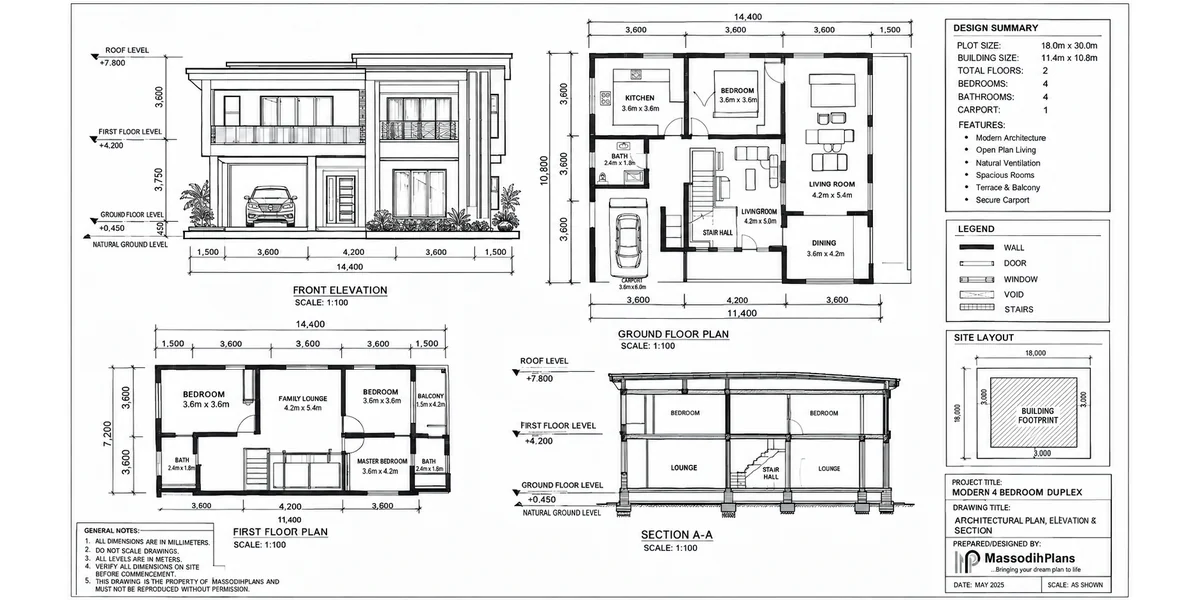
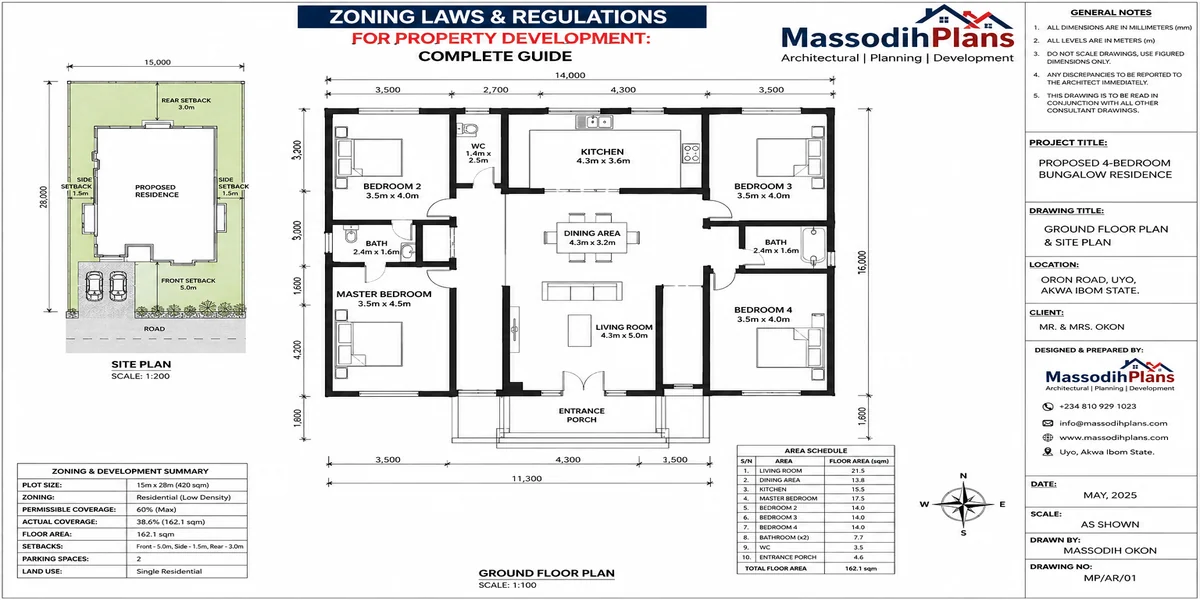
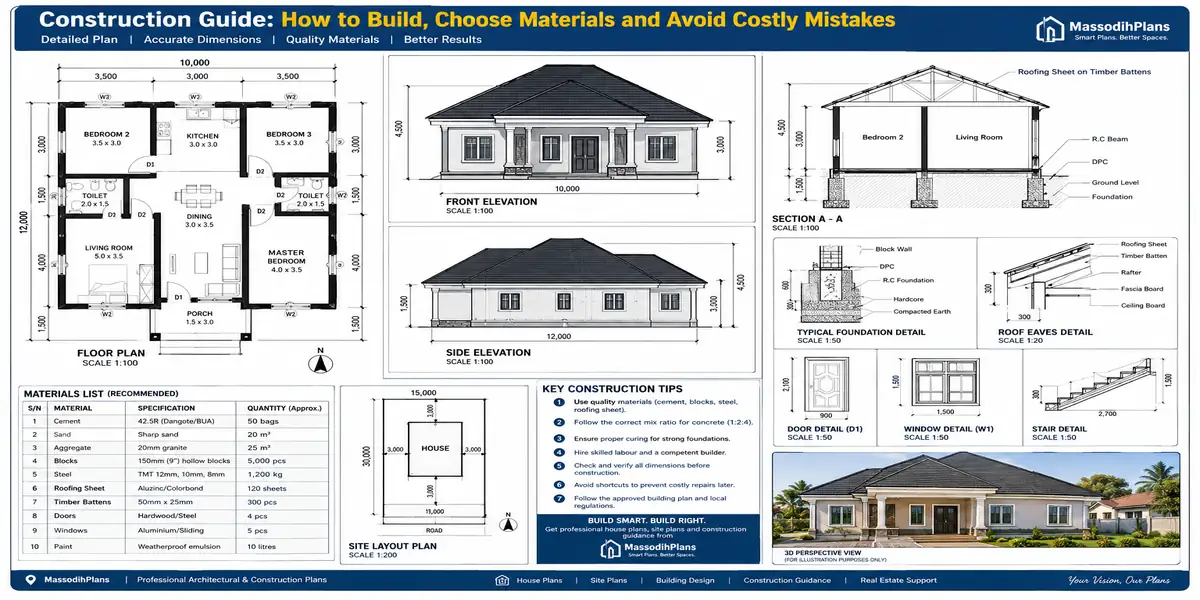
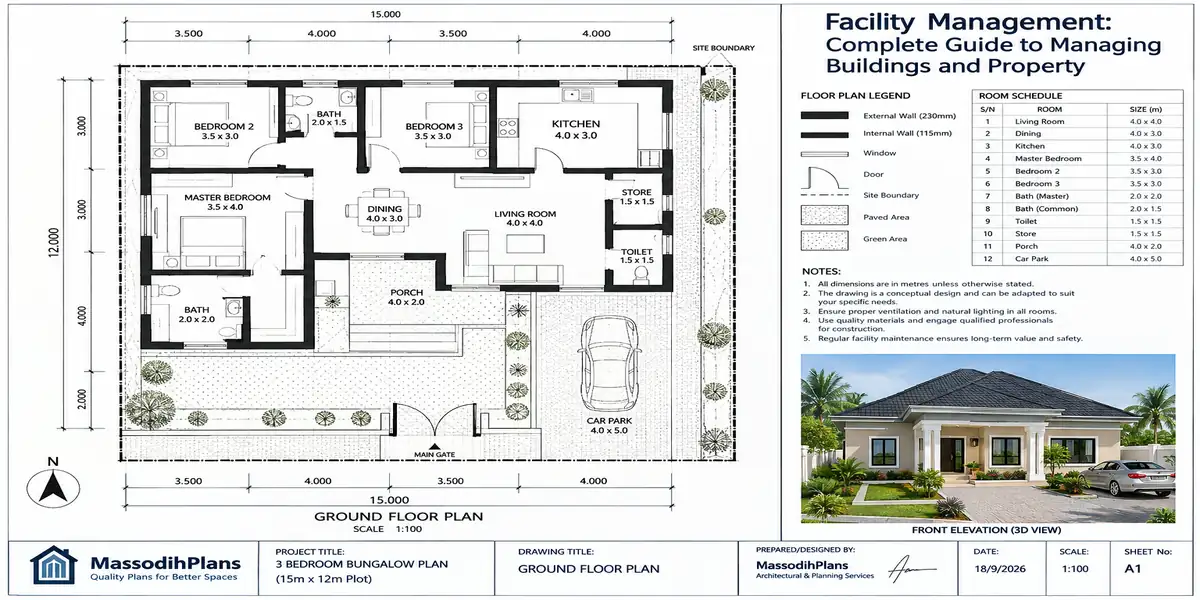
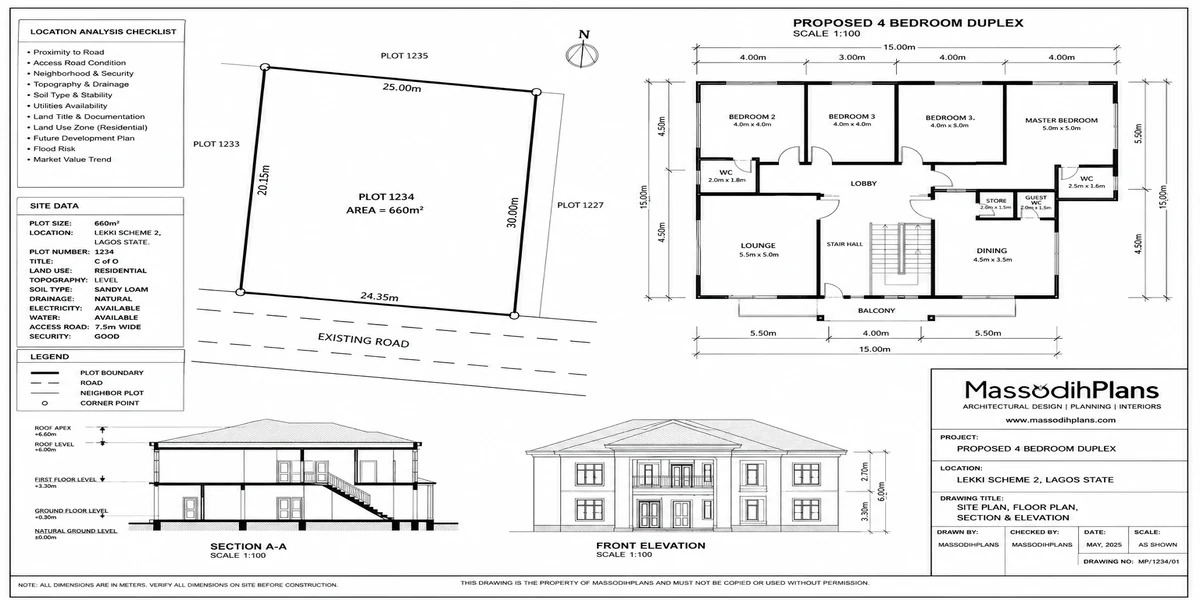
Before You Build That Duplex in Yenagoa, Read This: The Real Cost Nobody Tells You
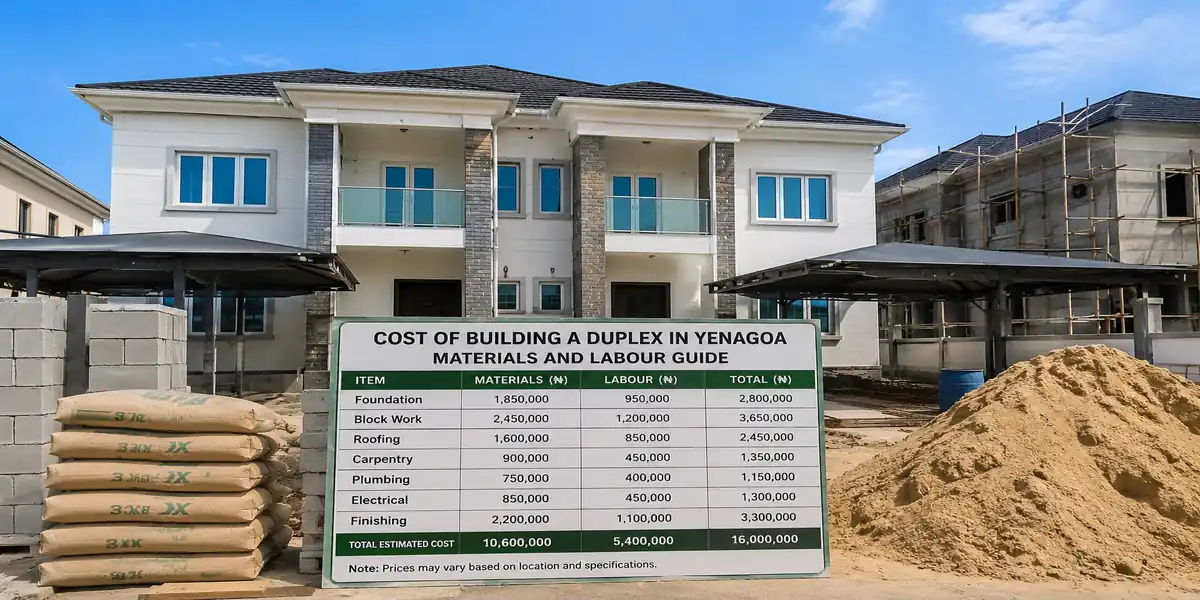
Cost of Building a Duplex in Yenagoa: Materials and Labour Guide
Cost of Building a Duplex in Yenagoa: Materials and Labour Guide. Building a duplex in Yenagoa currently costs between ₦55 million and over ₦220 million, depending on the size of the building, location, foundation requirements, quality of finishes, and prevailing material prices. A standard three-bedroom duplex with moderate finishes in developing areas such as Igbogene may cost between ₦55 million and ₦80 million, while a luxury four-bedroom duplex in Opolo, Kpansia, or other premium neighbourhoods can exceed ₦180 million to ₦220 million.
These figures are not random estimates. They reflect current construction realities observed by professionals in architecture, town planning, quantity surveying, and building across Bayelsa State. Like every Nigerian city, Yenagoa has unique construction conditions, and relying on estimates from Lagos, Abuja, or Port Harcourt without adjustments can result in costly budgeting errors.
Many prospective homeowners make the mistake of depending on advice from friends, relatives, social media, or contractors who offer unrealistically low quotations simply to secure a project. Such estimates often leave projects abandoned halfway due to insufficient funds. Others inflate costs unnecessarily, discouraging genuine investors from building.
This guide provides a practical, location-specific breakdown of what it truly costs to build a duplex in Yenagoa today. It explains how location, material prices, labour costs, approvals, foundation conditions, and finishing standards influence your overall budget. It also highlights common hidden expenses and offers practical strategies to help you plan effectively and complete your project successfully.
Whether you are building your family home, developing rental property, investing from the diaspora, or researching future construction costs, this guide will help you make informed financial decisions before spending your first naira.
Why Building Costs in Yenagoa Are Different from Other Nigerian Cities
Many people assume that construction costs are the same across Nigeria.
They are not. Yenagoa has environmental, geographical, economic, and regulatory conditions that make building here different from almost every other state capital.
Anyone who simply tells you, “A duplex costs ₦70 million anywhere in Nigeria,” probably has little understanding of Bayelsa’s construction environment. Here are the major reasons building costs differ in Yenagoa.
1. Difficult Soil Conditions Increase Foundation Costs
Unlike many inland cities, large parts of Yenagoa sit on swampy, waterlogged terrain with relatively soft subsoil. Areas around Swali, Agudama, Ovom, Amarata, and parts of Ekeki often require:
- deeper excavations
- imported filling sand
- additional hardcore filling
- stronger reinforced foundations
- improved drainage systems
Depending on the site investigation results, foundation costs alone may increase by 15–35% compared to similar buildings in cities with firmer soil. This is one reason why professional soil investigation should never be ignored before designing your duplex.
2. Transportation Costs Affect Material Prices
Although Yenagoa continues to develop rapidly, many building materials still arrive from:
- Port Harcourt
- Aba
- Onitsha
- Lagos
- Benin City
Transport charges significantly affect the final prices of:
- cement
- reinforcement steel
- roofing sheets
- ceramic tiles
- sanitary wares
- imported finishing materials
Fuel price fluctuations also influence delivery costs throughout Bayelsa State.
3. Flood Protection Adds Additional Construction Costs
Flood management is one of the most important considerations when building in Yenagoa. Many modern duplexes now require:
- higher foundation levels
- better site drainage
- elevated floor slabs
- stronger retaining walls
- proper stormwater management
These additional works improve durability but also increase the overall project budget. Ignoring drainage is one of the most expensive mistakes a homeowner can make.
4. Skilled Labour Commands Higher Wages
Yenagoa has many experienced artisans, but highly skilled workers remain in strong demand. Professional:
- bricklayers
- steel fixers
- carpenters
- tilers
- POP installers
- electricians
- plumbers
often earn higher wages during the dry season because multiple projects compete for the same workforce. Between November and April, labour costs commonly increase by 15–30%.
5. Regulatory Requirements Continue to Improve
Building approvals within Bayelsa State have become more structured over recent years. Residential developments now require proper documentation before construction begins. Failure to obtain approval can result in:
- stop-work notices
- fines
- delays
- legal complications
- possible demolition of non-compliant structures
Professional planning from the beginning saves far more money than trying to resolve regulatory issues later.
From My Experience
On one proposed duplex project near Kpansia, three contractors submitted quotations for exactly the same architectural drawings.
The quotations ranged from ₦69 million to ₦118 million. At first glance, it appeared that one contractor was trying to overcharge. After reviewing each quotation carefully, the differences became clear.
One contractor had allowed for proper soil improvement, reinforced foundations, drainage channels, quality roofing sheets, and professional supervision. Another assumed average soil conditions and omitted several important items.
The cheapest quotation excluded drainage, external works, contingencies, and several structural components that would eventually become unavoidable expenses.
This experience reinforces an important lesson. Never compare contractor quotations based only on the final amount. Always compare what each quotation actually includes.
Estimated Cost of Building a Duplex in Yenagoa by House Type
The following estimates reflect realistic construction costs under current market conditions. These figures cover construction only. They do not include:
- land purchase
- survey
- title processing
- professional fees
- building approval
- perimeter fencing
- landscaping
- furniture
| Building Type | Approximate Size | Low Budget | Mid-Range | Luxury Finish |
|---|---|---|---|---|
| 3-Bedroom Duplex | 180–220 sqm | ₦55M–₦75M | ₦75M–₦100M | ₦100M–₦145M |
| 4-Bedroom Duplex | 240–300 sqm | ₦75M–₦100M | ₦100M–₦145M | ₦145M–₦220M |
| 5-Bedroom Duplex | 300–380 sqm | ₦100M–₦140M | ₦140M–₦190M | ₦190M–₦280M+ |
Table 1: Estimated duplex construction costs in Yenagoa, Bayelsa State.
Understanding These Budget Categories
Low Budget
A low-budget duplex does not mean poor quality. Instead, it usually includes:
- straightforward architectural design
- standard roofing
- locally manufactured tiles
- functional electrical fittings
- simple kitchen finishes
- basic landscaping
This option suits homeowners who prioritise durability over luxury aesthetics.
Mid-Range Budget
Most homeowners in Yenagoa choose this category. It usually provides:
- better roofing systems
- higher-quality ceramic tiles
- POP ceilings
- premium windows
- improved sanitary fittings
- enhanced kitchen cabinets
- decorative lighting
- stronger external finishing
This category generally offers the best balance between quality and long-term value.
Luxury Finish
Luxury duplexes involve significantly more than expensive tiles. They often include:
- imported finishing materials
- stone cladding
- smart home technology
- premium aluminium roofing
- designer kitchens
- luxury wardrobes
- advanced security systems
- solar integration
- extensive landscaping
- custom architectural features
Although these homes cost considerably more, they also command higher market values.
How Location Affects the Cost of Building a Duplex in Yenagoa
Where you build can influence your total project cost almost as much as the size of the duplex itself. Different neighbourhoods have different:
- land values
- soil conditions
- accessibility
- infrastructure
- labour availability
- approval complexity
- resale values
Understanding these differences helps you prepare a more realistic construction budget.
Opolo
Opolo remains one of the fastest-growing residential and commercial districts in Yenagoa. The area enjoys:
- good road access
- expanding infrastructure
- increasing commercial activity
- growing demand for modern duplex developments
Land prices are relatively high compared to many parts of the city, but long-term property appreciation remains strong.
Expect construction costs to sit within the mid-range to luxury categories because buyers and tenants generally expect higher-quality finishes.
Kpansia
Kpansia has become one of Yenagoa’s most desirable residential neighbourhoods. Modern duplex developments continue to increase throughout the area due to:
- improved accessibility
- peaceful residential environment
- proximity to schools
- proximity to government offices
- increasing property demand
Because buyers often expect premium construction standards here, most duplex projects fall within the upper mid-range or luxury budget categories.
Biogbolo
Biogbolo offers an excellent balance between affordability and accessibility. Many families choose this area because it provides:
- established road networks
- existing residential communities
- relatively stable infrastructure
- good rental demand
Depending on the exact location, a well-designed duplex can often be completed within the lower to mid-range budget.
Ekeki
Ekeki continues to experience rapid residential growth. Its central location provides convenient access to:
- government institutions
- commercial centres
- schools
- healthcare facilities
Construction activity remains high throughout the area. However, proper drainage planning remains essential due to seasonal rainfall.
Amarata
Amarata combines residential, institutional, and commercial developments. Certain sections experience softer soil conditions than others. Before finalising your design, professional geotechnical investigation is strongly recommended. Ignoring soil conditions here may significantly increase future repair costs.
Swali
Swali remains one of the city’s busiest commercial districts. While it offers excellent investment opportunities, many plots require substantial foundation improvements because of waterlogged conditions. For residential duplex development, drainage design becomes just as important as architectural design.
Igbogene
Igbogene has witnessed remarkable development over recent years. The area offers relatively affordable land compared to older parts of Yenagoa while maintaining excellent long-term investment potential.
Many first-time homeowners and property developers now consider Igbogene one of the city’s most promising residential growth areas.
What Else You’re Really Buying: Amenities by Corridor
When buying land in Yenagoa, many people focus almost entirely on the purchase price. That is understandable.
However, the true value of a property extends far beyond the amount you pay for the land itself. The surrounding infrastructure, accessibility, public services, and future development potential all influence your quality of life and long-term property value.
As I often tell clients: You are not just buying a plot of land you are buying the environment you will live in for decades. Here is how some of Yenagoa’s major residential corridors compare.
Opolo
Opolo has become one of the city’s fastest-growing mixed residential and commercial districts. Residents enjoy access to:
- major banking institutions
- supermarkets
- fuel stations
- private hospitals
- restaurants
- schools
- government offices
Road connectivity is generally good, making daily commuting easier than in many developing neighbourhoods.
Kpansia
Kpansia continues to attract professionals and families seeking a quieter residential environment. Advantages include:
- quality private schools
- churches and worship centres
- healthcare facilities
- relatively organised residential layouts
- increasing commercial services
This combination explains why property values continue to appreciate steadily.
Biogbolo
Biogbolo offers an excellent balance between affordability and convenience. Residents benefit from:
- local markets
- schools
- public transportation
- healthcare centres
- easy access to the city centre
For many middle-income families, Biogbolo remains one of Yenagoa’s most practical residential locations.
Ekeki
Ekeki provides convenient access to many government institutions and commercial establishments. The area continues to experience:
- road improvements
- new residential developments
- expanding commercial activities
- increasing infrastructure investment
Its central location makes it attractive for both homeowners and investors.
Amarata
Amarata combines residential development with important institutional facilities. Families appreciate the area’s:
- peaceful neighbourhoods
- proximity to schools
- government establishments
- expanding infrastructure
Before purchasing land, however, always confirm drainage conditions on the specific plot.
Swali
Swali is one of Yenagoa’s busiest commercial areas. Living here provides excellent access to:
- major markets
- commercial activities
- transport routes
- waterfront trading areas
However, because of heavy commercial activity, some homeowners prefer quieter residential neighbourhoods nearby.
Igbogene
Igbogene has become increasingly popular because it combines affordability with future growth potential. Infrastructure continues to improve each year. Many new estates and residential developments are emerging, making it one of the city’s strongest long-term investment locations.
My Advice
Whenever clients ask me, “Which is the best area to build?” I usually respond with another question. “How do you actually want to live?” A slightly more expensive plot with:
- better roads,
- reliable drainage,
- nearby schools,
- hospitals,
- electricity,
- security,
can save you millions of naira and countless hours of stress over the lifetime of your home. Buying cheaper land in an unsuitable location often becomes more expensive in the long run.
Full Cost Breakdown: What You Are Actually Paying For
One of the biggest misconceptions in residential construction is that the total cost consists only of blocks, cement, and roofing. In reality, a complete duplex project involves many separate cost components. Understanding each one helps you budget realistically from the beginning.
Land Acquisition Cost
Land remains the first major investment before construction begins. Prices vary significantly across Yenagoa depending on:
- location
- accessibility
- title status
- infrastructure
- future development prospects
Approximate residential land prices include:
| Location | Estimated Price |
|---|---|
| Opolo | ₦12M – ₦40M |
| Kpansia | ₦10M – ₦35M |
| Ekeki | ₦8M – ₦25M |
| Amarata | ₦7M – ₦20M |
| Biogbolo | ₦6M – ₦18M |
| Igbogene | ₦4M – ₦15M |
| Swali (Residential Sections) | ₦6M – ₦20M |
Table 2: Approximate residential land prices in Yenagoa. Actual prices depend on plot size, title, road access, and market conditions.
Always verify:
- ownership
- survey plan
- title documents
- government acquisition status
- existing disputes before making payment.
The cheapest land is not always the best investment.
Warning Signs: How to Avoid Land and Contractor Fraud in Yenagoa
Unfortunately, property fraud continues to affect many buyers across Nigeria. Yenagoa is no exception. Here are warning signs every buyer should recognise.
Red Flags When Buying Land
Be cautious if:
- the seller cannot produce an original survey plan
- several people claim ownership of the same land
- the asking price is far below market value
- the seller pressures you to pay immediately
- title documents contain inconsistent names
- the survey does not correspond with the physical land
- neighbours mention unresolved ownership disputes
Never rely solely on verbal assurances. Always verify documentation independently.
Red Flags When Hiring Contractors
Avoid contractors who:
- refuse written contracts
- demand excessive mobilisation fees
- cannot provide previous completed projects
- have no registered business
- refuse professional supervision
- promise unrealistic completion periods
- avoid preparing a proper Bill of Quantities
Professional documentation protects both parties.
From My Experience
One client almost purchased land in Yenagoa after being assured that “every document was complete.” During verification, we discovered that part of the land had already been allocated under a different survey number. The buyer would likely have spent years in court had construction already commenced. That single verification exercise saved millions of naira. Due diligence is always cheaper than litigation.
Survey and Land Documentation Costs
Proper documentation protects your investment. Typical documentation expenses include:
| Item | Estimated Cost |
|---|---|
| Survey Plan | ₦180,000 – ₦500,000 |
| Deed of Assignment | ₦120,000 – ₦350,000 |
| Charting | ₦50,000 – ₦150,000 |
| Registration Fees | Varies |
| Governor’s Consent (where applicable) | Government rates apply |
These figures vary depending on:
- plot size
- property value
- documentation complexity
- professional fees
Never skip proper documentation simply to reduce initial expenses.
Building Approval Costs
Every duplex in Yenagoa requires proper development approval before construction begins. Approval generally involves:
- architectural drawings
- structural drawings
- site plan
- application forms
- development charges
- site inspection
- planning approval
For a standard residential duplex, approval costs generally range between: ₦300,000 and ₦1.2 million depending on:
- building size
- location
- floor area
- government charges
- professional processing fees
Building without approval exposes you to:
- stop-work notices
- penalties
- demolition risks
- legal complications
Obtaining approval before construction is always the safer and more economical approach.
Professional Fees
Many people see professional fees as an unnecessary expense. In reality, they are among the best investments in any building project. Professional guidance reduces costly mistakes that can affect your building for decades. Typical professional fees include:
| Professional Service | Estimated Cost |
|---|---|
| Architectural Design | ₦300,000 – ₦1.5M |
| Structural Engineering | ₦200,000 – ₦700,000 |
| Quantity Surveying | ₦200,000 – ₦600,000 |
| Town Planning Consultancy | ₦150,000 – ₦500,000 |
| Mechanical & Electrical Designs | ₦150,000 – ₦500,000 |
These fees depend largely on project complexity and level of detailing.
Why Professional Services Matter
Good professionals do much more than prepare drawings. They help you:
- reduce waste
- avoid structural failures
- comply with planning regulations
- control construction costs
- improve project quality
- complete projects more efficiently
Professional supervision often saves more money than it costs.
MassodihPlans Professional Services
At MassodihPlans, we assist clients throughout Nigeria with:
- Architectural Designs
- Duplex House Plans
- Town Planning Consultancy
- Building Approval Processing
- Survey Coordination
- Site Planning
- Construction Advisory
- Property Development Consultancy
- Project Supervision
Our goal is to help homeowners build legally, safely, and within realistic budgets.
Construction Costs: Materials
If land acquisition is the first major expense, building materials represent the largest financial commitment during construction. For most duplex projects in Yenagoa, materials account for approximately 55 to 65 percent of the total construction budget.
Because of inflation, exchange rate fluctuations, fuel prices, and transportation costs, building material prices change regularly. The figures below represent realistic market ranges that should help you prepare your budget. Always confirm current prices from reputable suppliers before making bulk purchases.
Cement
Cement remains the backbone of every building project. It is used for:
- foundation works
- block laying
- concrete casting
- plastering
- floor screeding
Current market prices in Yenagoa generally range between: ₦10,000 – ₦12,500 per 50kg bag. Large projects usually benefit from purchasing directly from authorized distributors.
Blocks
Quality blocks determine the long-term strength of your duplex. Approximate prices:
| Block Type | Price |
|---|---|
| 9-inch hollow block | ₦550 – ₦750 |
| 6-inch hollow block | ₦450 – ₦650 |
| Solid block | ₦700 – ₦1,000 |
Never compromise on block quality simply to reduce costs. Poor-quality blocks often lead to expensive structural repairs.
Reinforcement Steel (Iron Rods)
Steel reinforcement provides structural strength. Approximate prices include:
| Rod Size | Estimated Price |
|---|---|
| 10 mm | ₦8,000 – ₦10,000 |
| 12 mm | ₦10,000 – ₦13,000 |
| 16 mm | ₦18,000 – ₦23,000 |
| 20 mm | ₦28,000 – ₦35,000 |
Always insist on certified reinforcement bars.
Sand
Because of Yenagoa’s terrain, sand filling is often one of the largest early expenses. Typical prices include:
| Material | Estimated Cost |
|---|---|
| Sharp Sand (Tipper) | ₦90,000 – ₦130,000 |
| Filling Sand | ₦120,000 – ₦200,000 |
| River Sand | ₦80,000 – ₦120,000 |
Plots requiring significant filling may consume dozens of truckloads before foundation work even begins.
Granite
Granite is required for:
- foundations
- columns
- beams
- suspended floors
- concrete works
Approximate price: ₦140,000 – ₦190,000 per tipper
Roofing Materials
Roofing represents one of the largest single purchases during construction. Approximate prices:
| Roofing Material | Estimated Cost |
|---|---|
| Long-span aluminium sheets | ₦6,500 – ₦10,500 per metre |
| Stone-coated roofing | ₦12,000 – ₦20,000 per sqm |
| Roofing timber | Market dependent |
| Fascia boards | Project dependent |
| Rainwater gutters | Project dependent |
Because Yenagoa experiences heavy rainfall and high humidity, investing in corrosion-resistant roofing materials is strongly recommended.
Windows and Doors
Typical costs vary according to design and specifications. Approximate ranges:
| Item | Estimated Cost |
|---|---|
| Aluminium windows | ₦120,000 – ₦450,000 each (depending on size) |
| Security entrance door | ₦350,000 – ₦1.5M |
| Internal wooden doors | ₦90,000 – ₦300,000 |
Floor Tiles
Current market prices:
| Tile Type | Estimated Cost |
|---|---|
| Standard ceramic tiles | ₦7,000 – ₦12,000 per sqm |
| Premium porcelain tiles | ₦12,000 – ₦25,000 per sqm |
| Imported luxury tiles | ₦25,000+ per sqm |
Plumbing Materials
Approximate costs include:
- PPR pipes
- PVC pipes
- WC systems
- shower mixers
- wash hand basins
- kitchen sinks
- overhead tanks
A complete plumbing installation for a standard duplex commonly ranges between: ₦2.5 million and ₦8 million depending on specifications.
Electrical Materials
Electrical installation includes:
- conduit piping
- wiring
- distribution boards
- sockets
- switches
- lighting
- earthing systems
For a modern duplex, electrical materials generally cost between: ₦3 million and ₦10 million depending on fittings and smart-home integration.
Approximate Material Price Summary
| Material | Unit | Estimated Price |
|---|---|---|
| Cement | 50kg bag | ₦10,000 – ₦12,500 |
| 9-inch Blocks | Each | ₦550 – ₦750 |
| Sharp Sand | Tipper | ₦90,000 – ₦130,000 |
| Filling Sand | Tipper | ₦120,000 – ₦200,000 |
| Granite | Tipper | ₦140,000 – ₦190,000 |
| 12mm Reinforcement Rod | Length | ₦10,000 – ₦13,000 |
| Aluminium Roofing | Metre | ₦6,500 – ₦10,500 |
| Floor Tiles | sqm | ₦7,000 – ₦25,000 |
Table 3: Approximate building material prices in Yenagoa. Prices fluctuate regularly and should be verified before purchase.
Labour Costs
Labour is the second-largest construction expense after materials. Depending on the level of supervision and project complexity, labour generally accounts for 25 to 35 percent of the total construction budget. Current daily labour rates in Yenagoa include:
| Skilled Trade | Daily Rate |
|---|---|
| Block Layer | ₦12,000 – ₦20,000 |
| Carpenter | ₦12,000 – ₦20,000 |
| Steel Fixer | ₦12,000 – ₦20,000 |
| Plumber | ₦12,000 – ₦22,000 |
| Electrician | ₦12,000 – ₦22,000 |
| POP Installer | ₦12,000 – ₦22,000 |
| Painter | ₦10,000 – ₦18,000 |
| Welder | ₦12,000 – ₦22,000 |
| General Labourer | ₦6,000 – ₦10,000 |
Table 4: Estimated daily labour rates in Yenagoa.
Labour Costs Increase During Peak Construction Season
Most homeowners begin construction during the dry season. Consequently:
- skilled artisans become fully booked
- labour rates increase
- project scheduling becomes more difficult
Starting major structural work before peak demand can reduce labour costs.
Hidden Costs That Many Homeowners Forget
Many building budgets fail because they ignore indirect construction expenses. These hidden costs often appear gradually throughout the project.
Water Supply
Construction consumes enormous quantities of water. If your site has no borehole, water delivery may cost ₦70,000 – ₦150,000 per month depending on project size.
Site Security
Construction materials are valuable. Hiring a night guard generally costs: ₦40,000 – ₦80,000 monthly depending on location.
Temporary Electricity
Powering:
- mixers
- welders
- cutting machines
- pumps often requires generators.
Fuel and maintenance can cost: ₦5,000 – ₦15,000 daily during active construction.
Site Clearing
Vegetation removal, excavation, and waste disposal typically cost: ₦150,000 – ₦800,000 depending on site conditions.
Additional Sand Filling
One hidden expense unique to many parts of Yenagoa is extra filling. Some plots require several additional truckloads beyond initial estimates because of unexpected soft spots or low ground levels. This single item has caused many projects to exceed budget.
Inflation
Material prices rarely remain constant throughout a project. I strongly advise every client to include: 10–15% contingency before construction begins. Projects without contingency often stall before completion.
From What I Have Seen in Practice
Many duplex projects do not stop because the owner completely runs out of money. They stop because the budget only considered visible construction items. Nobody planned for:
- inflation
- drainage
- temporary electricity
- security
- water
- transportation
- additional filling
- material wastage
These “small” expenses eventually accumulate into several million naira. A realistic budget always includes them from the very beginning.
The Cost of Owning Your Duplex After Construction Ends
Many building guides end once the keys are handed over. Real life begins after that. Every homeowner should budget for annual maintenance. Ignoring maintenance reduces the lifespan of the building.
Annual Painting
Yenagoa’s humid climate causes exterior paint to weather faster than in many inland cities. Budget approximately ₦300,000 – ₦900,000 every few years for repainting.
Roof Maintenance
Heavy rainfall means gutters and roof drainage systems require regular cleaning. Blocked gutters eventually lead to:
- roof leaks
- wall dampness
- foundation deterioration
Routine inspections prevent expensive repairs.
Borehole Maintenance
Most duplexes rely on private water supply. Pump servicing and occasional replacement generally cost: ₦100,000 – ₦350,000 depending on pump type.
Generator and Solar Maintenance
Even homeowners with solar systems should budget for:
- battery maintenance
- inverter servicing
- generator repairs
Power backup remains an ongoing household expense.
Septic Tank Maintenance
Depending on household size, desludging may be required every few years. Typical costs range between: ₦60,000 – ₦120,000 per service.
Security
Many duplex owners continue employing private security personnel after moving in. This becomes a recurring monthly expense that should be considered during long-term financial planning.
My Advice
The families whose homes still look beautiful after fifteen or twenty years are rarely those who spent the most money building. They are usually the families who budgeted properly for maintenance from the very beginning. Construction finishes one day. Home ownership continues for decades.
Construction Timeline and Phased Building Strategy for Yenagoa
One of the biggest misconceptions among first-time homeowners is believing that every duplex can be completed within a few months. In reality, the construction timeline depends on several factors, including:
- availability of funds
- weather conditions
- contractor efficiency
- material availability
- approval processing
- project supervision
For most properly funded residential duplex projects in Yenagoa, a realistic completion period ranges between 9 and 15 months.
Projects that suffer from funding interruptions or poor supervision often extend to three to six years, significantly increasing the final cost due to inflation and repeated contractor mobilisation.
Typical Construction Timeline for a Standard Duplex
Below is a realistic construction schedule for a well-managed project.
| Construction Stage | Estimated Duration |
|---|---|
| Site Clearing & Setting Out | 1–2 Weeks |
| Excavation & Foundation | 3–5 Weeks |
| Blockwork to Decking Level | 6–8 Weeks |
| Upper Floor Construction | 5–7 Weeks |
| Roof Structure & Roofing | 3–4 Weeks |
| Electrical & Plumbing First Fix | 2–3 Weeks |
| Plastering | 4–5 Weeks |
| Windows & External Doors | 2 Weeks |
| Ceiling Installation | 2–3 Weeks |
| Floor & Wall Tiling | 3–5 Weeks |
| Painting | 3 Weeks |
| Electrical & Plumbing Final Fix | 2 Weeks |
| External Works & Landscaping | 3–5 Weeks |
Estimated Total Duration: 9–15 Months
Why Duplex Projects Take Longer in Yenagoa
Unlike many inland cities, Yenagoa experiences prolonged periods of heavy rainfall. During the rainy season:
- excavation becomes slower
- foundation work may be delayed
- material transportation becomes more difficult
- curing periods may increase
- drainage management becomes critical
Proper planning around seasonal weather significantly improves project efficiency.
The Phase 1 and Phase 2 Building Strategy
One lesson I have learned from working with homeowners is this:
There is nothing wrong with building in phases provided the phases are professionally planned from the beginning.
Trying to complete a luxury duplex without sufficient funding often leads to abandoned projects. Instead, many successful homeowners adopt a phased approach.
Phase One
Complete:
- foundation
- structural frame
- roofing
- external walls
- windows
- one fully functional floor (where applicable)
This allows the building to remain protected from weather while future work continues.
Phase Two
Complete:
- luxury finishes
- POP ceilings
- premium tiles
- wardrobes
- landscaping
- fencing
- gatehouse
- external lighting
This strategy spreads costs without compromising structural quality.
Professional Advice
Never phase the structural elements of a duplex. Complete the entire structural frame before suspending work. Future expansion should focus only on finishes. Stopping midway through structural construction exposes reinforcement to corrosion and significantly increases future repair costs.
Choosing the Right Contractor in Yenagoa
Your contractor can determine whether your project finishes successfully or becomes another abandoned building. Price alone should never determine your decision.
Always Obtain Multiple Quotations
Request at least: Three detailed quotations for exactly the same architectural drawings and Bill of Quantities. Without identical specifications, quotations cannot be compared fairly.
Visit Previous Projects
Before awarding any contract: Visit at least two completed projects. Observe:
- workmanship
- finishing quality
- structural alignment
- roofing
- plastering
- tiling
- drainage
If possible, speak directly with previous clients. Their experiences often reveal far more than promotional photographs.
Verify Registration
A reputable contractor should have:
- registered business name
- tax identification
- permanent office
- references
- written agreements
Documentation protects everyone involved.
Avoid Excessive Mobilisation
Professional contractors generally request: 20–30% mobilisation before construction begins. Anyone demanding 50–80% upfront deserves careful scrutiny.
Insist on Written Contracts
Every contract should specify:
- payment schedule
- construction programme
- material specifications
- completion period
- variation procedure
- defect liability period
- dispute resolution
Verbal agreements often become expensive misunderstandings.
Independent Supervision
Even excellent contractors require supervision. If you cannot visit the site regularly, appoint an independent professional to inspect ongoing work. Professional supervision frequently saves millions of naira through early correction of mistakes.
From My Experience
One homeowner selected the cheapest contractor because the quotation appeared to save almost ₦12 million. By roof level, numerous structural defects had already appeared. The owner eventually spent more correcting poor workmanship than the amount originally “saved.” The cheapest quotation rarely becomes the cheapest completed project. Quality always costs less than reconstruction.
Building From Abroad: What Diaspora Homeowners Should Know
Many Nigerians living abroad dream of returning home to a completed duplex. Unfortunately, distance creates additional risks. With proper systems, however, successful remote construction is entirely possible.
Appoint a Trusted Legal Representative
Land transactions should never rely solely on verbal family arrangements. Where necessary, execute a properly prepared Power of Attorney through your legal adviser.
Use Professional Site Monitoring
Modern technology makes remote supervision much easier. Arrange:
- weekly video inspections
- drone photography (where appropriate)
- progress reports
- timestamped photographs
- quantity verification
Regular reporting discourages unnecessary variations.
Link Payments to Progress
Avoid paying ahead of completed work. Instead:
- inspect completed milestones
- verify quantities
- approve progress
- release the next payment
This protects both owner and contractor.
Separate Contractor from Supervisor
The contractor builds. The supervisor inspects. Combining both responsibilities reduces accountability. Independent supervision is one of the best investments any diaspora client can make.
Common Warning Signs
Immediately investigate if you notice:
- repeated requests for additional money
- delayed progress without explanation
- poor communication
- inconsistent photographs
- unexplained material shortages
- sudden contractor disappearance
Early intervention prevents major financial losses.
Building Approval in Bayelsa State
Every residential duplex should obtain development approval before construction begins. Approval is not merely a legal requirement. It protects:
- public safety
- orderly development
- environmental standards
- infrastructure planning
Building without approval may result in enforcement actions by the relevant planning authority.
The Typical Approval Process
Although requirements vary slightly depending on the project, approval generally includes:
- Architectural Drawings
- Structural Drawings
- Site Plan
- Survey Plan
- Title Documents
- Application Forms
- Payment of Statutory Fees
- Site Inspection
- Technical Assessment
- Development Permit
Starting construction before approval can create avoidable legal complications.
Why Approval Matters
Proper approval helps ensure:
- adequate setbacks
- proper drainage
- road alignment
- structural safety
- environmental compliance
- future property value
It also simplifies future property transactions.
Professional Assistance
Many homeowners prefer allowing experienced planning professionals to coordinate approval because the process involves technical documentation and multiple regulatory requirements. This often reduces delays and prevents costly mistakes.
Small Plot Duplex Development in Yenagoa
Land prices continue to increase. As a result, many homeowners now purchase plots between: 450 and 600 square metres. Fortunately, these sizes can still accommodate excellent duplex designs.
What Can Fit on a Standard Plot?
With proper planning, a standard residential plot can comfortably provide:
- four-bedroom duplex
- boys’ quarters
- parking spaces
- green areas
- water storage
- generator house
- septic system
- drainage
Efficient planning matters far more than simply having a larger plot.
Design Around the Setbacks
One of the biggest planning mistakes is designing first and checking setbacks later. Instead: Determine the buildable area before producing architectural drawings. This prevents expensive redesigns during approval.
Investment Opportunities in Yenagoa
Beyond owner-occupation, duplex development remains an attractive investment.
Rental Investment
Quality duplexes attract:
- government workers
- oil and gas professionals
- business owners
- returning diaspora families
Well-located properties generally experience strong rental demand.
Mixed-Use Development
Some major roads support mixed residential and commercial developments. Combining:
- offices
- shops
- residential accommodation
can significantly improve long-term returns where planning regulations permit.
Land Banking
Buying land before major infrastructure development remains one of the safest long-term property investment strategies. Growing areas around:
- Igbogene
- developing sections of Kpansia
- expanding residential layouts continue attracting investor interest.
Investment Advice
Never purchase land solely because it appears cheap. Instead evaluate:
- title security
- infrastructure
- accessibility
- future development plans
- drainage
- neighbourhood growth
The best investment is rarely the lowest-priced plot.
Building for the Way You Actually Want to Live
Many homeowners spend months selecting tiles. Very few spend equal time considering how they will actually live inside the house. A beautiful duplex should support your daily lifestyle not simply impress visitors.
Think About Security
Design for:
- perimeter fencing
- CCTV provisions
- lighting
- controlled access
- secure parking
Planning these features early is much cheaper than retrofitting later.
Natural Ventilation
Yenagoa’s humid climate makes ventilation extremely important. Well-positioned windows and cross ventilation reduce reliance on air conditioning while improving comfort.
Future Solar Installation
Even if solar power is not part of your immediate budget, provide conduit routes and electrical provisions during construction. Future installation becomes far easier.
Home Office Space
Many professionals now work partly from home. A small study or office can significantly improve long-term usability.
Water Storage
Reliable water supply remains essential. Plan sufficient space for:
- overhead tanks
- underground storage
- borehole equipment
- maintenance access
Parking
Always consider future vehicle ownership. A driveway that comfortably accommodates multiple vehicles adds convenience and future resale value.
Build Around Your Family
When discussing house designs with clients, I often ask one question before talking about architecture. “How do you want your family to live five, ten, or twenty years from now?” The answer influences every design decision. Bedrooms can always be enlarged. Tiles can always be replaced. Paint colours can always change. But a poorly planned layout is extremely difficult and expensive to correct after construction. Design your duplex around your future lifestyle not today’s trends.
Frequently Asked Questions (FAQs)
Below are some of the most common questions prospective homeowners ask before building a duplex in Yenagoa.
1. How much does it cost to build a duplex in Yenagoa?
The construction cost of a standard duplex in Yenagoa generally ranges from ₦55 million to over ₦220 million, depending on the building size, design complexity, material quality, labour costs, soil conditions, and level of finishing. This estimate excludes the cost of purchasing land.
2. Is it cheaper to build or buy a completed duplex in Yenagoa?
It depends on your priorities. Building allows you to:
- customise the design
- choose construction materials
- control quality
- spread costs over time
Buying a completed duplex offers immediate occupation but provides less flexibility. If properly managed, building often delivers better long-term value.
3. Which area is best for building a duplex in Yenagoa?
There is no single best location. Your choice depends on your goals.
- Opolo suits buyers seeking premium residential environments.
- Kpansia remains popular for family homes.
- Biogbolo offers a balance between affordability and accessibility.
- Ekeki provides excellent access to commercial and government areas.
- Igbogene offers strong long-term investment potential.
Always evaluate drainage, infrastructure, accessibility, and title security before purchasing land.
4. Can I build a duplex on a standard residential plot?
Yes. A well-designed duplex can comfortably fit on a standard plot while still providing:
- parking spaces
- adequate setbacks
- septic system
- water storage
- landscaping
Professional site planning makes the difference.
5. How much should I budget for professional drawings?
Architectural, structural, mechanical, electrical, and planning drawings typically cost several hundred thousand naira depending on project size and complexity. Although they represent a small percentage of the total budget, they significantly influence the safety and success of the project.
6. Do I need a soil test before construction?
Yes. A geotechnical investigation is especially important in Yenagoa because many locations have soft or waterlogged soils.
The results help engineers design an appropriate foundation, reducing the risk of settlement, cracking, and structural failure.
7. Is building approval compulsory?
Yes. Development approval should be obtained before construction begins.
Building without approval may lead to delays, penalties, stop-work notices, or other enforcement actions.
8. What is the most expensive stage of construction?
For most duplex projects, the structural stage including the foundation, reinforced concrete works, blockwork, and roofing consumes the largest portion of the construction budget.
9. Should I buy all my building materials at once?
Not necessarily. Some materials can be purchased in bulk to reduce transportation costs. However, storing expensive materials for long periods may expose them to theft, weather damage, or deterioration. A phased procurement strategy often works best.
10. Is a Bill of Quantities really necessary?
Absolutely. A professionally prepared Bill of Quantities provides a detailed estimate of materials, labour, and construction costs. It also makes contractor quotations easier to compare.
11. Can I build my duplex in phases?
Yes. Many homeowners successfully complete projects in phases. However, the structural frame should be completed before construction is suspended. Only the finishing works should be deferred where necessary.
12. How long does it take to complete a duplex?
With adequate funding and proper supervision, most duplexes are completed within 9 to 15 months. Interrupted funding can significantly extend this period.
13. What hidden costs should I prepare for?
Some commonly overlooked expenses include:
- additional filling sand
- drainage improvements
- site security
- temporary electricity
- water supply
- waste disposal
- inflation
- contingency
These costs can add several million naira to the total budget if ignored.
14. Is building during the rainy season advisable?
Construction can continue during the rainy season, but activities such as excavation, foundation works, and external finishing may experience delays. Planning structural work during drier months generally improves efficiency.
15. How can I reduce construction costs without sacrificing quality?
Some effective strategies include:
- engaging qualified professionals early
- avoiding unnecessary design complexity
- preparing a realistic budget
- comparing multiple contractor quotations
- supervising construction properly
- buying quality materials from reputable suppliers
Reducing quality is rarely a good cost-saving strategy.
16. Does a luxury finish significantly increase the budget?
Yes. Premium tiles, imported sanitary fittings, designer kitchens, smart home systems, and high-end roofing materials can substantially increase the total project cost. Choose finishes that align with your long-term goals and budget.
17. Is Yenagoa a good place for property investment?
Yes. Yenagoa continues to experience steady urban growth driven by government activities, commerce, and residential expansion. Well-located duplexes often enjoy strong rental demand and long-term appreciation.
18. Can Nigerians living abroad successfully build in Yenagoa?
Yes. Many diaspora clients complete successful projects by combining:
- professional supervision
- regular progress reports
- milestone-based payments
- proper documentation
- trusted project management
Planning and accountability are essential.
19. Should I employ professionals or rely solely on contractors?
Professional consultants and contractors perform different roles. Contractors build. Professionals design, inspect, supervise, and ensure compliance. Both are important for a successful project.
20. What contingency should I include in my budget?
A contingency allowance of 10–15% is generally recommended to accommodate inflation, price fluctuations, and unforeseen construction expenses.
Case Study: How Proper Planning Saved Millions on a Duplex Project in Yenagoa
A homeowner approached our team after purchasing a residential plot in one of Yenagoa’s rapidly developing neighbourhoods. The initial plan was straightforward:
Build a modern four-bedroom duplex with high-quality finishes within a fixed budget. Before construction began, we recommended a comprehensive planning process that included:
- verification of land documents
- topographical assessment
- soil investigation
- architectural planning
- structural design
- quantity surveying
- phased budgeting
During the soil investigation, engineers discovered weaker soil conditions than expected. Because this issue was identified early, the structural foundation was redesigned before construction commenced.
Although the revised foundation slightly increased the initial budget, it prevented far more expensive structural problems that could have emerged years later.
The project also benefited from:
- early material procurement for key structural items
- detailed cost control
- professional site supervision
- milestone-based contractor payments
- continuous quality inspections
Construction progressed steadily without major financial surprises. The owner completed the duplex within the planned budget range and moved into a structurally sound home designed to perform well under Yenagoa’s environmental conditions. The lesson is simple:
Good planning is one of the most profitable investments in any construction project.
Related Guides You May Find Helpful
If you’re planning to build in Yenagoa or elsewhere in Nigeria, you may also find these guides useful:
- Cost of Building a Bungalow
- Building Approval Process
- Survey Plan vs Deed of Assignment in Nigeria
- Best Roofing Options for Houses
- Duplex vs Bungalow: Which Should You Build?
- How to Choose the Right House Plan for Your Plot
- Cost of Building a Duplex in Uyo
- Cost of Building a Duplex in Port Harcourt
- Land Documentation Checklist for Homeowners
- Common Building Mistakes to Avoid Before Construction
Together, these resources provide a comprehensive understanding of land acquisition, planning, design, approvals, budgeting, and construction.
Finally
Building a duplex in Yenagoa is a significant financial commitment, but it is also one of the most rewarding long-term investments you can make. Success depends on far more than simply purchasing cement and blocks.
It begins with choosing the right plot, verifying ownership, obtaining proper documentation, engaging qualified professionals, preparing realistic cost estimates, selecting competent contractors, and maintaining effective supervision throughout construction.
Yenagoa’s unique environmental conditions including soft soils, seasonal flooding, and high humidity require thoughtful planning and quality construction practices. Attempting to cut corners during the early stages often leads to higher maintenance costs, structural problems, and avoidable financial losses later.
Whether you are building a family home, developing rental apartments, investing for future appreciation, or constructing from abroad, informed decisions at every stage will protect your investment and improve the quality, durability, and value of your property.
A well-designed and professionally executed duplex is not merely a building it is a long-term asset that can serve generations while providing security, comfort, and financial value.
Why Choose MassodihPlans?
At MassodihPlans, we help homeowners, developers, and investors make informed construction decisions across Nigeria.
Our professional services include:
- Architectural House Plans
- Custom Duplex Designs
- Building Plan Approval Assistance
- Town Planning Consultancy
- Site Planning and Layout Design
- Land Development Advice
- Construction Cost Consultancy
- Project Supervision
- Survey Coordination
- Development Feasibility Studies
Whether you are building in Yenagoa, Uyo, Port Harcourt, Abuja, Lagos, or anywhere else in Nigeria, our goal is to help you build legally, efficiently, and confidently.
With proper planning, experienced professionals, and realistic budgeting, your dream duplex can become a lasting investment that serves your family for many years to come.
Conclusion
Thank you for reading this comprehensive guide on the Cost of Building a Duplex in Yenagoa: Materials and Labour Guide.
We hope this resource has provided the practical knowledge you need to plan your project with greater confidence. Remember that every successful building project starts with informed decisions, realistic expectations, and the right professional support.
If you found this guide helpful, explore our other in-depth resources on house plans, land development, building approvals, and construction costs across Nigeria to make every stage of your building journey easier and more successful. Bayelsa State Ministry of Lands and Survey