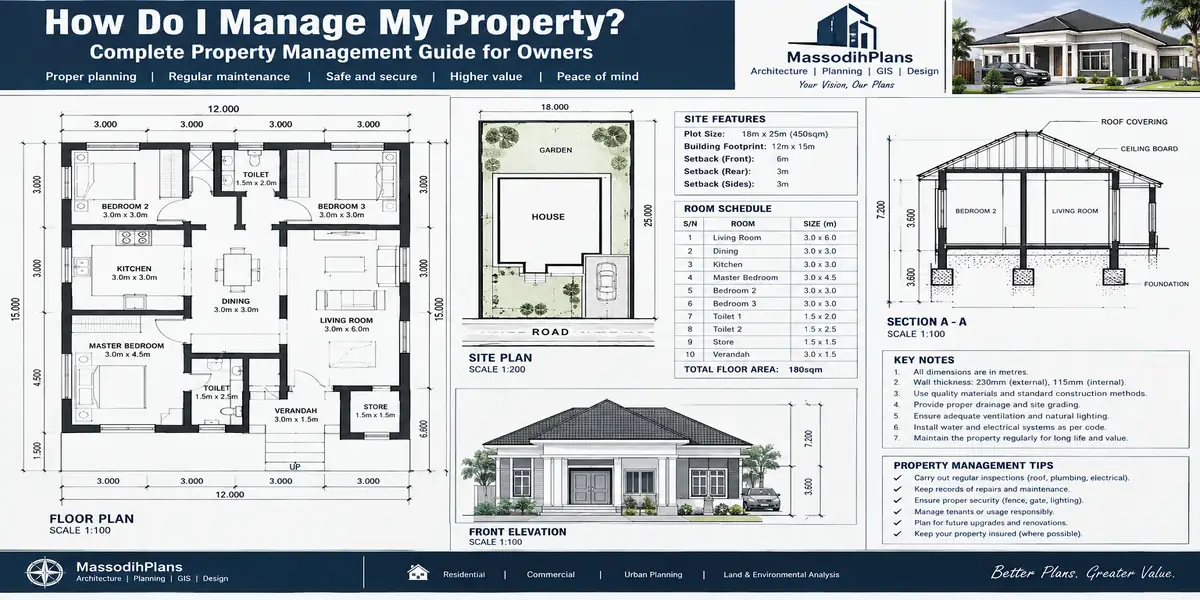
How Do I Manage My Property? Complete Property Management Guide for Owners
A client called me two years after I helped design his duplex, sounding tired in a way I hadn’t heard from him before. The building was fine. The tenants weren’t. One hadn’t paid rent in four months and kept promising “next week.” Another had sublet a room without telling him. The gate motor had been broken for three weeks because nobody knew whose responsibility it was to fix it. He asked me one question: “Nobody told me owning a house would be a full-time job. How do people actually manage this?”
That question is the real subject of this article. Not the theory of property management you’ll find in a textbook, but the actual, practical answer to what you do the day after you get the keys whether that’s one rental house, a block of apartments, or a property you’re trying to manage from another country while working a full-time job.
I’ll be direct with you the way I would with that client: managing property well isn’t about having a fancy system. It’s about closing the specific gaps where most landlords lose money, lose tenants, or lose sleep and almost every one of those gaps is predictable once you know where to look.
The Six Things Property Management Actually Comes Down To
Strip away the jargon and every property, rental house, apartment block, or investment unit is managed through the same six functions. Get these right and you’re managing well, regardless of what you call yourself.
- Getting the right tenant in — screening, agreement, and move-in done properly
- Collecting money reliably — rent, service charge, and any other dues, on a system, not on hope
- Keeping the building sound — maintenance before it becomes emergency repair
- Knowing your numbers — what the property actually earns you after every real cost
- Handling people well — tenants, agents, caretakers, and neighbours, especially when there’s a disagreement
- Staying inside the law — notices, agreements, and dispute processes done the right way, not the convenient way
Everything below is built around these six, applied to the specific situations you actually asked about.
How to Manage a Property: Getting the Foundation Right
Before you even get a tenant, three things need to be settled, because fixing them later is far more expensive than doing them properly from the start.
Have a written tenancy agreement, every time. Not a verbal understanding, not a text message exchange. A proper agreement should state the rent amount and payment schedule, what happens if rent is late, who is responsible for which repairs, notice period for either party to end the tenancy, and rules on subletting or additional occupants. I’ve seen more landlord-tenant disputes stem from the absence of this one document than from any other single cause.
Do a proper handover inspection, with photos, before the tenant moves in. This protects both of you. Without it, every argument about “who damaged what” at the end of a tenancy becomes a matter of who shouts louder, not who’s right.
Decide your maintenance boundary before you’re asked, not during an argument. Know in advance what you, as the owner, will handle (structural issues, plumbing failures, roof leaks) versus what the tenant is expected to handle (light bulbs, minor fittings, cleaning). Put this in the agreement. A tenant calling you at 11pm about a blocked sink is a very different conversation when the agreement already says whose problem that is.
Keep a single folder physical or digital for every property you own, containing the tenancy agreement, move-in photos, rent payment records, and maintenance receipts. When a dispute happens, and eventually one will, whoever has documentation wins the argument. Whoever doesn’t, loses it regardless of who was actually right.
How to Manage Rental Property: The Day-to-Day System
This is the part most guides skip past quickly, but it’s where you either build a manageable routine or a permanent headache.
Rent Collection That Doesn’t Depend on Chasing People
Set a fixed rent due date and put it in writing. Decide your grace period (a few days is reasonable; weeks is not) and what happens after it a late fee, a formal reminder, or both. Use a payment method you can track easily: bank transfer or mobile money with a receipt, not cash without a record. If you’re managing more than a couple of units, a simple spreadsheet with columns for tenant name, amount due, date paid, and balance will outperform memory every time.
Maintenance as a Routine, Not a Reaction
The single biggest shift between landlords who struggle and landlords who don’t is this: proactive maintenance versus reactive repair. A roof inspected once a year costs a fraction of a roof repaired after a leak has already damaged ceilings, wiring, and a tenant’s belongings. Build a simple annual checklist roof and gutters, plumbing joints, electrical panel, gate and fence, water tank and pump, painting touch-ups and go through it whether or not anything looks wrong.
Communication That Prevents Problems Instead of Managing Them After They Happen
Most tenant frustration comes from feeling ignored, not from the actual problem. A tenant who reports a leaking tap and hears nothing for two weeks becomes a tenant who stops paying rent on time out of quiet resentment, even if they never say why. Acknowledge every maintenance request within 24 hours, even if the fix itself takes longer “I’ve noted this, I’ll have someone look at it by Thursday” costs you nothing and buys enormous goodwill.
Inspections Without Becoming a Nuisance
Periodic inspections (announced, not surprise visits) every few months let you catch problems early unauthorized structural changes, undisclosed extra occupants, deferred damage. Give proper notice, keep visits brief and professional, and frame them as routine maintenance checks rather than tenant surveillance. This single habit catches most serious problems while they’re still cheap to fix.
How to Manage Rental Houses vs. How to Manage Apartments
These get lumped together constantly, but standalone rental houses and apartment units come with genuinely different management demands.
Managing a Standalone Rental House
You are typically the sole authority no shared facilities, no other tenants to coordinate with, no service charge disputes. The tradeoffs run the other way: you carry the full cost of every repair alone, security is entirely your responsibility (fencing, gate, possibly a guard), and utilities like the borehole, generator, and septic system are yours to maintain without anyone sharing the burden. A rental house also tends to attract longer-term tenants (families particularly), which rewards you for investing in good maintenance upfront you’re not turning the unit over as often, so the cost of quality repairs gets spread across a longer tenancy.
Managing Apartments in a Multi-Unit Building
Here the complexity shifts toward coordination. Service charge the shared cost of common facilities like generator fuel, water supply, cleaning, and security has to be collected fairly and spent transparently, or it becomes the single biggest source of tenant-landlord conflict in multi-tenant buildings. Set a clear service charge structure from the start: what it covers, how it’s calculated (often per unit or per square metre), and provide tenants a simple periodic accounting of what was spent, even informally. Shared facilities (generator, water pump, gate) need a clear maintenance responsibility either you handle it directly or you designate and pay a caretaker, but “everyone shares responsibility” in practice means nobody does.
Apartment buildings also concentrate your risk differently one burst pipe or generator failure now affects multiple households at once, and one disruptive tenant can affect everyone else’s experience of living there. This is why apartment management typically rewards having a caretaker or on-site contact, even part-time, far more than a single rental house does.
If you’re choosing between building a standalone house and a small apartment block for rental income, factor in your own time and appetite for coordination, not just the yield numbers. A multi-unit building with poor service charge management generates more landlord stress per naira of income than a well-run single rental house the returns can be excellent, but only if the shared-facility side is managed properly from day one.
How to Manage an Investment Property: Thinking Like an Owner, Not Just a Landlord
Managing an investment property well means managing the numbers as seriously as you manage the building.
Know Your Real Return, Not Just Your Rent Income
Rent collected is not profit. Subtract property tax and land use charge, insurance if you have it, maintenance and repairs (a realistic annual reserve, not just what you spend when something breaks), vacancy periods where the unit earns nothing, agent commissions if you use one, and service charge shortfalls you personally cover. What’s left is your real return and it’s often meaningfully lower than the headline rent figure most landlords quote themselves.
Build a Maintenance Reserve, Don’t Wait for the Emergency
Set aside a fixed percentage of rent collected even a modest amount specifically for maintenance, separate from money you treat as spendable profit. When the roof needs attention or the pump fails, you want a reserve already sitting there, not a scramble to find cash while a tenant’s ceiling leaks.
Review Rent Against the Market, Deliberately
Under-pricing a unit for years out of inertia is a quiet, ongoing loss. Over-pricing it causes vacancy and turnover cost that usually outweighs the extra rent. Review comparable rents in your immediate area at least once a year and adjust deliberately, with proper notice to existing tenants, rather than letting rent drift on autopilot.
Plan Tenant Turnover as a Cost, Not a Surprise
Every vacancy costs you: lost rent during the gap, cleaning and touch-up repairs, and often an agent fee to find the next tenant. Budgeting for this as a normal, expected cost of investment property ownership rather than treating each vacancy as a crisis leads to calmer decisions about repairs, pricing, and tenant selection.
Decide Your Exit Criteria Before You Need Them
A property that consistently underperforms chronic vacancy, disproportionate repair costs, a location losing value is sometimes a sign to sell or repurpose, not just to keep patching. Good investment property management includes periodically asking whether this asset is still the best use of your capital, not just whether this month’s rent came in.
How to Manage Property Remotely: For Owners Who Aren’t There
This is where most general property management advice falls apart, because it assumes you can simply drive over and check. If you’re managing property from another city, another state, or from abroad, the system needs to be built differently from the start.
Put a Trusted Local Presence in Place, Formally
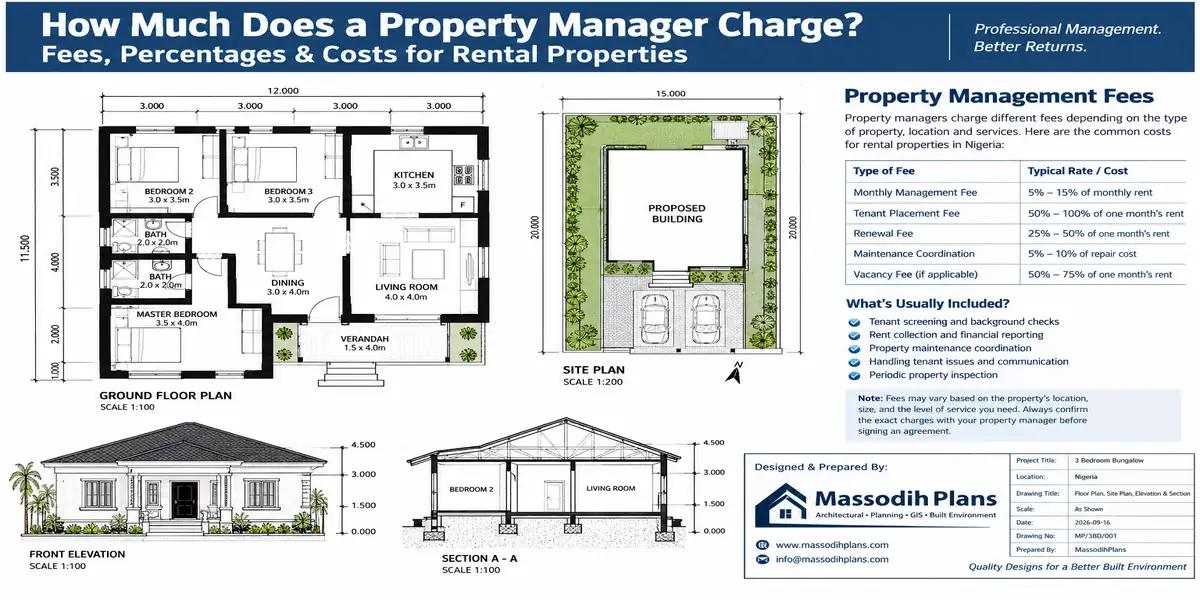
This can be a caretaker, a property management agent, or a trusted family member but it needs to be formalized, not informal goodwill. Define exactly what they’re responsible for (rent collection, routine inspection, first response to tenant issues), how they’re compensated, and how often they report to you. An informal arrangement (“my cousin will just check on it”) tends to work fine for the first six months and then quietly stops working, usually right when you need it most.
Formalize Authority With a Power of Attorney Where It Matters
If your local presence needs to sign for repairs, receive rent on your behalf, or represent you in a dispute, a properly drafted power of attorney gives them legitimate authority to act protecting both you and them. Handshake arrangements create real legal exposure when a dispute or an emergency repair decision needs to happen faster than you can respond from abroad.
Use Digital Tools for Verification, Not Just Trust
Rent payments should go through a traceable channel bank transfer or mobile money so you have a record independent of what anyone tells you. For inspections, ask for a short video walkthrough on every visit, not just a text saying “everything is fine.” A two-minute video costs your caretaker nothing and gives you actual visibility instead of secondhand reassurance.
Build a Response Protocol for Emergencies Before One Happens
Decide in advance: at what cost threshold can your local contact authorize a repair without waiting for your approval? Who is the backup contact if your primary caretaker is unreachable? What’s the process if a tenant needs to reach you directly? Working this out during a calm moment, rather than during an actual emergency, is the difference between a manageable situation and a genuinely stressful 3am phone call.
Budget for the Cost of Not Being There
Remote management usually costs slightly more a caretaker fee, a management agent’s percentage, occasional travel to check in personally. Treat this as a real, budgeted cost of owning property remotely, not a failure of your system. Owners who resent this cost tend to cut corners on oversight, which is exactly how remote properties end up mismanaged.
If you’re managing from abroad, schedule a personal visit at least once a year if at all possible even briefly. Tenants and caretakers behave differently when they know the owner shows up periodically, and you’ll notice things in person, on the ground, that no phone call or video ever fully captures.
The Layer Most Property Management Guides Never Mention: Local Legal and Cultural Reality
Almost everything written about property management assumes a legal and cultural context that doesn’t map directly onto how property actually works in much of Nigeria. A few realities worth knowing, because they change how you should actually operate.
Rent-in-advance culture affects your cash flow planning.
Where tenants commonly pay one or two years upfront, your income arrives in large lump sums rather than steady monthly cash flow. This changes how you should budget maintenance reserves set aside your reserve percentage from the lump sum immediately upon receipt, rather than assuming it will still be available a year later when you actually need it.
Notice periods and eviction have a real legal process, and skipping it creates real risk.
Ending a tenancy or removing a defaulting tenant generally requires a formal notice to quit, followed (if the tenant doesn’t leave) by a notice of owner’s intention to apply to court, before any legal recovery of possession self-help eviction (changing locks, removing a tenant’s belongings, or using force) exposes you to real legal liability and, in the current climate, real risk to your own safety and reputation. If a tenant defaults, start the formal process early rather than waiting, since the notice periods themselves take real time.
Land and title issues affect landed property differently from apartment units.
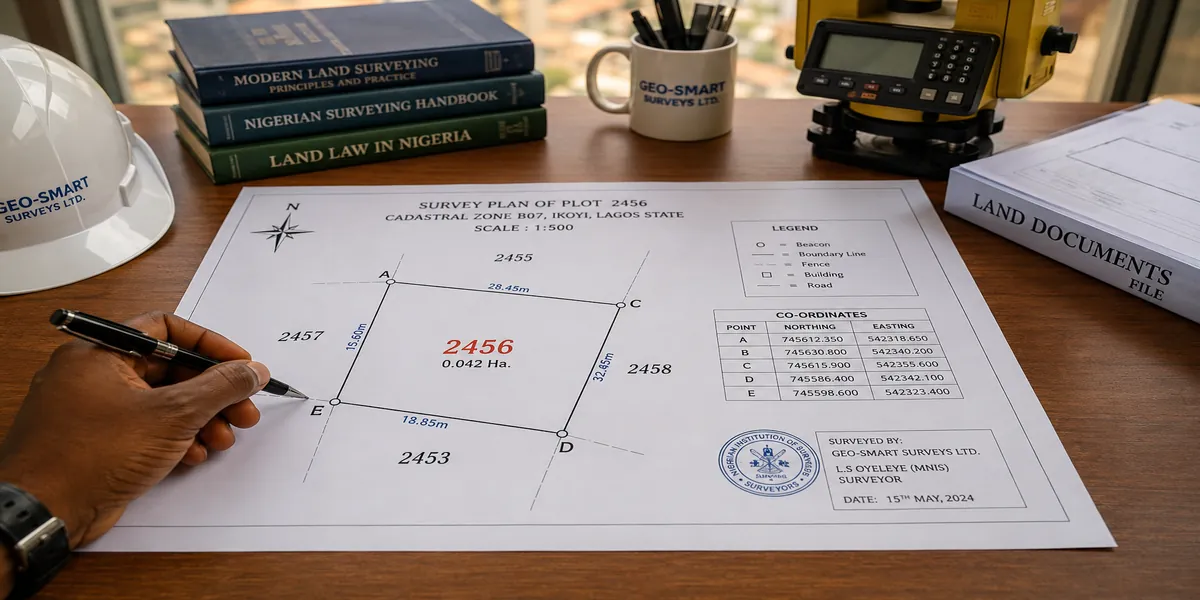
Disputes over land ownership, family land claims, or “omo-onile” interference are a live risk specifically for standalone houses on titled land, and it’s worth keeping your title documents, survey plan, and any land purchase receipts easily accessible not just for a sale, but because a documented, responsive owner deters opportunistic claims far better than an absent one.
Service charge disputes are usually a transparency problem, not a money problem.
Most service charge conflicts I’ve seen in multi-tenant buildings aren’t really about the amount they’re about tenants not knowing where the money goes. A simple, even informal, periodic breakdown (fuel cost, water, security, cleaning) shared with tenants prevents most of this friction before it starts.
Security levies and estate association dues are part of real management cost, not optional extras.
In many Nigerian residential areas, an estate security levy or resident association due is a practical necessity for property protection, and factoring it into your investment numbers rather than treating it as an annoying surprise bill keeps your actual returns realistic.
A Simple Property Management Calendar You Can Actually Follow
Most owners fail at consistency, not knowledge. Here’s a basic rhythm that keeps you ahead of problems instead of reacting to them.
Monthly: Confirm rent received against your tracking sheet; follow up immediately on anything overdue rather than waiting to see if it resolves itself.
Quarterly: Walk the property (or receive a video walkthrough if remote); check on any outstanding maintenance requests; review service charge spending if applicable.
Every 6 months: Full maintenance check roof, plumbing, electrical, water systems, gate/fence/security; review tenant relationship generally (any recurring complaints, any signs of undisclosed issues).
Annually: Review rent against current market rates; renew or reassess tenancy agreements; reconcile full-year income against real costs to know your actual return; confirm all property documentation (title, tax receipts, insurance if applicable) is current and accessible.
Common Property Management Mistakes That Cost Owners the Most
No written agreement, or one that’s too vague to actually settle a dispute this single gap causes more conflict than almost anything else on this list
Treating maintenance as something you do when something breaks, rather than a routine that prevents the breakage
Mixing rental income with personal finances, making it impossible to know your actual return or plan a maintenance reserve
Going straight to self-help eviction instead of the formal legal notice process understandable in frustration, genuinely risky in practice
Managing remotely on trust alone, without formal authority, traceable payments, or a defined emergency protocol
Letting service charge spending stay opaque, which turns a manageable shared cost into the biggest source of tenant conflict
Never reviewing rent against the market, quietly losing income for years out of inertia rather than a deliberate decision to hold pricing steady
Frequently Asked Questions
How do I start managing my rental property if I’ve never done it before?
Start with the foundation: a proper written tenancy agreement, a documented move-in inspection, and a clear rent collection system with a fixed due date. Everything else maintenance routines, inspections, financial tracking builds on top of those three basics.
Should I manage my property myself or hire a property manager?
If you’re local, have reasonable time, and own one or two units, self-management with a good system is usually cost-effective. If you’re managing remotely, own multiple units, or genuinely don’t have the time to respond to issues promptly, a paid agent or caretaker with formal authority is worth the cost the alternative is usually a slowly deteriorating property and strained tenant relationships.
How do I manage an apartment building with multiple tenants fairly?
Keep service charge collection and spending transparent, give every tenant the same standard for maintenance response times, and address disputes between tenants promptly rather than letting them fester most apartment management conflict comes from perceived unfairness, not the actual rules themselves.
What’s the biggest risk in managing property remotely?
Relying on informal trust instead of a formal system no traceable payments, no defined authority for your local contact, no protocol for emergencies. It works until it doesn’t, usually at the worst possible time.
Can I evict a tenant myself if they stop paying rent?
No, not through self-help methods like changing locks or removing belongings this exposes you to real legal risk. The proper route is a formal notice to quit, followed by the legal process for recovery of possession if the tenant doesn’t vacate voluntarily. Start the process early, since notice periods take real time to run.
Final Word
Property management isn’t complicated in theory it’s six functions repeated consistently: the right tenant, reliable collection, proactive maintenance, honest numbers, good communication, and staying inside the law. What actually breaks landlords isn’t a lack of knowledge, it’s inconsistency skipping the inspection this quarter, letting the agreement stay verbal “just this once,” waiting on the maintenance issue because it’s not urgent yet. Build the system once, follow it consistently, and most of what makes property ownership feel overwhelming simply stops happening.
If you’re building or acquiring a property and want it designed with real management in mind from day one proper caretaker access, sensible service infrastructure, security-conscious layout our Services page covers how we support clients through that. Browse our Plans Library if you’re still at the design stage, or visit Plan School to understand the planning and documentation side of ownership. You can also explore more ownership and building guides on our Homepage.
- House and Home: Types of Houses, Homes, House Styles, Home Designs, and Modern House Designs
- Real Estate: How to Invest in Real Estate, Develop Property, and Build a Profitable Property Business
- How Much Does It Cost to Build a House and Develop a Property?
- Can I Change the Use of My Land? Planning Rules and Approval Process
- What Is the Zoning of My Property? How to Check Zoning Before Building
- What Can I Build On My Land? How to Find Out What You Can Build There?
Author
Massodih Okon is a Nigerian built-environment professional with academic and professional experience in urban and regional planning, geography, architectural design, Landscape Design, GIS and land development.
He holds a Master’s degree in Urban and Regional Planning from the University of Uyo and a first degree in Geography and Regional Planning.
Through MassodihPlans, he publishes practical guides on Nigerian house plans, building design, physical planning, site planning, development approval and residential construction. Read the full author profile →