building approval lagos plans
If you are planning to build in Lagos, the fastest way to get your project moving is not to look for shortcuts it is to remove the mistakes that make approvals, corrections and inspections take longer than they should. In this guide, I’ll show you how to fast-track building approval in Lagos legally, properly, from preparing the right documents to reducing avoidable queries before your application reaches authorities.
Here is the part property owners discover too late: planning approval and permission to commence construction are not the same thing. Lagos’ planning-permit process requires specific documentation, while LASBCA requires developers to notify the Agency before construction and obtain the authorization to commence work. Stage inspections are also part of building control.
So, rather than paying someone who promises to “settle” an approval faster, this article focuses on legitimate speed: getting your title documents, survey information, architectural and engineering drawings, reports, professional signatures, fees and paperwork right before submission; checking setbacks, land use, access, drainage and constraints early; responding quickly to queries; and coordinating your architect, town planner, engineers and builder as one team.
I’ll also break down the approval journey in plain language, explain where delays commonly originate, show you what to prepare before submission, clarify what happens after planning approval, and explain the inspections you should expect before and during construction. LASBCA states that construction should not begin until the development permit and authorization process has been completed.
By the end, you’ll have a roadmap for moving from land to lawful construction without gambling your money on shortcuts. And if you are designing a small plot, don’t stop here use our MassodihPlans guides on site analysis, setbacks, house-plan design and building costs to make your project approval-ready from day one.
The Fast-Track Lane Actually Exists Here’s What Qualifies You For It
Most people don’t realize Lagos State built a genuine two-speed system into ePPPS. There’s the standard processing path, and there’s a fast-track pathway targeting permit issuance within 3 working days of submission. The difference between landing in one lane versus the other isn’t luck it’s whether your submission meets specific readiness criteria at the point of upload, not after.
Here’s what I mean concretely. The fast-track lane is designed for applications that pass automated and initial screening cleanly, with no flags requiring human clarification. Every flag a dimension mismatch between your survey and architectural drawings, an unverifiable professional registration number, a missing signature page — bumps your application out of the fast lane and into a manual review queue that operates on entirely different, slower timelines.
The Core Insight Nobody Tells You: Fast-tracking isn’t something you request. It’s something your submission qualifies for automatically, based purely on how clean it is at the moment you upload it. There’s no “expedite” button to click the speed is earned by the completeness of what you send in.
This reframes the entire question. “How do I fast-track my approval” is really “how do I make my first submission qualify for the clean-pass lane” and that’s a genuinely answerable, controllable question, unlike hoping an official processes your file faster out of goodwill.
The rest of this guide walks through exactly how to engineer a submission that qualifies starting with a diagnostic tool I use with my own clients before we ever touch the ePPPS portal.
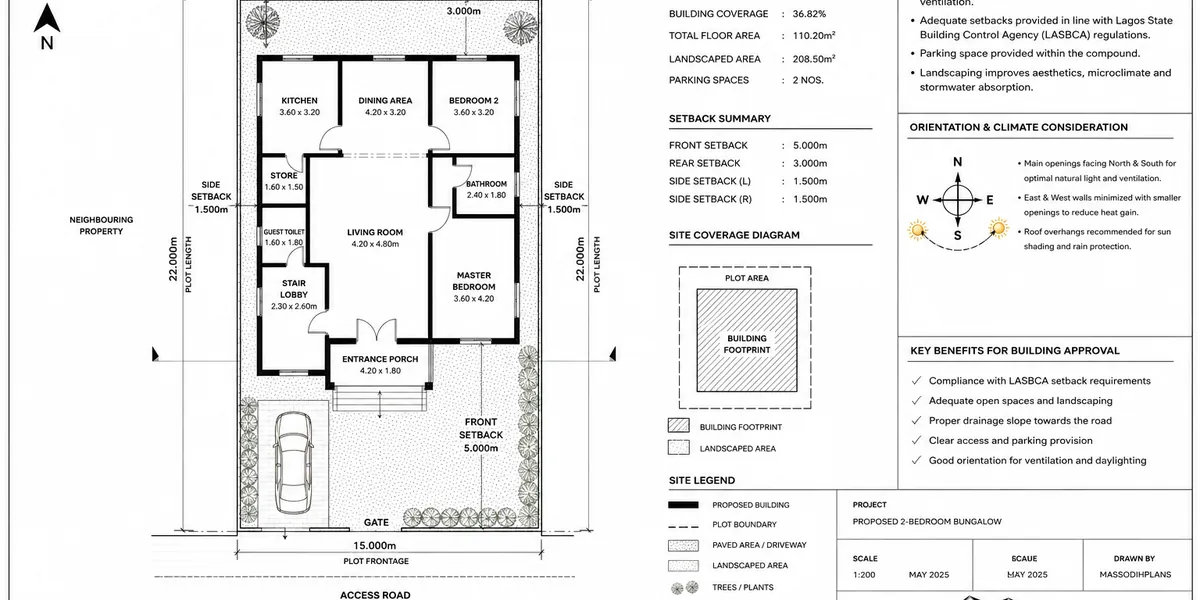
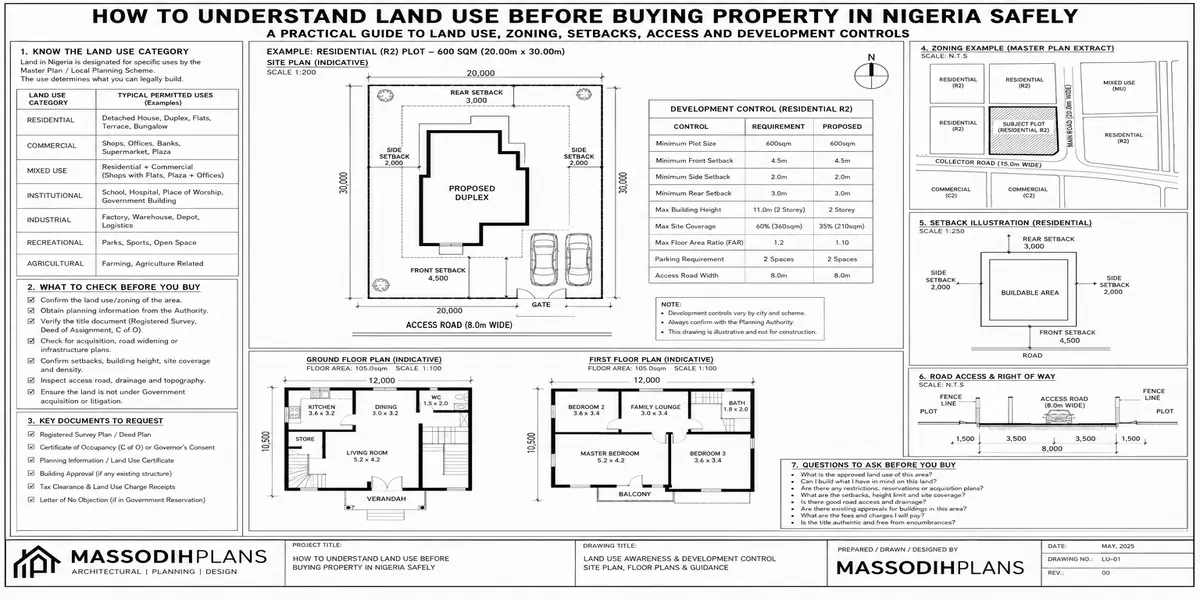
site plan analysis layout
The Fast-Track Readiness Audit: Score Your Application Before You Submit
I built this checklist specifically because “make sure your documents are complete” is advice too vague to act on. Score yourself honestly against each item below before you submit every unchecked box is a genuine, specific risk of getting bumped out of the fast lane.
Dimensional consistency (worth checking three times, not once). Open your survey plan, architectural drawings, and structural drawings side by side. Do the plot boundary dimensions match exactly across all three? Does the building footprint on your architectural drawing match the footprint your structural engineer calculated their loads against? A single figure typed differently across two documents even a genuine typo is enough to trigger manual review.
Fast-Track Readiness Score (Check Each Before Submitting)
☐ Plot dimensions identical across survey, architectural, and structural drawings
☐ Architect’s ARCON registration number verified directly on the ARCON register, not just trusted from their letterhead
☐ Structural engineer’s COREN registration number verified directly on the COREN register
☐ Every drawing sheet bears an original signature and stamp, not a scanned signature reused across sheets
☐ Land title document name matches the applicant’s name exactly, including spelling
☐ Tax clearance certificate is current, not expired at submission date
☐ Building volume calculation and declared zone match what’s on your drawings
☐ Full fee amount confirmed and payment method ready before you submit, not after assessment lands
Registration verification you do yourself, not just trust
Don’t take any professional’s word that they’re registered. ARCON and COREN both maintain public registers. Check the exact registration number on your drawings against the register directly this five-minute check has saved my clients weeks, because an expired or incorrectly transcribed registration number is a genuinely common, entirely invisible-until-rejection problem.
Signature authenticity
A reused, scanned signature across multiple drawing sheets instead of each sheet carrying its own original sign-off is a red flag reviewers are specifically trained to catch, and it’s more common than you’d think when architects rush a large drawing set.
Name consistency
Your land title, your application, and your tax clearance certificate must carry your name identically a middle name included on one document and dropped on another is exactly the kind of small inconsistency that stalls an otherwise perfect application.
Run this audit honestly before you touch the portal. Every item you can’t confidently check is a specific, fixable reason your application would otherwise land in the slow lane. With your submission genuinely ready, let’s talk about something almost nobody discusses: timing your submission strategically.
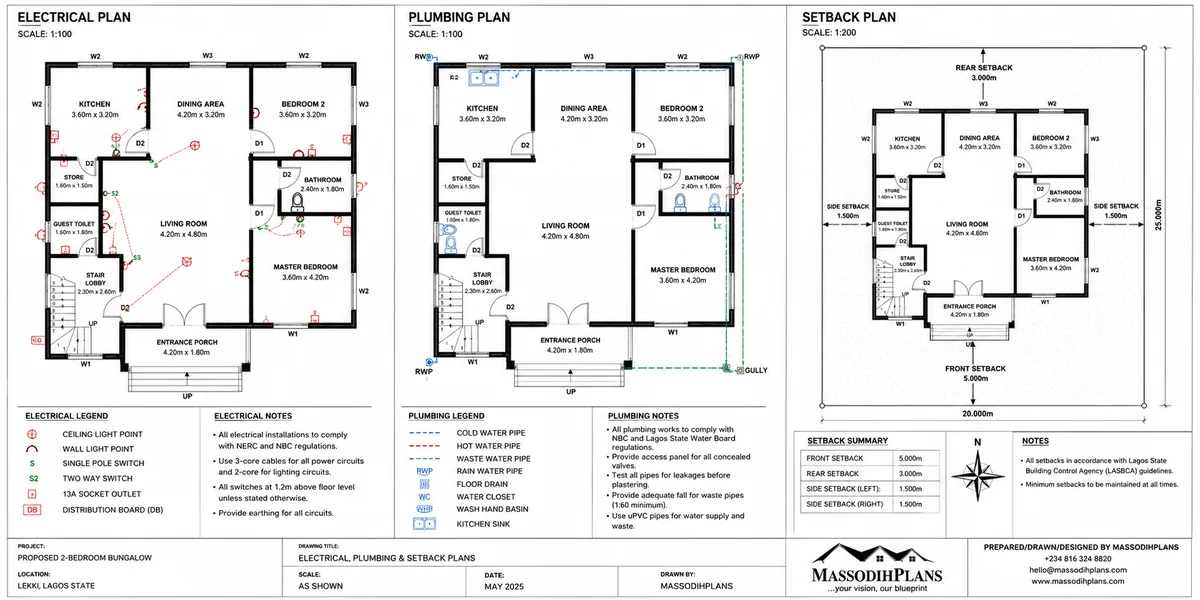
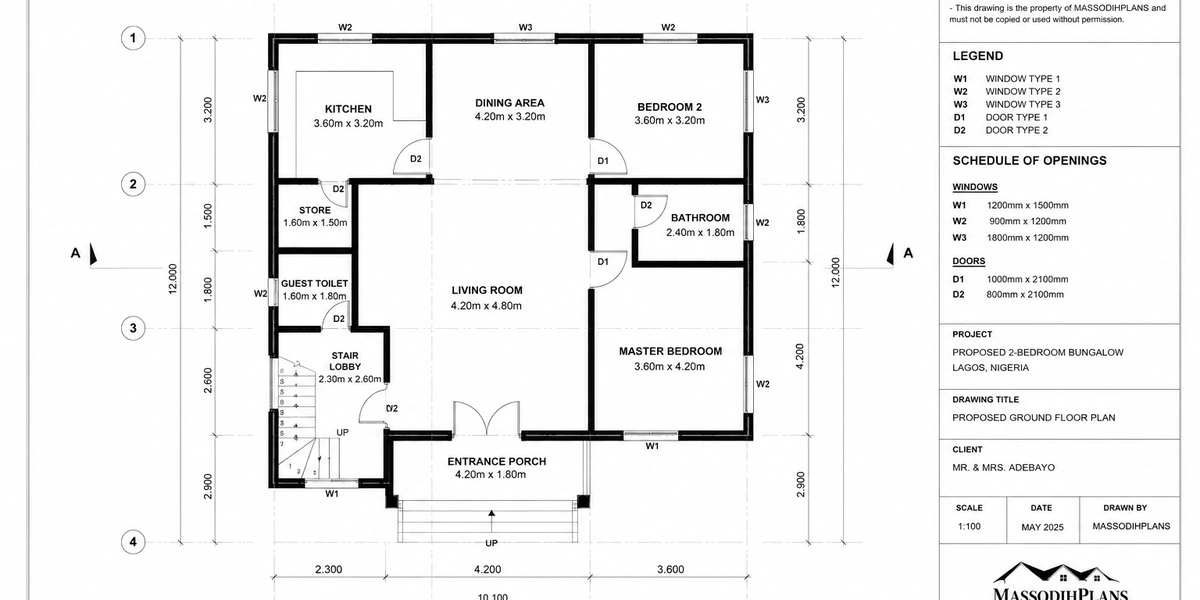
electrical, plumbing, setback plan
Timing Your Submission: The Overlooked Speed Lever
Here’s a genuinely underused lever when you submit matters almost as much as what you submit, because government processing capacity isn’t infinite or evenly distributed.
Avoid submission during known high-volume periods. Building activity in Lagos follows seasonal patterns the run-up to major holidays and the early months of a new year typically see application volume spike, as developers rush to beat rainy-season construction timelines or start fresh-year projects. Submitting during these windows means your genuinely clean application competes for review attention against a much larger queue than usual.
Practical Timing Strategy
If your documentation is ready and your timeline has any flexibility at all, favor submitting outside the January–March rush and outside the pre-rainy-season scramble around April–May. A clean application submitted during a quieter processing window can move through even faster than the standard 3-day target.
Submit early in the work week, not late. Applications submitted Thursday or Friday afternoon often sit until the following week before active review begins, simply due to normal administrative rhythm submitting Monday or Tuesday morning gives your file the maximum runway within a single work week.
Don’t submit incomplete “to hold your place.” I’ve seen applicants submit a partial document set assuming they can add missing items later, hoping to “get in the queue” early. This backfires an incomplete submission gets flagged and effectively restarts your processing clock once corrections are uploaded, rather than holding any genuine queue position.
Coordinate your professionals’ timelines before, not during, submission. If your structural engineer is still finalizing calculations while your architect has already submitted, you’ve created exactly the kind of incomplete, inconsistent submission that guarantees delay. Confirm every professional’s sign-off is genuinely final before anyone touches the upload button.
Timing intelligently costs you nothing extra it’s simply strategic patience applied to a system with predictable rhythms. With timing covered, let’s address a legitimate tool most applicants don’t know exists: engaging accredited professionals the right way.
Working With CAP Agents Legitimately (Not the Same as “Connections”)
I want to draw a sharp, honest line here, because this is exactly where people confuse legitimate speed with illegitimate shortcuts.
Lagos State introduced the CAP (Certified Accreditors Programme) specifically because LASBCA doesn’t have enough personnel to independently screen and inspect every application across the entire state. CAP agents are private-sector professionals architects and engineers accredited by the government specifically to support screening and site inspection capacity within the official system.
What CAP Genuinely Offers
☐ Professional review of your documents against known screening criteria before official submission
☐ Familiarity with common rejection patterns specific to your zone or building type
☐ Faster inspection scheduling during construction stages, since CAP agents supplement LASBCA’s own inspection capacity
☐ A legitimate, government-sanctioned role not an informal facilitator operating outside the system
Engaging a genuinely CAP-accredited professional to review your documentation before submission is fundamentally different from paying an informal “agent” to grease a process outside official channels. One works within the system Lagos State deliberately built to relieve its own capacity constraints; the other creates exactly the liability discussed in our broader Nigeria approval guide an approval with no genuine compliance behind it.
How to verify you’re dealing with a real CAP agent, not someone claiming the title: ask directly for their accreditation reference and confirm it through official Lagos State planning channels rather than simply trusting a business card or a confident claim. This single verification step protects you from exactly the confusion this section exists to clear up.
Engaging a genuine CAP-accredited professional early during document preparation, not as a rescue attempt after rejection is one of the few genuinely legitimate ways to buy real speed, precisely because they catch the readiness-audit failures from section two before a government reviewer ever sees them. With that legitimate channel understood, let’s talk about what to do when, despite everything, your application still stalls.
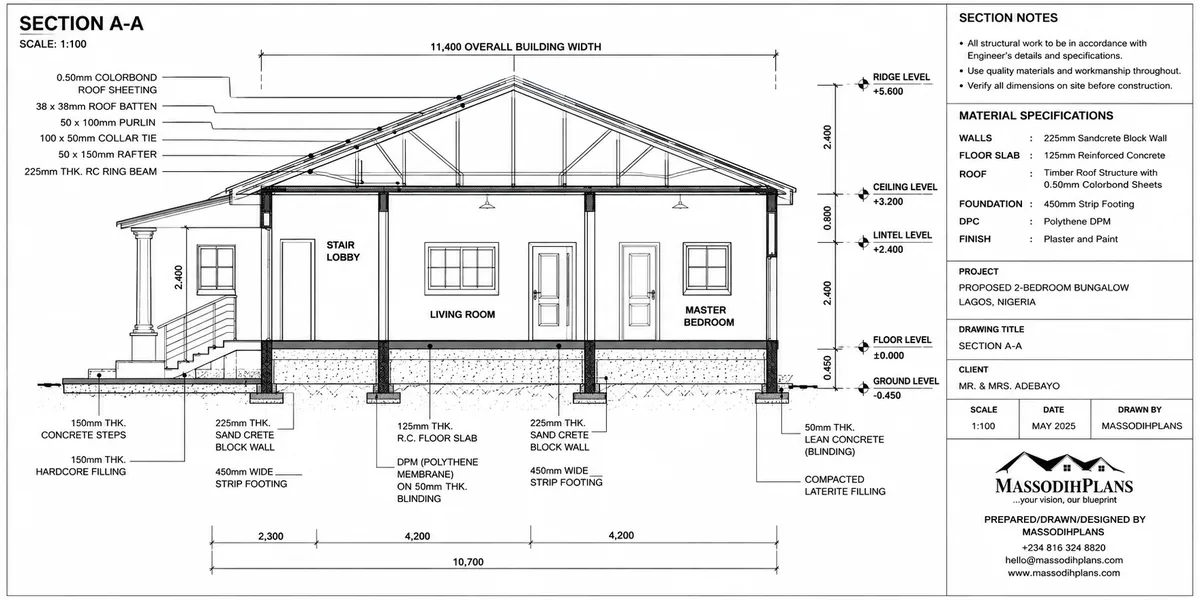
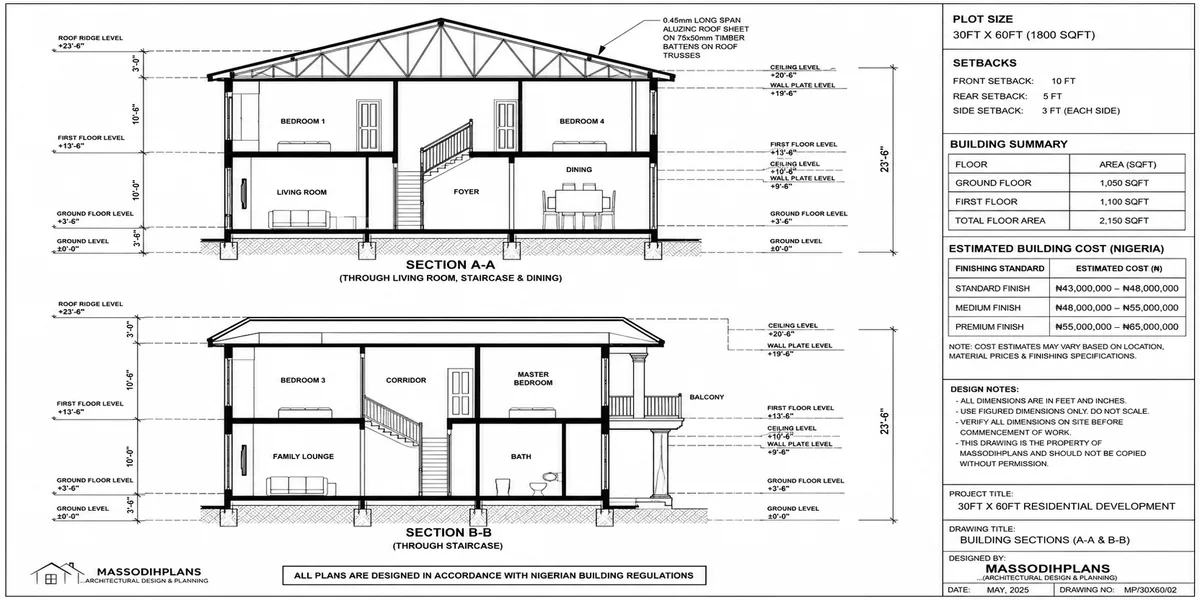
section plan drawing
What To Do When Your Application Gets Stuck (The Escalation Path)
Even a well-prepared application can stall a reviewer backlog, a genuine ambiguity in your zoning classification, a system issue. Here’s how to escalate properly, rather than either waiting passively or panicking into an informal shortcut.
Check your ePPPS status directly first, don’t assume. The platform provides real-time tracking before escalating anything, confirm exactly what stage your application sits at and whether a specific query or correction request has been issued that you simply haven’t seen yet.
Escalation Sequence (In Order)
- Check ePPPS status directly for any pending query or correction request
- Respond immediately and completely to any flagged issue partial responses reset review time
- Contact LASPPPA’s official inquiry channel directly, referencing your application number specifically
- If genuinely stalled beyond reasonable processing time with no query issued, request a status escalation through official correspondence, in writing
- Engage your architect or a CAP-accredited professional to formally follow up on your behalf if personal inquiry hasn’t resolved it
Respond to correction requests completely, the first time
If screening flags an issue, resist the temptation to submit a quick partial fix hoping it’s enough an incomplete response to a correction request often triggers another full review cycle rather than simply resuming from where you left off.
Put escalation requests in writing, referencing your application number
Verbal follow-up, however persistent, is genuinely less effective than a documented, referenced written inquiry it creates a paper trail and forces a specific, trackable response rather than a vague verbal reassurance.
Know when to bring in professional representation
If your application has genuinely stalled well beyond normal processing time with no clear reason given, having your architect or a CAP-accredited consultant formally follow up carries more institutional weight than an individual applicant’s inquiry, simply because they’re speaking the process’s own technical language.
This escalation path resolves genuine stalls through legitimate persistence and documentation never through an informal payment to make a problem “disappear,” which, as covered in our national approval guide, protects nothing and can create real liability later. With escalation covered, let’s address a genuinely different but related question: how to legally structure your project itself to avoid triggering slower review paths in the first place.
Structuring Your Project to Avoid Slow-Lane Triggers
This is a layer almost no guide covers, and it’s genuinely useful: certain project characteristics automatically push an application toward slower, more scrutinized review, regardless of how clean your paperwork is. Understanding these triggers lets you make informed design decisions.
Projects requiring environmental clearance
Larger developments, certain commercial elements, sites near environmentally sensitive areas automatically involve an additional review layer beyond standard residential screening. If your project sits near this threshold, discuss with your architect whether a design adjustment could keep you clearly within standard residential review rather than borderline-triggering additional scrutiny.
Design-Stage Speed Consideration
If speed genuinely matters to you and your project sits near a scale or use-type threshold that would trigger additional review layers, have this conversation with your architect at the concept stage, not after drawings are finalized a modest design adjustment early is far cheaper than discovering a slow-lane trigger after submission.
Estate land requiring a Corporation or developer’s internal clearance
Before state submission as with certain Ogun and Lagos estate schemes adds a genuine sequential step outside ePPPS itself. Confirm this requirement and complete it before your state-level submission, since attempting to submit without it guarantees rejection and restart.
Ambiguous or non-standard zoning classification
A plot sitting near a zoning boundary, or land whose classification isn’t immediately clear from public records genuinely benefits from a pre-submission zoning confirmation inquiry rather than submitting and hoping classification resolves itself favorably during review.
Unusual structural approaches
Genuinely novel foundation systems, non-standard structural spans naturally invite more thorough engineering review than a straightforward, conventional structural design. This isn’t a reason to avoid genuine innovation, but it is a reason to expect and budget extra review time honestly rather than assuming standard timelines apply.
Understanding these triggers means you can make informed trade-offs at the design stage sometimes a small design adjustment buys genuine, meaningful speed without compromising what you actually need from the building. With every legitimate lever covered, let’s close by being explicit about what doesn’t work, because I think you deserve that honesty too.
What Genuinely Does NOT Work (And Why It Backfires)
I want to close this guide by naming the shortcuts people ask me about directly, so you’re not left guessing or tempted by something that quietly damages your project.
Paying to skip screening entirely doesn’t produce a real approval. If your structure doesn’t actually comply with zoning, setback, or structural safety requirements, no informal payment changes that underlying reality it simply defers the problem to a future inspection, a resale due-diligence check, or worse, a structural issue, at a cost far exceeding whatever the shortcut seemed to save.
The Honest Trade-Off
Legitimate speed (readiness audit, timing, CAP engagement, escalation) → costs you preparation time and discipline, produces a genuine, durable approval
Illegitimate “speed” (informal payment to bypass review) → costs you money now, produces no real compliance, creates hidden liability that can surface at any future point resale, mortgage, inspection, or structural stress
Submitting to an unofficial or manual channel doesn’t work anymore. As covered in our Lagos approval guide, manual processing has been formally discontinued and is treated as illegal since ePPPS became mandatory anyone offering to process your application outside the platform is offering you something Lagos State has explicitly stated it won’t recognize.
Claiming false urgency or fabricated circumstances to pressure faster review doesn’t accelerate a genuinely queued technical review process, and it damages your credibility with the reviewing office for any future correspondence on the same application.
Submitting the same application repeatedly hoping for a different reviewer wastes your own time more than it helps the readiness issues flagged in section two will resurface regardless of which reviewer touches your file, since the underlying documentation gap hasn’t changed.
The genuine, durable path to a fast Lagos approval is exactly what this guide has walked you through: a readiness-audited submission, strategic timing, legitimate professional support where it adds real value, and documented escalation when something genuinely stalls. It’s less dramatic than a shortcut promise, but it’s the only version of “fast” that actually holds up once your building is standing and someone a bank, a buyer, an inspector eventually looks closely at how it got approved.
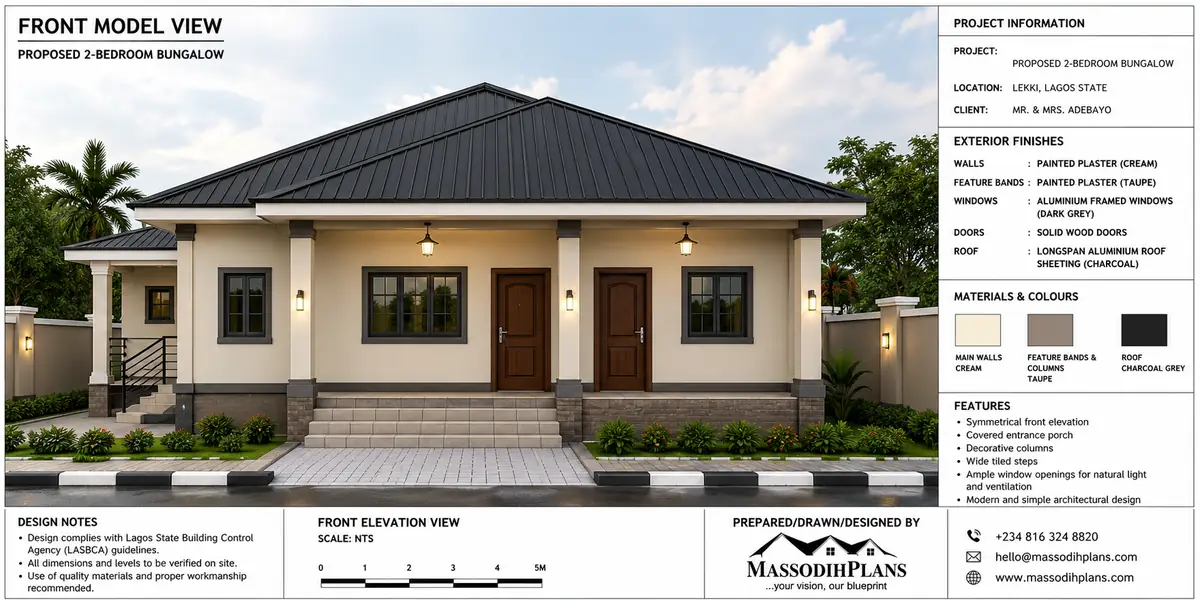
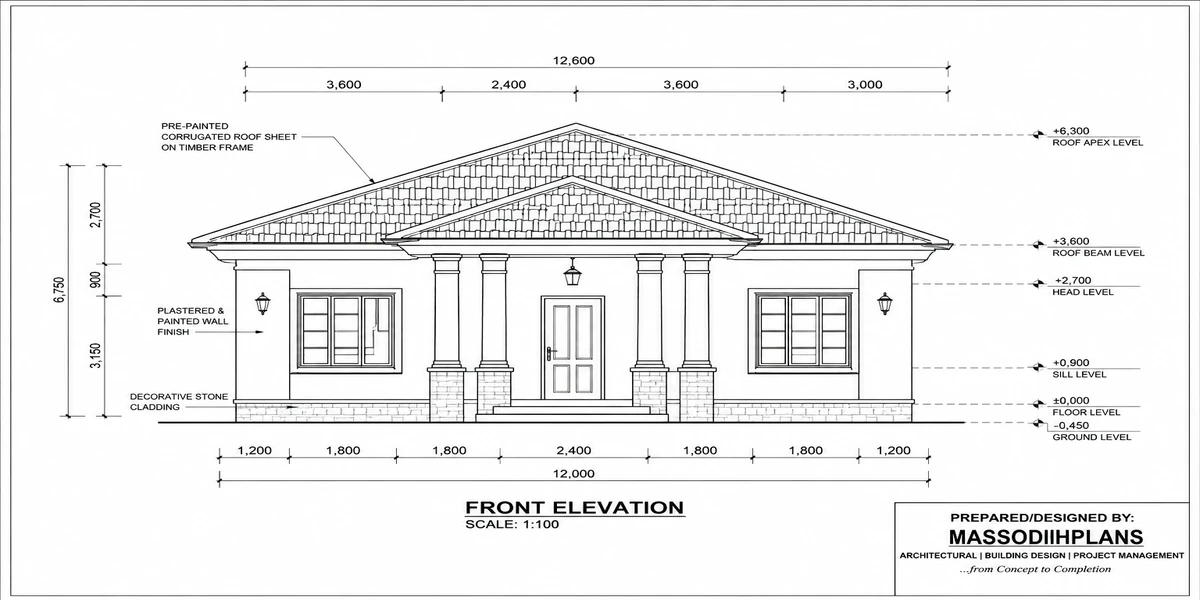
front model view drawing
If you want your specific project audited against this readiness framework before you submit, our Services page connects you directly with our team. For the fuller picture on documents, fees, and the ePPPS process itself, see our Lagos building plan approval guide, and for approval realities across other Nigerian states, our Nigeria house plan approval costs guide is worth reading too. To explore house plans already designed with clean, approval-ready documentation in mind, browse our Plans Library, or return to our Homepage for more guides like this one. please read the following to complete this lesson:
- Building Legally in Lagos: Complete Guide to Planning Approval, Permits, Inspections, and Construction Rules
- What Lagos Government Says About Manual Building Permit Processing: Current Rules, Applications, and Alternatives
- Why Building Approval Gets Delayed in Lagos: Common Rejection Problems and How to Get Your Plans Approved
- Lagos ePPPS Explained: Complete Guide to the Online Planning Permit System, Application, Fees, and Approval
- How to Apply for Building Approval Online in Lagos Using ePPPS: Complete Step-by-Step Application Guide
- How Long Does Building Approval Take in Lagos? Complete Timeline From Application to Final Permit Approval
- Lagos Building Approval Documents: Complete Checklist of Survey, Title, Drawings, Tax Clearance, and More
- How Much Is a Building Permit in Lagos State? Complete Current Fee and Approval Cost Guide for Developers
- Building Plan Approval Cost in Lagos: Complete Guide to Official Fees, Assessments, and Extra Charges
- Detached House Building Cost in Lagos: Complete Landed Property and Construction Budget Planning Guide
- 4 Bedroom House Construction Cost in Lagos: Standard, Mid-Range, and Luxury Building Budget Explained
Author
Massodih Okon is a Nigerian built-environment professional with academic and professional experience in urban and regional planning, geography, architectural design, Landscape Design, GIS and land development.
He holds a Master’s degree in Urban and Regional Planning from the University of Uyo and a first degree in Geography and Regional Planning.
Through MassodihPlans, he publishes practical guides on Nigerian house plans, building design, physical planning, site planning, development approval and residential construction. Read the full author profile →