I Need a Real Estate Agent to Help Me Buy a Property in Nigeria Safely
Let me guess. You typed something like “real estate agent near me” or “buyer’s agent near me” into Google, half expecting a list of five-star profiles, and instead you’re two hours deep into articles that all say the same three things: interview a few agents, check their reviews, ask about experience. True, but useless on its own, because it doesn’t tell you what to actually listen for when they answer.
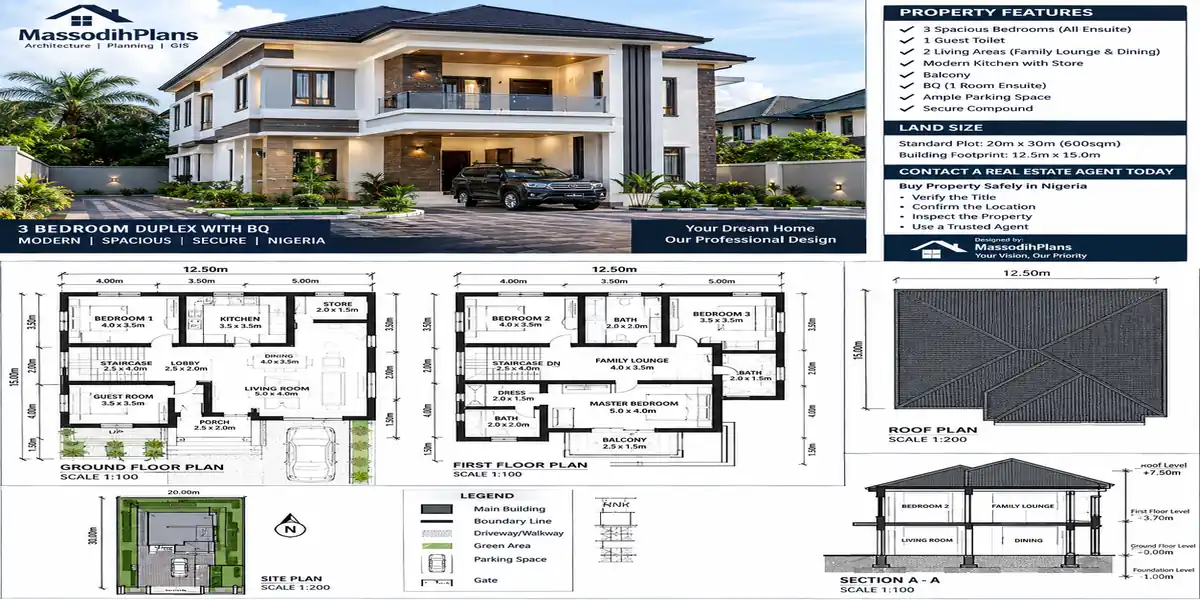
I’m not a real estate agent. I’m a planner, and I’m writing this because of a pattern I see constantly on the other end of the transaction people who found a perfectly good agent, bought a perfectly good piece of land or house, and then called me sounding lost, asking some version of “okay, now what do I actually build here?” That question is the one this whole industry skips, and it’s the reason this article exists in a form you won’t find anywhere else: everything you need to actually hire the right agent, plus the part that comes right after, which almost nobody connects to the search you just typed.
First, Let’s Sort Out What You’re Actually Looking For
“Realtor,” “real estate agent,” “buyer’s agent,” “property agent,” “broker” people use these words like they’re interchangeable. They’re not, and knowing the difference changes who you should be calling.
Real estate agent
Is the general term someone licensed to represent buyers or sellers in a property transaction. Every Realtor is a real estate agent, but not every real estate agent is a Realtor.
Realtor
(capital R, and yes, it’s actually a registered trademark) specifically means a real estate agent who is a member of the National Association of Realtors and has agreed to its Code of Ethics. This distinction is mostly a US/Canada thing if you’re searching “Realtor near me” outside North America, you’re really looking for a licensed real estate agent under whatever your local licensing body is called.
Broker
Usually means someone with a higher level of licensing than a standard agent enough to run their own brokerage or supervise other agents. A “real estate broker near me” search often turns up the same people as “real estate agent near me,” just with more paperwork authority behind their name.
Buyer’s agent
Is where things actually matter for you specifically. This is an agent whose legal duty is to you, the buyer not to the seller, and not to “the deal.” A listing agent works for the seller and is legally obligated to get the seller the best price and terms. If you walk into a house tour without your own buyer’s agent, the agent showing you around often works for the seller, even if they’re being friendly to you.
Property agent
Is the term you’ll hear more in the UK, Singapore, Malaysia, and parts of Africa and Asia functionally the same role as a real estate agent, just regional naming.
If you only take one thing from this section: when you search “buyer’s agent near me,” you are specifically looking for someone whose job is to protect your interests, not the seller’s. That distinction is worth more than any five-star rating.
Before your first call with anyone, decide whether you want a buyer’s agent specifically, or just “an agent.” If you’re buying not selling always ask directly: “Will you be representing me as my buyer’s agent, or are you the listing agent for this property?” A confident, immediate answer is a good sign. Hesitation is not.
Why “Near Me” Searches Give You the Wrong List Half the Time
Google’s “near me” results are ranked heavily on proximity and review volume, not on who’s actually good at protecting a buyer’s interests. That means your top results for “real estate agent near me” or “property agent near me” are often the agents who spend the most on ads and reviews, not the ones best suited to your specific purchase.
Here’s a better way to actually search:
- Add your specific need to the search “buyer’s agent near me for land purchase,” “real estate agent near me first time buyer,” “property agent near me for [specific neighborhood]” generic searches return generic agents.
- Cross-check any name that comes up against your local licensing board’s public register, not just their Google reviews. Every legitimate jurisdiction has one, and it takes two minutes to confirm a license is active and unblemished.
- Ask people who bought in the last twelve months, not five years ago. Markets, agents’ workloads, and even licensing rules change fast enough that an old recommendation can steer you toward someone who’s since gotten sloppy, overbooked, or left the business.
- Call the agent directly before reading a single review. A five-minute phone call tells you more about how someone will treat you mid-transaction than fifty written reviews will.
The NAR Settlement Changed How Buyer’s Agents Get Paid And Most Buyers Still Don’t Know It
If you’re buying in the US, there’s a specific, recent change that affects you directly and that most “how to find a real estate agent” articles haven’t caught up on properly.
Following a 2024 antitrust settlement, real estate agents working on properties listed through an MLS are now required to sign a written buyer representation agreement with you before touring any home, and that agreement must clearly state how much the buyer’s agent is paid and who’s paying it. Sellers are no longer automatically on the hook for the buyer’s agent’s commission the way they used to be that fee is now a direct, negotiable conversation between you and your agent, not something buried and assumed inside the deal.
Practically, this means:
- You will be asked to sign something before an agent takes you to view homes. That’s not the agent being pushy it’s now a requirement.
- Read that agreement fully before signing. It should specify the exact fee or rate, how it’s calculated, and confirm the fee is negotiable, not fixed.
- Ask directly whether the seller is offering any buyer-agent compensation on a given property, and if not, understand clearly what that means for what you’ll personally owe at closing.
- Get more than one agent’s fee structure before committing. Flat-fee and reduced-commission buyer’s agents are legitimate options now in a way the old system discouraged.
Never sign a buyer representation agreement on the spot during a first meeting. Take it home, read every line, and confirm you understand exactly what you owe and under what conditions before you commit to working exclusively with that agent.
Questions to Ask Before You Hire Anyone
Skip the generic “how many years of experience do you have” question every agent has a rehearsed answer for that one. Ask these instead:
- “Will you be my buyer’s agent specifically, and can you show me the written agreement before we tour anything?”
- “How many transactions have you closed in this specific area in the last twelve months?” not lifetime numbers, recent and local.
- “What happens if I want to end our agreement early?” a good agent has a straightforward answer; a defensive one is a warning sign.
- “Walk me through how you handle it if you find problems with a property I like do you tell me, or do you talk me past it?”
- “Can you connect me with two recent buyer clients I can actually call?” not just written testimonials, real phone numbers.
- “What do you personally check before I make an offer title, survey, zoning, encumbrances and what do you leave to me?”
That last question matters more than people realize, and it leads directly into the next section.
What a Genuinely Good Agent Does That Most Don’t Bother With
A lot of agents will find you a property, negotiate a price, and walk you to closing. Fewer will actually protect you from the problems that don’t show up on a nice listing photo:
Title verification confirming the seller actually has clear legal right to sell, with no undisclosed liens, disputes, or competing claims
Survey confirmation verifying the plot’s actual boundaries match what’s being sold, since boundary disputes after purchase are expensive and slow to resolve
Zoning and land use check confirming what you’re legally allowed to build or do with the land, which matters enormously if you’re buying with a specific plan in mind
Encumbrance check confirming there’s no existing mortgage, easement, or legal restriction attached to the property that wasn’t disclosed upfront
Neighborhood infrastructure reality actual road access, drainage, water and power reliability, not just what the listing claims
An agent who does all of this is worth more than one who simply has the most polished online profile. If your agent can’t clearly explain how they handle even half of this list, that’s information, not just an oversight.
The Question Nobody Selling You a Property Will Answer: “What Do I Actually Build Here?”
This is the part of the process that gets completely dropped, and it’s the reason I’m the one writing this article instead of a real estate blog.
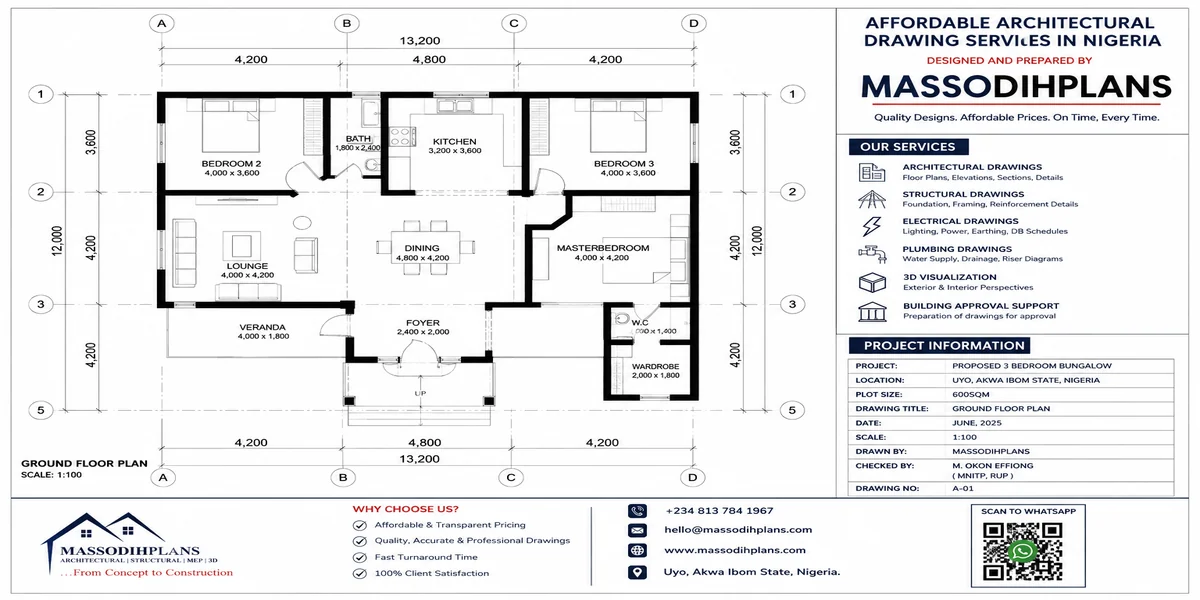
Say everything above goes right. You found a solid buyer’s agent, the title’s clean, the survey checks out, zoning allows residential use, and you close on the land. Congratulations and now you’re staring at an empty plot with genuinely no idea what to build on it. This isn’t a small side problem. It’s one of the most common calls I get, and it happens because a real estate agent’s job legally and practically ends at the sale. Nobody in that transaction is responsible for helping you figure out what comes next.
Here’s a straightforward way to think through it, so you’re not stuck:
Start with what the land will actually allow, not what you saw online.
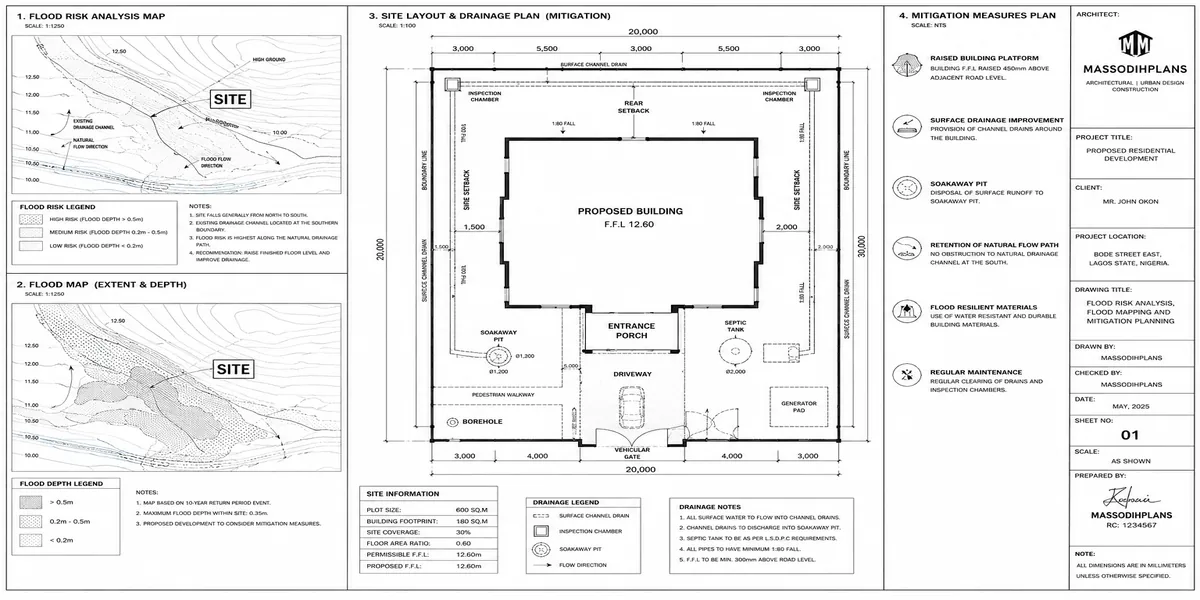
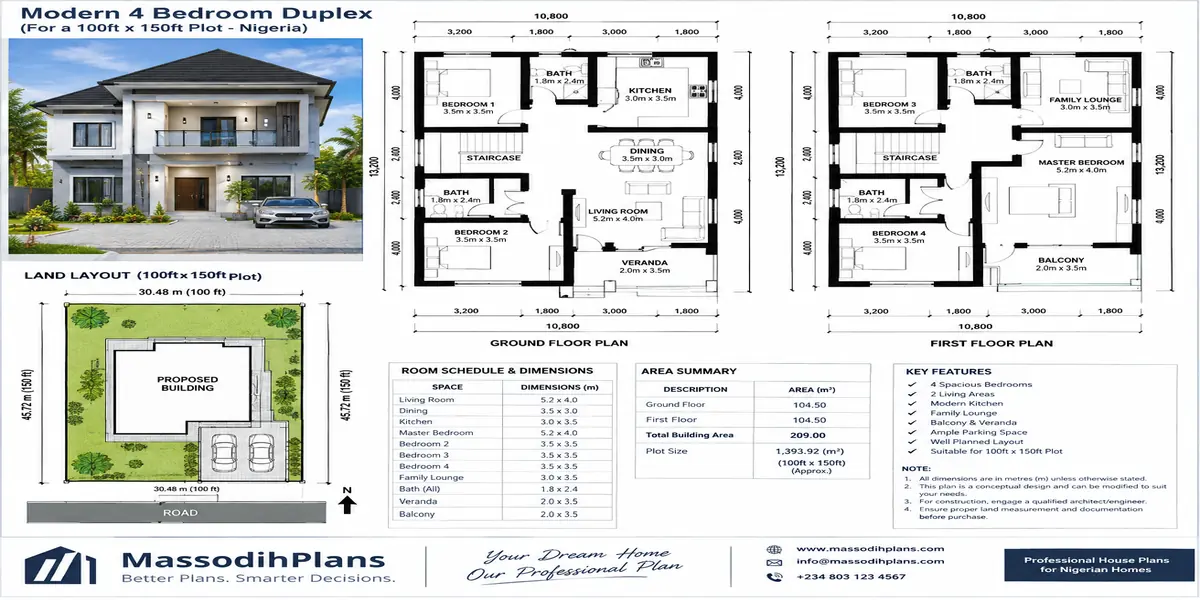
Your plot’s size, shape, soil condition, and zoning classification determine what’s realistically buildable long before style or taste enter the conversation. A stunning design you found online may simply not fit your plot’s dimensions or your area’s setback rules.
Match the house plan to your household, not a trend.
How many people will actually live there, do you need room to grow, do you entertain often, do you need a home office these questions should shape the floor plan choice more than any photo you’ve saved.
Get the soil and survey information to your designer, not just your agent.
The same title and survey documents your buyer’s agent helped confirm are exactly what an architect needs to check whether a specific house plan is even structurally appropriate for your soil and plot shape.
Decide your budget ceiling before falling in love with a design.
A house plan chosen before a realistic budget conversation is one of the most common reasons construction projects stall halfway.
Get the plan reviewed and adapted for your specific site
Rather than building a generic downloaded plan unmodified. Orientation, drainage, and climate response all need adjusting per plot, even when the base design is solid.
This is precisely the gap between buying and building, and it’s why I’d genuinely encourage anyone closing on land with construction plans to line up an architect around the same time they line up their buyer’s agent not months later once the land is already paid for and the clock is already running on financing.
Ask your buyer’s agent, before you close, for the full soil report, survey plan, and zoning classification documents not a summary, the actual documents. Hand these directly to whoever designs your house plan. This single habit saves weeks of back-and-forth after closing.
Working With an Agent and a Designer at the Same Time
Most buyers treat “find an agent” and “figure out what to build” as two completely separate, sequential projects, months apart. They don’t have to be.
- Bring your rough house-plan idea (bedroom count, must-haves, budget) to your buyer’s agent before you start touring land this helps them filter out plots that technically meet your criteria but wouldn’t actually support what you want to build.
- Ask your agent directly whether they’ve worked alongside architects or designers before, and whether they can share which plots in their listings have zoning or soil issues worth flagging early.
- If you already have a preferred house plan in mind, get a soil test and setback check done on any serious land candidate before you finalize the purchase, not after this can be arranged in parallel with your agent’s due diligence, not as a separate delayed step.
Real Estate Terminology by Region (So You Search the Right Term)
| Term You’re Searching | US/Canada | UK | Nigeria | Singapore/Malaysia | Australia |
|---|---|---|---|---|---|
| General licensed representative | Real estate agent | Estate agent | Estate surveyor and valuer / property agent | Property agent | Real estate agent |
| Trademarked professional body member | Realtor | — | — | — | — |
| Represents you as buyer specifically | Buyer’s agent | Buying agent | Property consultant (buyer-focused) | Buyer’s agent | Buyer’s agent |
| Higher-licensed supervisory role | Broker | — | Registered estate surveyor and valuer | — | Licensed real estate agent (broker equivalent varies by state) |
If you’re searching from Nigeria specifically and typing “real estate agent near me,” you’re often looking for either an estate agent or a registered estate surveyor and valuer, depending on whether you want someone who simply connects buyers and sellers or someone qualified to also handle formal property valuation.
Red Flags Worth Walking Away From
- Refuses to put anything in writing before you tour properties
- Pushes you toward a decision on a tight, artificial deadline
- Can’t or won’t explain how they’re compensated in plain terms
- Discourages you from getting an independent survey, soil test, or legal review
- Has no recent, verifiable local transactions you can check
- Talks over your specific criteria and keeps redirecting you toward listings outside what you asked for
Frequently Asked Questions
What’s the real difference between a real estate agent and a Realtor?
Every Realtor is a licensed real estate agent, but the Realtor title specifically requires membership in the National Association of Realtors and agreement to its Code of Ethics a distinction that mainly applies in the US and Canada.
Do I actually need a buyer’s agent, or can I just work with the listing agent?
You can work with the listing agent, but they’re legally representing the seller’s interests, not yours. A dedicated buyer’s agent’s job is specifically to protect you in the negotiation.
How do buyer’s agents get paid now?
In the US, following 2024 settlement changes, buyer’s agent compensation must be disclosed in a written agreement signed before touring homes, and it’s negotiated directly between you and your agent rather than automatically bundled into the seller’s costs.
I already bought the land is it too late to get design help?
Not at all. It’s actually the most common point at which people reach out for architectural help, and getting your soil, survey, and zoning documents to a designer immediately is the fastest way to move forward confidently.
Should I hire an architect before or after buying land?
Ideally around the same time. Bringing rough house-plan requirements to your buyer’s agent before touring land helps filter out plots that won’t actually support what you want to build, saving you from buying land that later turns out to be a poor fit.
Where This Leaves You
Finding the right agent solves the buying half of the problem. It was never going to solve the other half knowing what to actually build once the land is yours and that’s exactly the gap this guide was written to close, because it’s the one question I get asked most often by people who did everything else right.
If you’re at the “I own the land now, what do I build” stage, browse our Plans Library for house plans you can match against your actual plot size and zoning, or visit Plan School to learn how to read a plan and confirm it genuinely fits your site before you commit to it. If you want direct support turning your specific land and budget into a buildable design, our Services page outlines how we work with clients from site documents to approved plan. You can also explore more land-to-building guides on our Homepage.
Related Articles to help you
- Property for Sale in Nigeria: The Buyer’s Guide Nobody Publishes Today
- How Do I Get Natural Ventilation? Best Ways to Improve Airflow at Home
- Where Should My House Face? Best Direction for Sun, Wind and Comfort
- I Can’t Understand or Visualize My Floor Plan — Let’s Fix That Right Now
- How to Analyse a Property Location Before Buying Land in Nigeria Today
- How to Read a Satellite Image Before Buying Land in Nigeria: Full Guide
- How to Understand Land Use Before Buying Property in Nigeria Safely
- How to Choose the Right Residential Location in Abuja Before You Build (20 Best Areas Ranked for Buildability)
- How to Choose the Right Residential Location in Lagos Before You Build
Author
Massodih Okon is a Nigerian built-environment professional with academic and professional experience in urban and regional planning, geography, architectural design, Landscape Design, GIS and land development.
He holds a Master’s degree in Urban and Regional Planning from the University of Uyo and a first degree in Geography and Regional Planning.
Through MassodihPlans, he publishes practical guides on Nigerian house plans, building design, physical planning, site planning, development approval and residential construction. Read the full author profile →