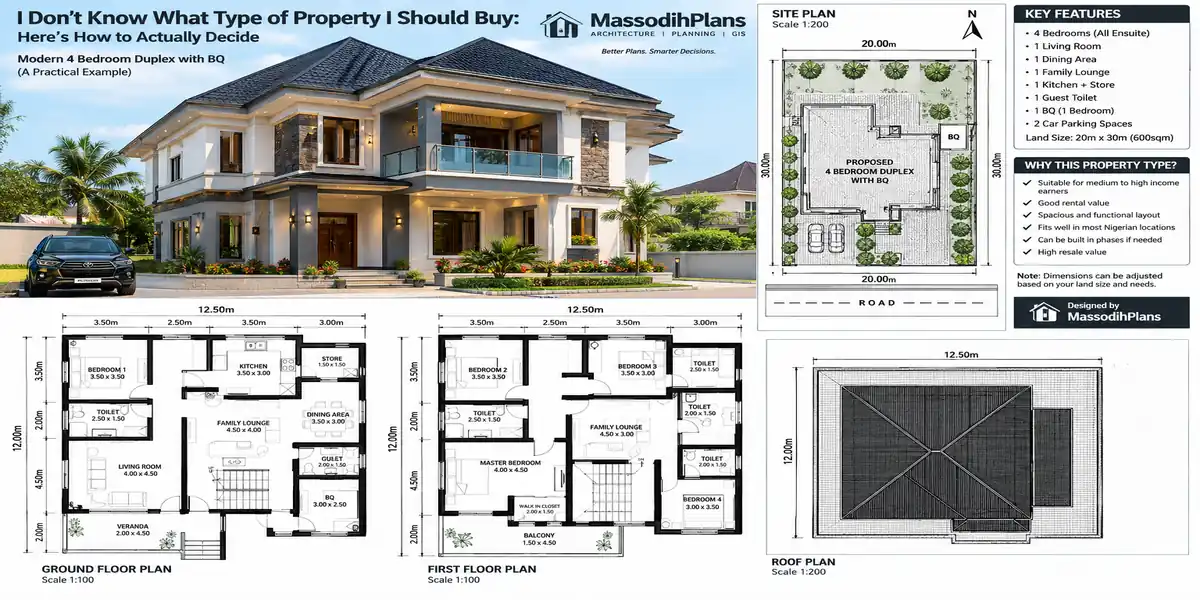
I Don’t Know What Type of Property I Should Buy: Here’s How to Actually Decide
A client sat across from me a few months ago and said something I hear constantly, in slightly different words: “Massodih, I have the money. I just don’t know what to buy.” Not “I can’t afford anything.” Not “I don’t understand real estate.” Just too many options, no clear way to choose between them, and a quiet fear of picking wrong with money that took years to save.
If that’s you right now, I want to tell you something before we go any further: the confusion isn’t because you’re bad at this. It’s because almost everything written on this topic gives you generic pros-and-cons lists “houses have more space, apartments have less maintenance” and expects that to help you make a six or seven-figure decision. It won’t. What actually helps is working through your own specific situation against the right questions, in the right order. That’s what we’re doing here, properly, the way I’d sit down and do it with an actual client or student.
Start Here: This Isn’t One Decision, It’s Four
The reason “what property should I buy” feels so overwhelming is that it’s not actually one question. It’s four separate decisions stacked on top of each other, and most articles blur them together:
- Property form house or apartment
- Acquisition route land, an existing house, or an apartment unit
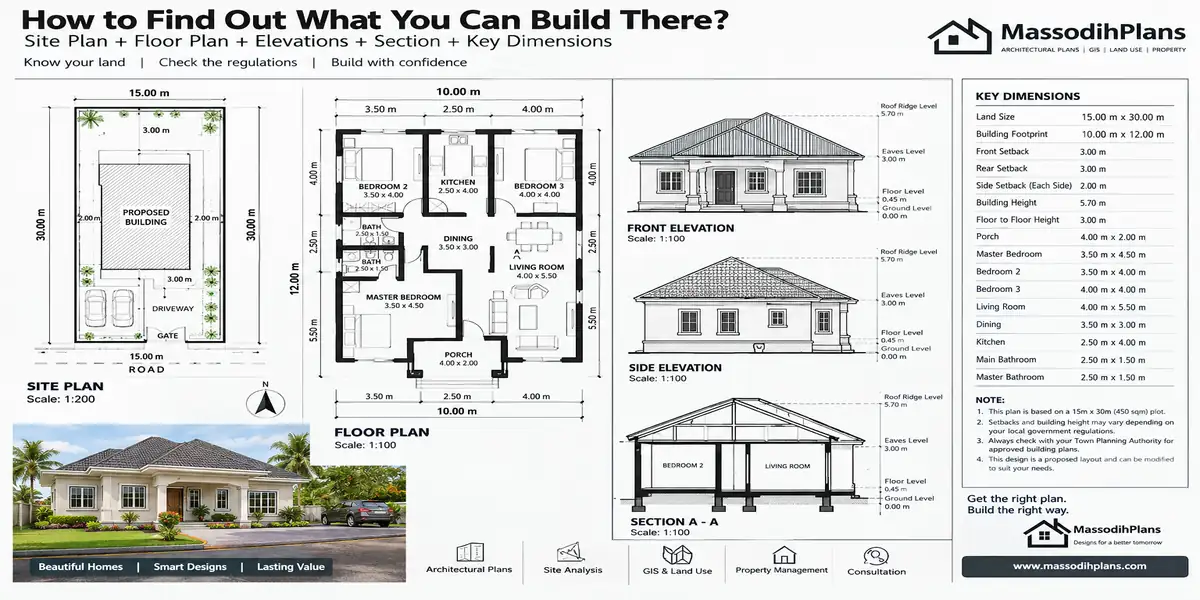
- Building type if it’s a house, bungalow or duplex
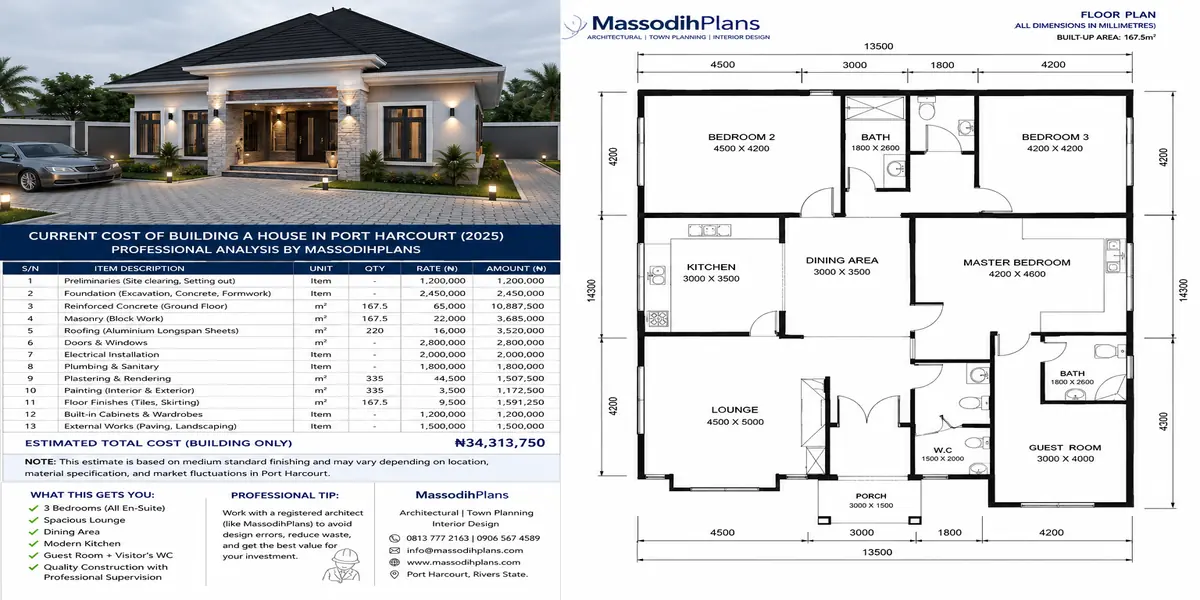
- Delivery method buy something already built, or build it yourself
You can’t answer “what should I buy” until you’ve separated these four decisions and answered each one deliberately. Most people get stuck because they’re trying to answer all four at once, in their head, while scrolling property listings at 11pm. Let’s take them one at a time.
Print or write out these four questions separately before you look at a single property listing. Answering them in isolation, without a specific house or agent’s pressure in front of you, gives you a much clearer head than trying to decide “on the spot” during a viewing.
Decision One: House or Apartment
This is usually the first fork in the road, and it’s really a lifestyle question wearing a financial disguise.
Choose a house if:
- You want control over what you can build, extend, or change without asking anyone’s permission
- You value privacy over convenience your own compound, your own gate, your own rules
- You have (or plan to have) children who need outdoor space, or you keep animals, or you simply want a garden
- You’re building wealth across generations a house on titled land is the asset most Nigerian families still pass down
- You don’t mind handling your own security, water, and power arrangements directly
Choose an apartment if:
- Your work or lifestyle demands flexibility you might relocate for a job in a few years
- You want shared security, shared maintenance, and less personal responsibility for the building’s upkeep
- You’re single, a young couple without children yet, or an empty-nester who no longer needs a large compound
- Location matters more to you than space apartments often sit closer to city centers where standalone land is scarce or unaffordable
- You want a lower entry cost into property ownership without land acquisition complications
Here’s what nobody tells you plainly: an apartment is rarely a smaller house. It’s a genuinely different way of living shared walls, shared decisions (service charges, estate rules you don’t control alone), and usually a shorter practical lifespan before major structural renewal is the building’s problem, not yours to fix. A house is the opposite: full control, full responsibility. Neither is “better.” One fits how you actually want to live; the other doesn’t.
Decision Two: Buy Land or Buy a House
This is where I see the most expensive mistakes happen, because people choose based on price alone without understanding what they’re actually trading.
Buying land and building later means:
- You control the design completely the house becomes exactly what you and your family need, not what a previous owner or developer decided
- You typically pay less upfront for the land than you would for a finished house of equivalent value, but you carry construction risk, timeline risk, and price inflation risk between now and completion
- You need patience. Land-to-house is rarely fast between approvals, funding stages, and construction phases, most self-build projects take twelve to twenty-four months minimum from a cleared plot to a move-in-ready home
- Land title verification becomes your single most important task more on this below, because it’s the part almost nobody explains properly
Buying an already-built house means:
- You know exactly what you’re getting, today, at today’s price no construction risk, no waiting
- You inherit someone else’s design decisions, and changing a finished house’s layout is far more expensive than designing it right the first time
- You need a proper structural and condition inspection before committing, because a beautifully finished house can hide serious problems behind fresh paint
- You skip the entire building-plan, approval, and construction management process which is either a relief or a loss, depending on how much you actually wanted control over the outcome
Land title problems are the single most common way Nigerians lose money in property. Before you pay anything, confirm the land has a genuine Certificate of Occupancy or a clear, verifiable root of title not just a “receipt” from a community head or an omonile (traditional family land seller). Conduct an official search at the relevant State Lands Registry, and never rely solely on the seller’s documents without independent verification. Family land disputes, government acquisition without compensation, and multiple sales of the same plot to different buyers are real, recurring risks a legal search costs far less than losing the entire plot years later.
Decision Three: Bungalow or Duplex
Once you know you want a house, this is the next real fork and it’s more about land size and family stage than most people realize.
A bungalow makes sense when:
- Your plot is smaller, or you’d rather not spend on a staircase, extra structural work, and the higher foundation cost a two-storey building demands
- You have elderly parents living with you, or you personally want to avoid stairs long-term this matters more than people admit until they’re the ones climbing stairs at 65
- You want lower structural and roofing cost per square metre of usable space, since a bungalow’s single roof covers its entire footprint efficiently
- Your household is smaller, or you’re building for now with room to add a second unit or extension later rather than a full storey building
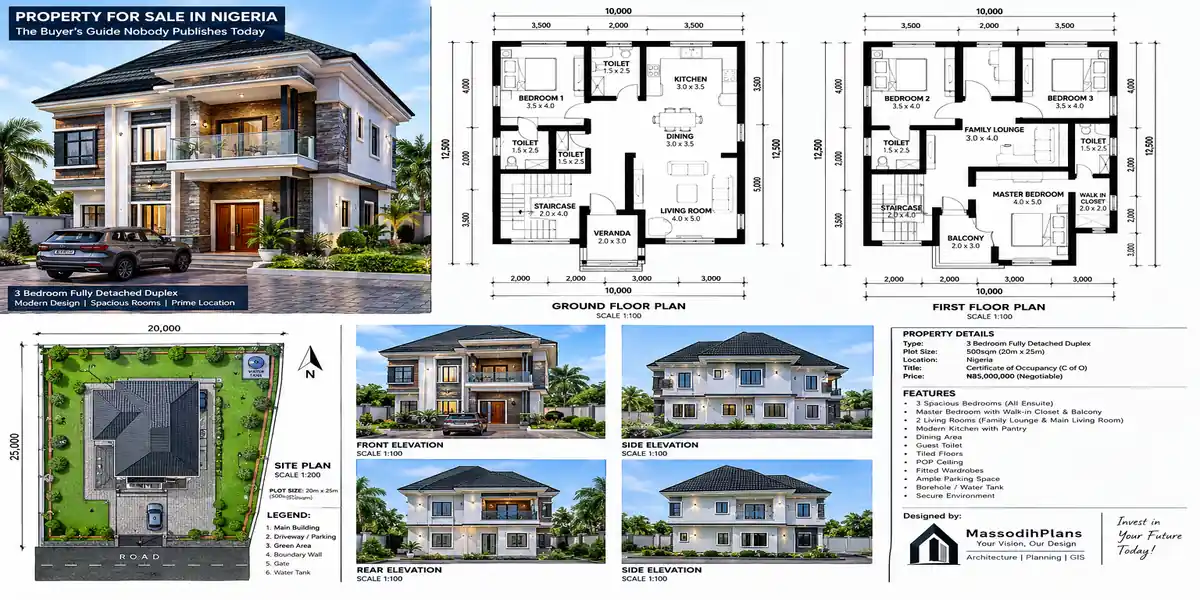
A duplex makes sense when:
- Your plot is smaller than you’d like relative to the space you need, and building upward is how you get the square metres your family requires
- You want a natural separation between public/entertaining space (ground floor) and private/sleeping space (upstairs) genuinely useful once children are older or you regularly host guests
- Land in your preferred location is expensive enough that using it efficiently (building up, not just out) makes financial sense
- You’re comfortable with the higher structural cost more concrete, more steel, a proper staircase, and often a more demanding foundation in exchange for that efficient land use
Neither is objectively better. I’ve built beautiful, comfortable bungalows for families who wanted single-level living permanently, and I’ve built duplexes for families on tight urban plots who had no other way to get the room count they needed. The plot size and your family’s actual daily movement patterns not what looks more impressive on the outside should decide this one.
Decision Four: New House or Old House
This one gets almost no honest coverage anywhere, and it deserves real attention.
An older, existing house:
- Often sits on more established land with clearer, longer transaction history sometimes (not always) easier to verify title on
- May have outdated electrical wiring, plumbing, and roofing that look fine until something fails always get these specifically inspected, not just the paint and tiles
- Usually sits in a more developed neighbourhood with existing infrastructure, roads, and amenities already in place you’re not waiting for the area to “come up”
- Comes with someone else’s design compromises baked in awkward room sizes, outdated layouts, or additions that don’t match the original structure’s quality
A newly built house:
- Comes with modern electrical, plumbing, and structural standards, assuming it was actually built to code and not rushed for a quick sale
- Often sits in a newer, developing area meaning land was cheaper, but infrastructure (roads, drainage, power reliability) may still be catching up
- Gives you a cleaner starting point with fewer hidden maintenance surprises in the first several years, if it was genuinely well-constructed
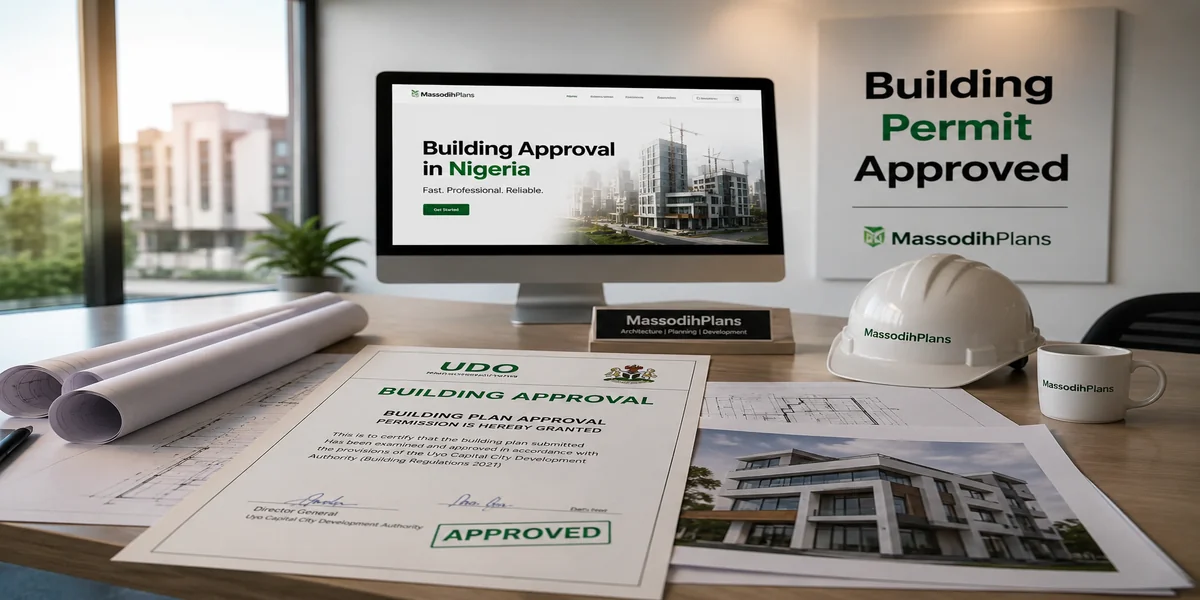
- Requires the same due diligence as an old house in a different form: instead of checking wear and age, you’re checking build quality, whether approvals were properly obtained, and whether the developer or previous owner cut corners to sell faster
Whether the house is new or old, insist on an independent structural inspection before you pay not a walkthrough with the agent, an actual qualified assessment of the foundation, roof, and structural elements. A newly built house that was rushed for sale can hide worse problems than a well-maintained older one.
Decision Five: Buy or Build
This is really the sum of everything above, so let’s put it plainly.
Buy an existing property if: you need to move in soon, you’d rather not manage a construction project alongside your regular life, or you’ve found something that already fits your family’s needs closely enough that customization isn’t worth the extra time and risk.
Build from land if: you have the patience for a twelve-to-twenty-four month process, you want a house designed specifically around how your family actually lives (not how a previous owner lived), and you’re comfortable managing or hiring someone to manage a construction project through approvals, funding stages, and site supervision.
There’s a version of this decision people rarely say out loud: building is not just a financial choice, it’s a temperament choice. Some people find the process of designing and watching a house rise from foundation to roof deeply satisfying it becomes part of the story of the home. Other people find it stressful, slow, and emotionally draining, and would genuinely rather pay a premium to walk into something finished. Neither reaction is wrong, and being honest with yourself about which type of person you are will save you from a project that makes you miserable even if it makes financial sense on paper.
The Layer Almost Nobody Covers: Matching Property Type to Your Actual Life Stage
Here’s where I want to go further than the standard comparison. The right property type isn’t really about houses versus apartments in the abstract it’s about where you are in life right now, matched honestly against what each option actually demands from you.
If you’re single or a young professional without children yet: an apartment, or a smaller bungalow on a modest plot, usually serves you better than a large family house. You don’t need the space yet, and tying up capital in a big house you’re not using efficiently is money that could be growing elsewhere while you’re still mobile and flexible.
If you’re newly married with no children yet, or expecting your first: this is genuinely the best window to build if you’re going to build, because you can plan a house around a young family from the start nursery-adjacent rooms, safer outdoor space, room to grow instead of retrofitting a home designed for a different life stage.
If you have school-age children: proximity to schools, safety of the neighbourhood, and reliable infrastructure (power, water, road access) matter more than almost anything else right now, including how impressive the house itself looks. A modest house in the right location beats a stunning one in the wrong one at this stage.
If your children are grown and about to leave, or have already left: this is often when families over-house themselves out of habit, holding onto a large family home that no longer matches their daily needs. A smaller house or a well-located apartment can free up capital and reduce the burden of maintaining space you’re not using.
If you’re building purely as an investment, not to live in: your personal taste should matter far less than what the local rental or resale market actually wants. This deserves its own section, so let’s go there next.
If You’re Buying as an Investment, Not to Live In
This changes almost every answer above, because you’re no longer optimizing for your own comfort you’re optimizing for what the next buyer or tenant wants.
Apartments typically rent faster and more consistently in urban, mobile-population areas young professionals, and people not ready to commit to a full house, drive apartment demand
Standalone houses hold value well in family-oriented, more settled neighbourhoods and tend to attract longer-term tenants, but sit vacant longer between tenants if the location isn’t right
Land alone, held without building, is the slowest-moving but often highest-appreciating asset if you can verify title cleanly and you’re patient enough to hold it for years the trade-off is zero rental income while you wait
Location discipline matters more than property type for investment purposes a mediocre house in a rapidly developing area will usually outperform a beautiful house in a stagnant one over a ten-year horizon
Never buy an investment property based on how much you personally like it. Research actual rental demand, vacancy rates, and resale activity in that specific neighbourhood first the property that makes financial sense as an investment and the property you’d choose to live in yourself are often two completely different answers, and confusing them is one of the most common ways people underperform on property investment.
The Real Cost-of-Ownership Comparison Nobody Runs
Everyone compares purchase price. Almost nobody compares total cost of ownership over time, and this is often where the “cheaper” option quietly becomes the more expensive one.
Apartments usually carry ongoing service charges for shared security, generator fuel, and common area maintenance genuinely useful, but a real recurring cost that a standalone house owner doesn’t pay in the same form
Standalone houses put the full weight of security, generator/inverter running cost, water supply (borehole maintenance or water purchase), and structural upkeep entirely on you, with no shared cost to soften it
Land held undeveloped has the lowest ongoing cost by far, but zero income and its own risk encroachment, unauthorized fencing by others, or land grabbing on plots that sit visibly idle and unmonitored for years
Older houses may need earlier investment in re-wiring, re-roofing, or plumbing replacement even if the purchase price looked like a bargain, while newer houses can hide the same problems behind fresh finishing if construction quality was poor
The property with the lowest sticker price is not automatically the cheapest one to actually own for the next ten years. Run this comparison honestly before you decide, not after you’ve already committed.
A Simple Way to Actually Decide: Answer These Six Questions Honestly
I want to leave you with something more useful than another comparison chart. Sit down alone, without an agent or a spouse pulling you toward their preference yet and answer these six questions honestly:
- Do I need this property to live in immediately, or can I wait twelve to twenty-four months?
- Do I want control over the design, or would I rather walk into something finished?
- What does my family actually look like in five years, not just today?
- How much of my own time and emotional energy do I genuinely have for managing a construction project, if building is on the table?
- Am I buying this to live in, or to earn from and have I been honest with myself about which one it actually is?
- Can I verify, with real documentation and an independent legal search, that whatever I’m about to buy is genuinely mine to buy?
Your honest answers to these six questions will point you toward house or apartment, land or built house, bungalow or duplex, new or old, buy or build far more reliably than any generic pros-and-cons list, because they’re built around your actual life instead of a stranger’s.
So, What Type of Property Should You Buy?
If I had to compress this entire guide into one piece of advice, it’s this: the “best” property to buy is never a category house, apartment, bungalow, duplex it’s the specific one that matches your life stage, your patience for process versus your need for speed, your appetite for control versus convenience, and your honest answer about whether you’re buying to live in or to earn from. Two people with identical budgets can make completely different, equally correct choices once you strip away the trend-chasing and look at what their actual life requires.
Frequently Asked Questions
Is it better to buy land or a house in Nigeria right now?
Neither is universally better land gives you design control and often a lower entry cost but carries construction and title-verification risk; a built house gives you certainty and speed but locks you into someone else’s design decisions. Your patience for process and your timeline for moving in should decide this, not price alone.
Is a bungalow cheaper to build than a duplex?
Generally yes, per square metre of usable space, because a duplex adds staircase construction, more structural reinforcement, and often higher foundation demands. But a duplex uses land more efficiently, which can matter more on smaller or expensive plots.
Should I buy an old house or build a new one?
An old house offers speed and often a more established neighbourhood, but needs careful inspection of wiring, plumbing, and roofing age. A new house offers modern standards but demands the same due diligence in a different form verifying that it was actually well-built and properly approved, not just freshly finished.
Is an apartment a good investment compared to a house in Nigeria?
Apartments tend to rent faster in mobile, urban-professional areas, while standalone houses hold value well and attract longer-term tenants in settled, family-oriented neighbourhoods. The right answer depends entirely on the specific neighbourhood’s actual rental demand, not a general rule about apartments versus houses.
How do I avoid buying land with title problems in Nigeria?
Confirm a genuine Certificate of Occupancy or a clear, independently verifiable root of title, and conduct an official search at the relevant State Lands Registry before paying anything never rely solely on the seller’s own documents, receipts, or a community head’s word.
Once You Know What to Buy, You Still Need to Know What to Build
If you’ve worked through all of this and landed on “I’m building a house,” you now have a second, equally real question waiting: what house plan actually fits the property type, plot size, and life stage you just figured out. That’s a different problem from the one this guide solved, and it deserves its own honest answer rather than picking a plan because it looked good online.
That’s exactly what our Plans Library is built around plans organized by plot size, bungalow or duplex, and family stage, not just by how they photograph. If you want to understand how to actually evaluate a floor plan before committing to one, Plan School walks through that in plain language. For direct, one-on-one help matching a plan (or a custom design) to your specific plot and budget, our Services page outlines how we work with clients from this exact decision point through to construction. And if you’re still exploring, our Homepage has the fuller range of guides for wherever you are in this process.
- Can’t Find a Property Within Your Budget? Here’s the Part Nobody’s Telling You
- I Don’t Know Where to Find the Right Property in Nigeria | Buyer Guide
- I Need a Real Estate Agent to Help Me Buy a Property in Nigeria Safely
- Property for Sale in Nigeria: The Buyer’s Guide Nobody Publishes Today
- How Do I Get Natural Ventilation? Best Ways to Improve Airflow at Home
Author
Massodih Okon is a Nigerian built-environment professional with academic and professional experience in urban and regional planning, geography, architectural design, Landscape Design, GIS and land development.
He holds a Master’s degree in Urban and Regional Planning from the University of Uyo and a first degree in Geography and Regional Planning.
Through MassodihPlans, he publishes practical guides on Nigerian house plans, building design, physical planning, site planning, development approval and residential construction. Read the full author profile →